What We Know About the Explosion on a Russian Ship in Libya’s Benghazi Port
USD 22,26
Popular
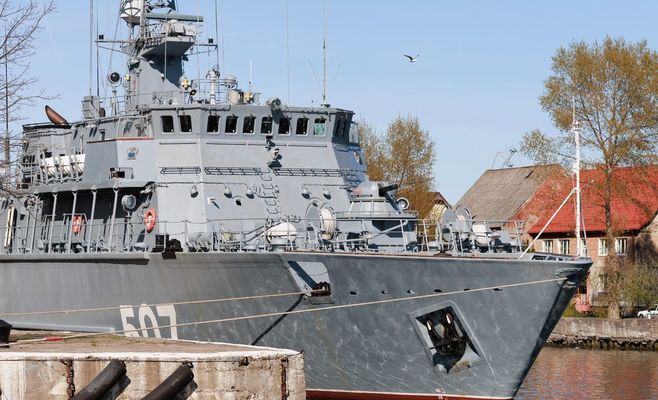
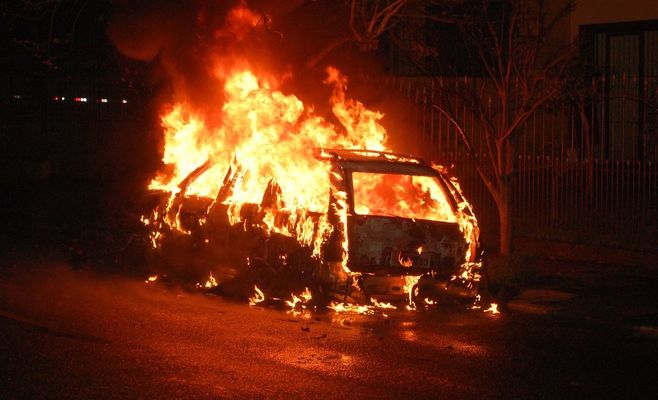
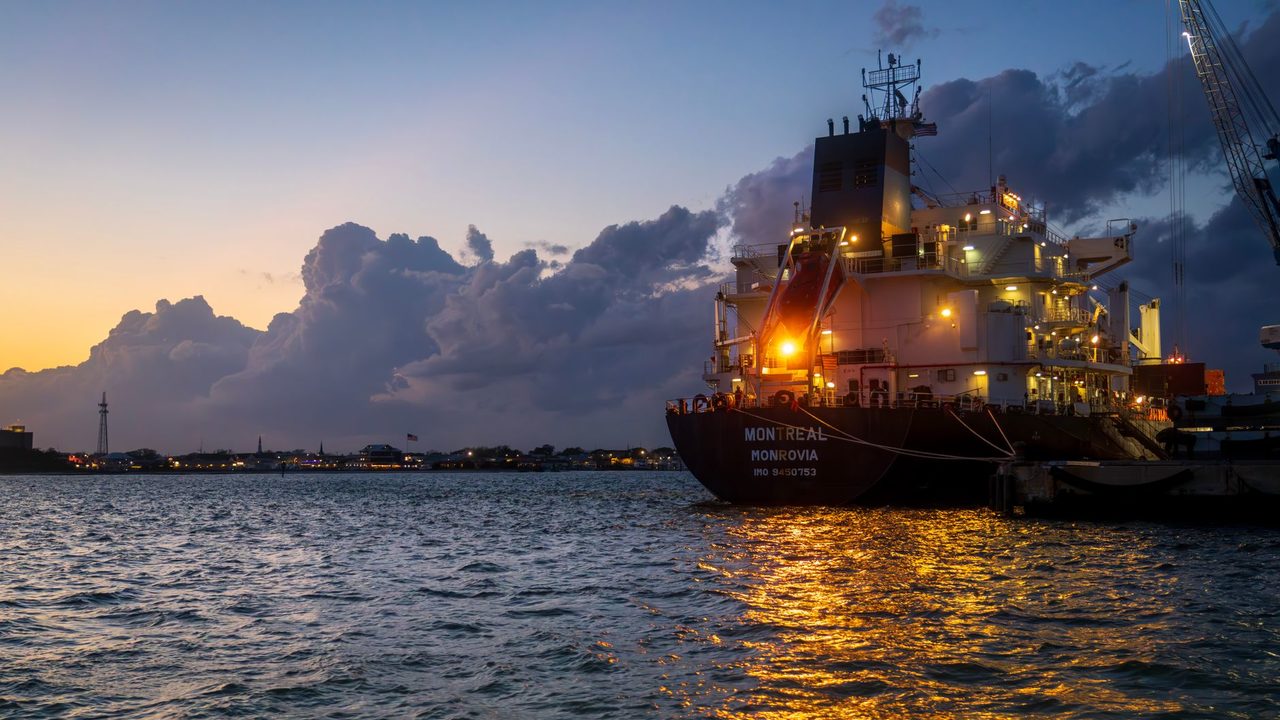
A Russian ship docked at the naval base port in Benghazi, Libya, was hit by an explosion at dawn on Sunday, and officials in eastern Libya say a drone attack is the likely cause. No one was reported hurt, and Moscow has not commented, according to the BBC.
What happened in Benghazi?
Libyan state media, citing the eastern government, reported that the blast happened at dawn on Sunday. The vessel had stopped for fuel and supplies while on its way back to Russia. The report added that the site was secured and that there were no casualties.
The eastern-based Government of National Stability, or GNS, said the suspected attack is under investigation. It said local authorities are working with their Russian counterparts to find the source of the attack and who is responsible.
What does the evidence show?
BBC Verify, the broadcaster’s fact-checking team, reviewed satellite imagery from Planet Labs PBC. One image taken at 0547 GMT shows a boat on fire at the Benghazi port. A second image, captured several hours later, appears to show the same vessel partly submerged.
Videos posted on social media and geolocated by BBC Verify show the ship engulfed in flames and smoke while it was still dark. The attack itself has not been independently confirmed; the drone explanation comes from the eastern government.
What did Libya’s two governments say?
Libya has two rival administrations, a split that dates to the violence and instability that followed the overthrow of Muammar Gaddafi in 2011, the BBC noted.
The GNS said the Russian ship was using the port under an existing maritime agreement. It condemned the attack on a vessel inside a Libyan port, calling it a violation of maritime safety and an attack on Libyan sovereignty. The government added that Libya is not a party to the Russia-Ukraine war or to any other conflict beyond its borders.
Separately, the internationally recognized Government of National Unity in Tripoli warned against hosting foreign forces and letting them use local facilities. In a statement published by state media, it said such activity raises “serious fears” about the risks of drawing ports and civilian sites into external conflicts.
How far is Benghazi from Russia?
Benghazi is more than 2,000 km (1,243 miles) from Moscow, the BBC reported. That distance puts the incident far from the front lines of the war in Ukraine, which Libya’s eastern government says it has no part in.
Why does it matter?
The incident pulls a distant port into a conflict that Libyan officials say they want to stay out of. Both of the country’s governments have now spoken publicly, and each has framed the episode as a risk to Libya’s own safety and sovereignty. The Tripoli government’s warning points to concern among Libyans about what hosting foreign forces could bring to civilian areas.
For the Russian ship, the stop at Benghazi was a refuelling and resupply call on the way home, and the images suggest it was badly damaged. Moscow has not yet said anything about what happened or about who may be responsible.
What happens next?
The GNS says the incident is under investigation and that its authorities are coordinating with Russian counterparts. No findings have been released, and no group has been named as responsible. Reports on the ship’s condition and the cause of the blast may change as officials in Libya and Russia respond.
Around Prague, based on reporting by BBC News