Clocks Fall Back: What the End of Daylight Saving Time Means for You
USD 21,81
Popular
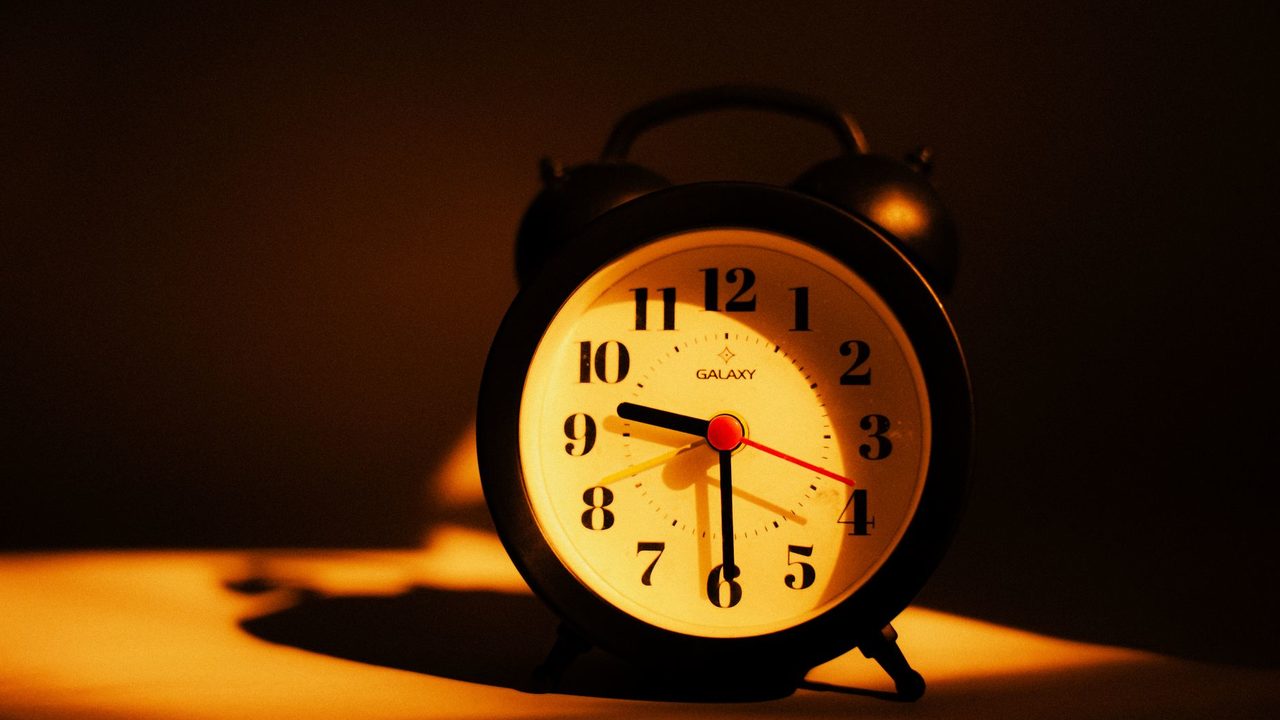
Most Americans gained an extra hour on Sunday, Nov. 1, as daylight saving time ended for 2026 and clocks moved back at 2 a.m. local time, CBS News reported. The change means earlier sunrises and earlier sunsets until spring.
The shift also revives a familiar question in Washington: whether the country should stop changing its clocks twice a year. A bill that would make daylight saving time permanent has a limited window left to pass, according to CBS News.
What it means for your day
For most of the country, an hour moves from the evening back to the morning. CBS News used Boston as an example. On Saturday, before the change, the sun rose at 7:16 a.m. and set at 5:39 p.m., according to the National Weather Service. On Sunday, on standard time, sunrise was expected at 6:17 a.m. and sunset at 4:37 p.m.
Phones set to update automatically should show the correct time on their own, CBS News reported. Apple, Google and Samsung have support pages with instructions for changing device clocks by hand, and some carriers have posted steps for checking settings on other phones.
The time change fell on the night after Halloween this year. CBS News noted that it gave late-night partygoers an extra hour, but that it may disrupt the sleep schedules of young children until they adjust.
Who does not change their clocks
Daylight saving time is observed in nearly every state. Arizona is the notable exception, although the Navajo Nation, which lies partly in Arizona, observes the change so it stays on the same time as its communities in neighboring New Mexico and Utah, according to the tribe, CBS News reported. American Samoa, Guam, the Northern Mariana Islands, Puerto Rico and the U.S. Virgin Islands also do not observe it.
Why the U.S. changes clocks at all
Daylight saving time is the stretch from March to early November when most of the country runs one hour ahead of standard time. In effect, it moves an hour of daylight from the morning to the evening during the long days of spring and summer.
The Congressional Research Service says the U.S. first adopted it in 1918, during World War I, to conserve fuel. Congress later repealed it but let states keep it if they chose. Congress brought back year-round daylight saving time during World War II and again during the 1970s energy crisis, each time hoping to cut energy use, but those experiments did not last. Congress did not set a uniform start and end for the time change until 1966, CBS News reported.
The current schedule dates to 2007. A 2005 law moved the end of daylight saving time to the first Sunday of November from the last Sunday of October, and it also moved the start earlier in the year.
What happens next
Daylight saving time is set to begin again on Sunday, March 14, 2027, at 2 a.m. local time. The date falls late because the change takes place on the second Sunday of March, and the month starts on a Monday next year, CBS News reported.
Meanwhile, legislation to make daylight saving time last all year cleared a major hurdle in Congress earlier this year, according to CBS News. The bill, called the Sunshine Protection Act, would also let states opt out of daylight saving time altogether before the law takes effect.
President Trump supports the measure. CBS News reported that he publicly criticized Republican Sen. Tom Cotton of Arkansas over the issue. Cotton responded that Congress has tried permanent daylight saving time before and went back to changing clocks after Americans dealt with “absurdly late sunrises in the winter.”
What's at stake for the bill
The clock is running on the legislation. The bill and other measures awaiting approval are set to expire in early January, when the new class of lawmakers elected in Tuesday’s election takes office, CBS News reported. If the bill dies, the effort would have to start over, with approval needed from both the House and the Senate before it could reach the president.
Until then, the practical picture is unchanged. Americans who observe the time change will keep standard time through the winter, with brighter mornings and darker evenings, until clocks move forward again in March.
Around Prague, based on reporting by CBS News