Houston’s Space Center Turns 65: From Gemini to 298 Station Visitors
USD 22,26
Popular
NASA’s Johnson Space Center in Houston is marking 65 years of human spaceflight. The agency says the center has shaped American crewed missions from the Gemini flights through the Apollo Moon landings and the space shuttle era to the International Space Station, and that its teams are now preparing crews and systems for a return to the lunar surface.
The center opened as the Manned Spacecraft Center on Nov. 1, 1961. According to NASA, it is home to the agency’s Orion and Moon Base programs, and its teams still support station operations, astronaut training, spacecraft development, mission operations and human health research.
The numbers behind 65 years in Houston
- 65 years: the time since the center officially opened on Nov. 1, 1961, when NASA had flown two suborbital Mercury missions.
- Eight Gemini missions: after Mission Control became NASA’s primary flight control center in June 1965 with Gemini IV, which included the first American spacewalk, Houston oversaw the remaining eight Gemini flights.
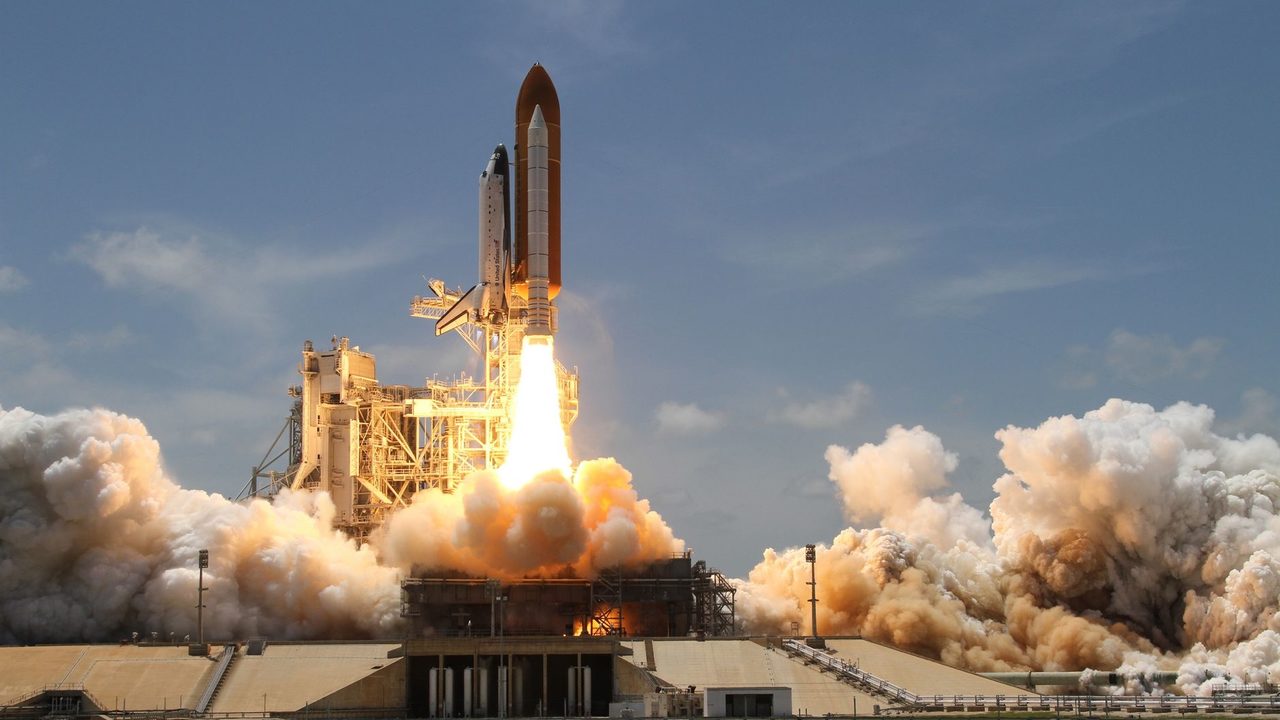
- 135 shuttle missions: the program flew 355 individuals from 16 nations between the April 1981 launch of Columbia and the final mission, STS-135, in July 2011.
- More than 26 years: the span of continuous human presence aboard the International Space Station. The first expedition crew arrived on Nov. 2, 2000.
- 298 visitors from 26 countries: the number of people who have been to the station, where they have carried out more than 4,000 science experiments and educational activities.
How the work in Houston evolved
NASA says most Mercury activity stayed at Cape Canaveral in Florida, while Project Gemini moved into temporary leased facilities across Houston as the new Clear Lake campus was built. After the Apollo 1 fire in January 1967, managers, engineers and astronauts at the center applied lessons learned to make the spacecraft safer. Crewed flights resumed in October 1968.
Apollo 8 flew around the Moon in December 1968, a plan NASA says managers in Houston devised. Seven months later, Apollo 11 astronauts Neil Armstrong and Edwin “Buzz” Aldrin landed on the lunar surface, and their first transmission to Earth began with the word “Houston.” Five more landings completed the Apollo program in December 1972.
After Apollo, scientists at the center’s Lunar Receiving Laboratory carried out the first analyses of lunar samples and prepared them for researchers worldwide. NASA says the building was demolished in March 2024 and that a Lunar Receiving Park was dedicated in 2026 to honor its history. The Apollo collection is now analyzed and curated at the Lunar Sample Laboratory Facility by the center’s astromaterials division.
When Skylab, America’s first space station, was damaged during its May 1973 launch, NASA says engineers in Houston designed and built a sun shield in less than 10 days and worked out procedures to free a jammed solar array. The three Skylab crews stayed in orbit for 28, 59 and 84 days. In July 1975, American astronauts and Soviet cosmonauts met in space for the first time during the Apollo-Soyuz Test Project, after joint training in Houston and Moscow.
The space shuttle received formal approval in 1972. NASA says Johnson put training and simulation facilities in place during the 1970s that astronauts used for the life of the program, and that the program recovered from the losses of the Challenger and Columbia crews with a renewed emphasis on crew safety.
The space station project was first approved by President Ronald Reagan in 1984 and took its current form as the International Space Station in 1993. The first element launched in November 1998, followed a month later by the first U.S. element, the Unity module. NASA says overall management of the program rests at Johnson.
Why it matters for what comes next
The anniversary is also a look ahead. NASA says Johnson teams are working on returning astronauts to the Moon and building the capabilities needed for a long-term human presence there. The agency points to the lessons of earlier programs, from repairing a damaged Skylab to docking spacecraft in orbit, as groundwork for that effort.
For the public, the station research and astronaut training described by NASA are part of the same chain of work that began in leased Houston buildings in 1961. NASA did not give dates for upcoming lunar missions in this announcement.
Around Prague, based on reporting by NASA