Maryland Gun Carry Limits Stay in Place After Supreme Court Turns Away Challenge
USD 22,18
Popular
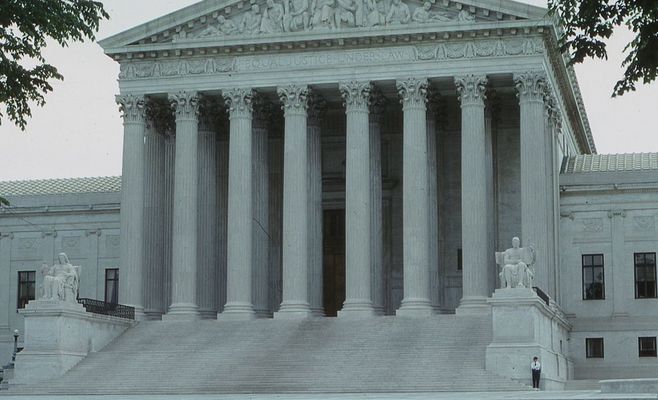
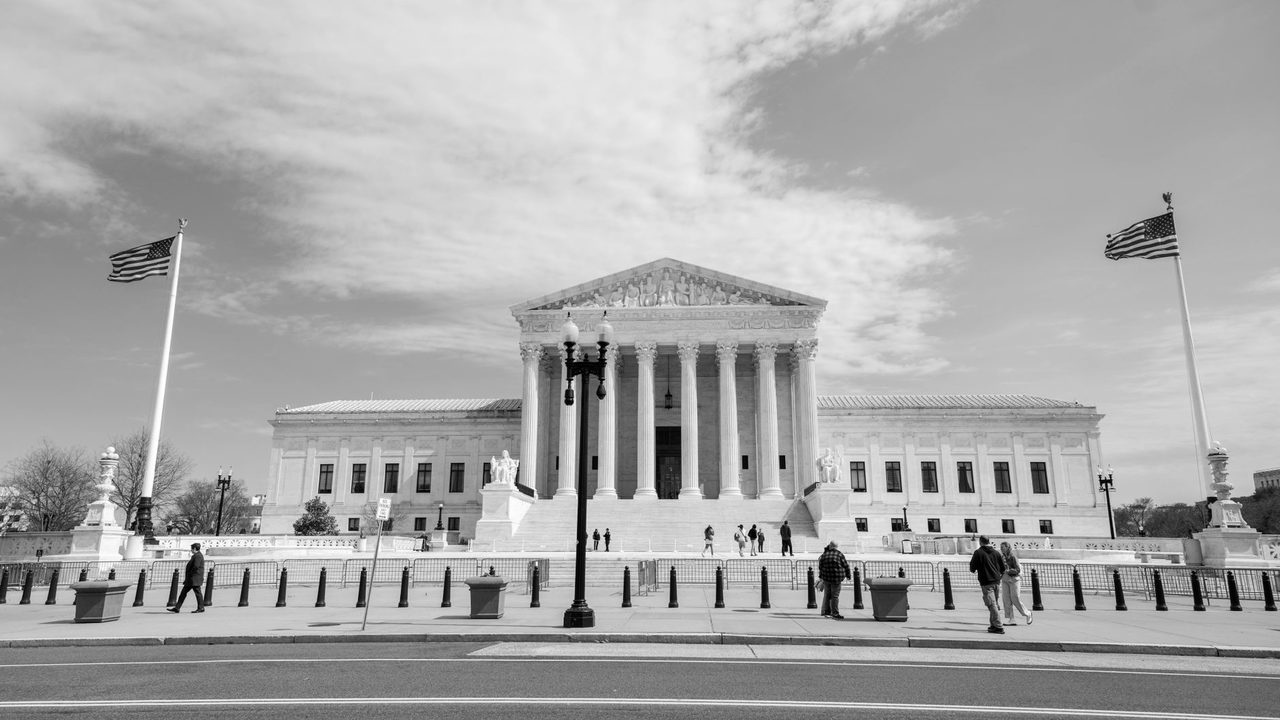
The Supreme Court on Monday declined to hear a challenge to Maryland laws that bar firearms in sensitive places such as schools, parks and government buildings. The decision leaves in place a lower court ruling that upheld the restrictions, CBS News reported.
The justices turned the case away without comment, according to ABC News. Justice Clarence Thomas wrote separately that he is skeptical the provisions are lawful, but said the breadth of the challenge complicated review. He signaled interest in a future, “more narrowly focused” case, NBC News reported.
What Maryland's laws cover and how the courts ruled
CBS News reported that Maryland bars guns on school property, at public demonstrations and on public transit, as well as in parks, museums and casinos. Further limits enacted in 2023 extend to daycare and medical facilities, government buildings and other places where the public gathers for entertainment or similar activities.
On the day those limits were signed, two sets of plaintiffs sued, targeting 10 categories of places. A federal district court declined to block the rules for museums, health care facilities, public transit, state parks, entertainment venues, school grounds and government buildings. It sided with the plaintiffs on public demonstrations and places that sell alcohol for on-site consumption, CBS News said.
The 4th Circuit then ruled that all of the challenged restrictions are consistent with the Second Amendment. Under the Supreme Court's 2022 test, the government must show a gun restriction fits the nation's historical tradition of firearms regulation.
What the challengers argue
The plaintiffs are individual Maryland residents and four gun rights groups, according to NBC News. Their petition, as quoted by CBS News, said the Supreme Court needs to step in to help lower courts define the historical limits on carrying guns in public as more states adopt location-specific bans.
NBC News reported that gun rights advocates accept there is a long history of banning firearms in places such as polling places, courthouses and legislatures. They argue, however, that states like Maryland have gone too far by extending bans to modern public spaces such as airports and entertainment districts. Their lawyers said in court papers that Maryland officials are “openly hostile” to gun rights and that the rules severely limit carrying guns in public at all.
What Maryland argues
Maryland Attorney General Anthony Brown, a Democrat, urged the court not to take the case. NBC News reported he told the justices there are broad areas of shared consensus about which locations count as sensitive.
In his filing, as described by CBS News, Brown said the state's laws match a long American tradition of barring guns in certain places, including those that are confined and crowded. He noted that the court has endorsed longstanding bans in schools, legislative assemblies, polling places and courthouses while saying that list was not exhaustive. The 4th Circuit also pointed to the Supreme Court's 2008 and 2010 decisions, which said bans in government buildings and on school grounds are allowed.
What this means for gun owners and residents
For people in Maryland, the practical result is that nothing changes: the restrictions remain in force, including in places that sell alcohol for on-site consumption, where the district court had sided with the plaintiffs but the appeals court did not.
NBC News reported that the court, for now, passed up a chance to define exactly what a sensitive place is. Lower courts, which NBC News said have struggled to apply the 2022 test to modern settings, will keep working without further guidance on that question. NBC News listed California, New York, New Jersey and Hawaii among other states with similarly broad restrictions.
The decision does not touch a separate Maryland provision on private property open to the public. NBC News said a lower court struck down that provision, which was similar to a Hawaii law the Supreme Court invalidated in June, and it was not part of this appeal.
What comes next
ABC News reported that the refusal comes as the court prepares to hear arguments over state laws banning AR-15s and similar semiautomatic firearms, which are often called assault weapons bans. Thomas's statement leaves open the possibility that the court takes up a sensitive-places dispute in a case with a narrower focus.
The court has handed down several rulings backing Second Amendment rights, ABC News noted, while also upholding some restrictions, including, in 2024, a federal law aimed at protecting domestic violence victims.
Around Prague, based on reporting by CBS News, NBC News, ABC News