Tech Selloff Deepens as Hot Inflation Data and New Tariffs Hit Nasdaq
USD 22,33
Popular
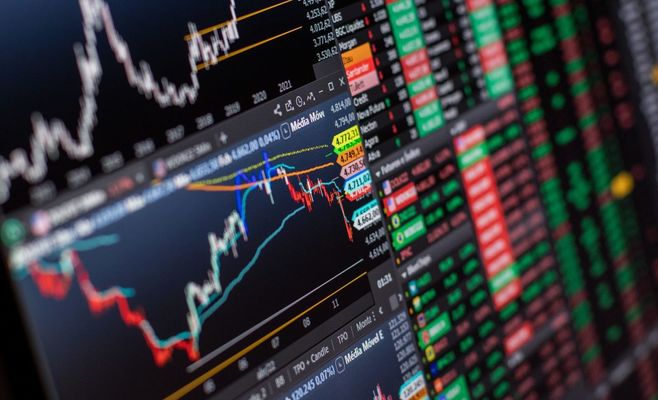
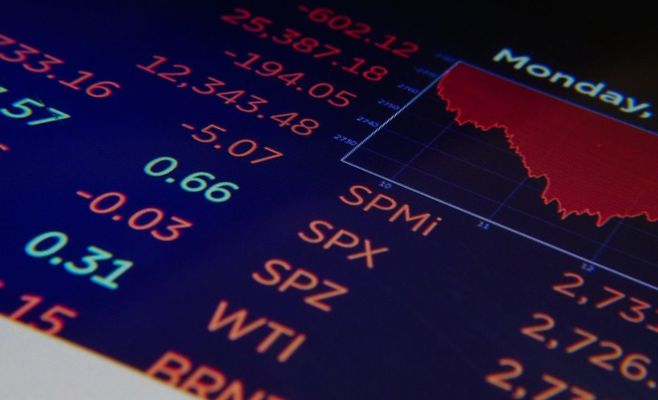
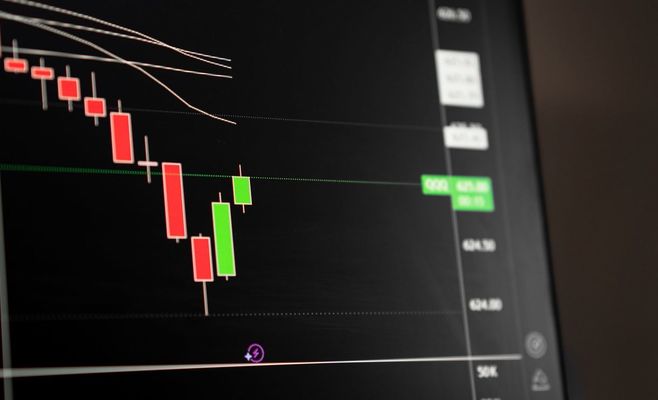
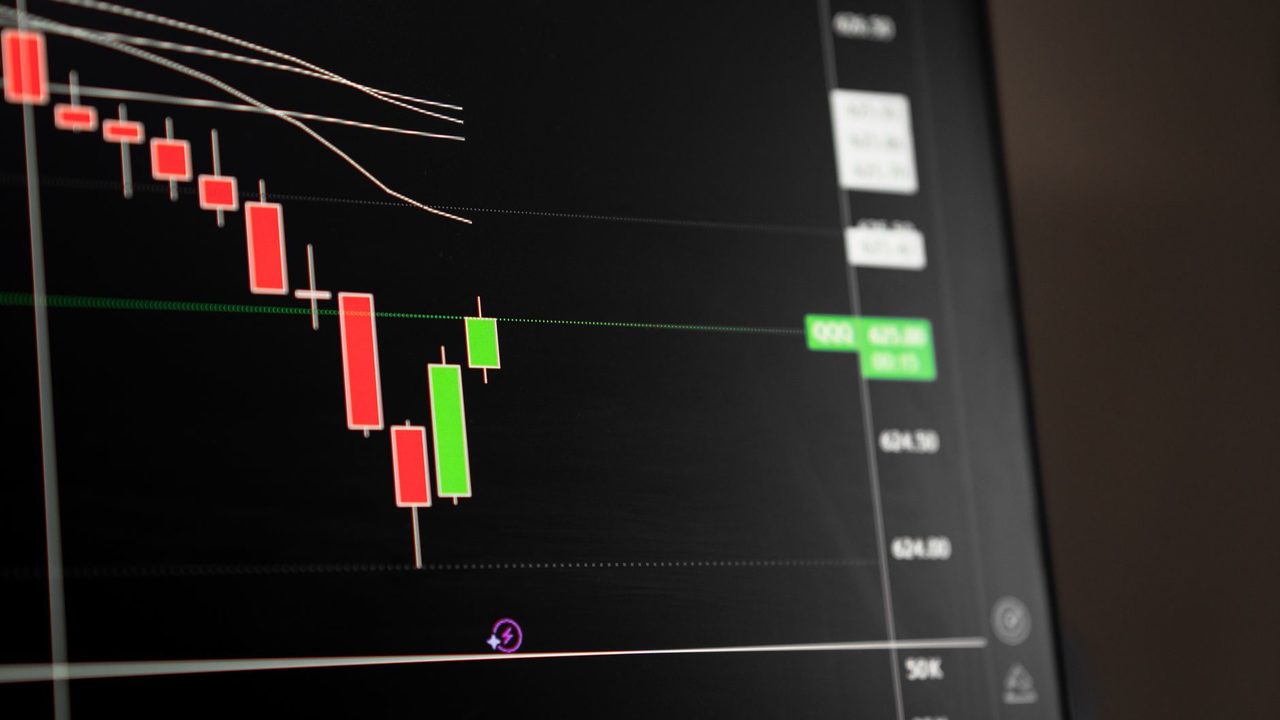
The technology selloff on Wall Street gained force on Nov. 25 after a fresh inflation reading and a new round of tariff plans gave investors more reasons to cut risk, according to the Asia Business Daily. The Nasdaq was down 932.42 points, or 3.97%, at 22,801.11 as of 10:10 a.m. in New York, while the S&P 500 had lost 2.70% to 7,006.59.
Investorideas.com described the mood as profit taking and fear, with red dominating the sector. The Direxion Daily Semiconductor Bear 3X Shares fund (SOXS), which is built to rise when chip stocks fall, climbed more than 21% to $74.36 and led the New York Stock Exchange's gainers.
What is driving the new leg down
Two developments landed on top of existing worries about whether the boom in AI spending can last. The first was inflation. The Commerce Department said the personal consumption expenditures (PCE) price index for October rose 3.8% from a year earlier and 0.3% from the previous month. Both figures matched expectations, but the annual rate was up from 3.7% in September. The core index, which leaves out food and energy, rose 3.3% over the year, slightly above expectations.
With prices still accelerating, the Asia Business Daily reported that expectations are growing for the Federal Reserve to raise its benchmark interest rate at its December meeting and again in January.
The second was trade policy. The Trump administration announced plans for additional tariffs on more than 10 major trading partners, including China and the European Union, which the outlet said added to investors' aversion to risk.
Which stocks are taking the hardest hits
AI-linked names led the decline. Asia Business Daily reported Nvidia down 7.8% and Oracle down 8.4%, while Investorideas.com put Nvidia's loss at more than 8%. Alphabet, Google's parent, was down 4.8% in the Korean outlet's count, or 4.89% at $263.04 in Investorideas.com's. The Technology Select Sector SPDR Fund (XLK) lost more than 5%.
Two company reports added to the pressure. Dell Technologies fell 7.9% even though its results beat expectations and it issued a fourth-quarter outlook.
CEO Fermi Wang said an unprecedented rise in memory prices and tight supply has caused many customers to lower their outlooks.
Why it matters for investors and savers
The day shows how several pressures are now hitting at once: slowing confidence in AI profits, inflation that is rising rather than easing, and tariffs that could raise costs further. Because the biggest technology companies make up a large share of major indexes and many retirement and brokerage accounts hold them, a drop of this size in the Nasdaq can show up quickly in account balances.
The inflation data also bears on borrowing costs. If the Fed does raise rates in December and January, as the outlet reported markets increasingly expect, loans and credit card balances tied to the benchmark rate would generally become more expensive. That is a description of how rates work, not a forecast of what the Fed will decide.
A note of caution from Deutsche Bank
Jim Reid, a strategist at Deutsche Bank, said in a note to investors that risk aversion had returned to the market over the past 24 hours. He said, however, that unlike the indiscriminate selling late last week, money was beginning to rotate back into defensive sectors such as health care and consumer staples.
Asia Business Daily noted that volatility in New York has risen sharply this month and that investors are growing more skeptical about the sustainability and profitability of large-scale AI infrastructure spending. The figures above reflect trading in the morning of Nov. 25 and may change by the close.
Earlier on Around Prague: Why Is Google Stock Down Today? Alphabet Falls 5% to $264.58 as Tech Selloff Drags Nasdaq 4%
Read next
Nasdaq Falls 5.5%, Dow Drops 1,833 Points as AI Stocks Sink After Midterms
Alphabet's After-Hours Drop Pulls Asian Shares and Nasdaq Futures Lower
What the Nasdaq's AI Sell-Off Means for Global Markets and Investors
Around Prague, based on reporting by Ticker News, Investorideas.com, 아시아경제