Remote heat meters in Czech apartment buildings from 1 January 2027
USD 22,33
Popular
By 1 January 2027, all heat meters and indicators in Czech apartment buildings with central heating or shared hot water must be readable remotely, without entering the flats. A building owner who fails to comply faces a fine of up to 200,000 crowns. This is set out in the Energy Act.
Who and what is affected
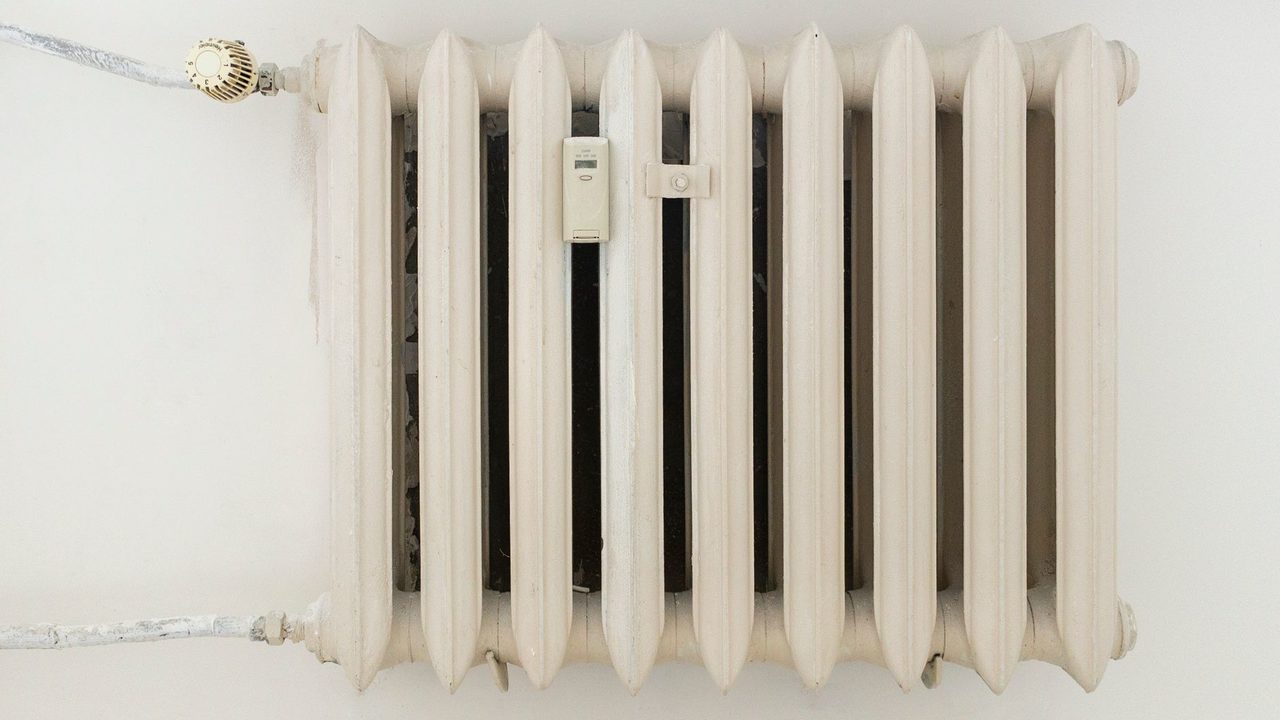
The obligation covers heat measurement for heating (radiator indicators or calorimeters) and hot water meters. Cold water meters can be added to the shared system, but remote reading of them does not follow directly from this requirement, says Martin Hanák, head of the methodology department at the Union of Czech and Moravian Housing Cooperatives.
The deadline does not apply to buildings with so-called walk-by reading, where a technician collects data by radio from the corridor or outside the building. Even so, the annual visits to flats and the complicated scheduling of dates will disappear.
How many buildings are not ready
Some buildings already meet the requirement, especially large and mid-sized housing cooperatives. But some still have no equipment, and in others the system so far allows only walk-by reading and must be upgraded. Hanák is sure that hundreds or thousands of buildings remain with old devices where remote reading is not possible at all.
The union has no exact national figures. When the law was debated in 2022, the figures mentioned were roughly 1.17 million flats and about seven million meters and indicators. According to an industry estimate at the time, at most half of the devices allowed remote reading without entering flats, and in cooperatives about 30–40 percent of flats were equipped for walk-by reading. But these figures are four years old and may not reflect the situation today.
Hanák estimates that some form of replacement will have to be carried out this year in tens or low hundreds of thousands of flats. Full replacement is not always needed: in some places it is enough to add central data collection, switch on regular data transmission or connect a portal with monthly information. Josef Haumer, head of the housing services department at Enbra, notes that in many buildings the problem is not the meters inside the flats, which are usually radio-controlled already, but the collection infrastructure and the monthly data processing.
How much it costs
Replacing radiator indicators and hot water meters will cost roughly 7–8 thousand crowns per flat. Equipment for collecting and transmitting data may cost another 6–10 thousand crowns per building, and more in large or technically complex buildings. Running the web interface through which residents receive their consumption data costs around 100–150 crowns per flat per year.
For example, installing and launching a new system in a building with 24 flats may cost around 200 thousand crowns, the same as the fine. The fine applies to both individuals and legal entities, including owners' associations.
Why you should not wait until December
There should be enough equipment on the market, but there may be a shortage of installers, especially if owners' associations and cooperatives leave the replacement to the last moment. Those who waited until December will most likely have to deal with fully booked technicians. Hanák advises building managers who have not yet chosen a solution and signed a contract not to delay. Where old meters also need replacing, technicians will have to enter every flat, and owners must open them at the agreed times.
Remote reading does not by itself guarantee energy savings. Its main benefit is more accurate monitoring of consumption, quick detection of faults and unusual usage, and the chance to prevent disputes between residents over payments.
What this means for foreigners
This affects everyone who lives in an apartment building with central heating or shared hot water, including foreigners. Meters and indicators must be readable remotely from 1 January 2027, otherwise the building owner faces a fine of up to 200,000 crowns.
Around Prague, based on reporting by seznamzpravy.cz