Trump Says Russia Will Release Diesel as Prices Hover Near Records
USD 21,75
Popular
President Donald Trump said Friday that Russian President Vladimir Putin has agreed to release millions of tons of diesel onto the global market, a move meant to ease fuel prices that have climbed sharply since the Iran war began in February. The Treasury Department simultaneously eased sanctions on Russian diesel, according to NBC News, CBS News and the BBC.
Many details are unconfirmed. Putin said Russia is ready to supply oil and petroleum products to the U.S. and global markets, but he gave no amounts or timing, NBC reported. Ukrainian President Volodymyr Zelenskyy sharply criticized the arrangement.
The key numbers in the diesel announcement
- 300,000 tons: the amount Trump said Putin agreed to release immediately, according to his Truth Social post as reported by CBS News and the BBC.
- 500,000 tons: the amount Trump said would follow in November. CBS reported that 1 million tons would come in December; the BBC described it only as another million after that.
- 3,000,000 tons: the further amount Trump said Russia would deliver "within a short period of time," depending on the condition of its refineries, many of which Ukraine has attacked.
- April 7, 2027: when the temporary Treasury license expires. NBC reported that it authorizes the sale, delivery and importation of Russian-origin diesel, including into the United States, until 12:01 a.m. eastern daylight time that day.
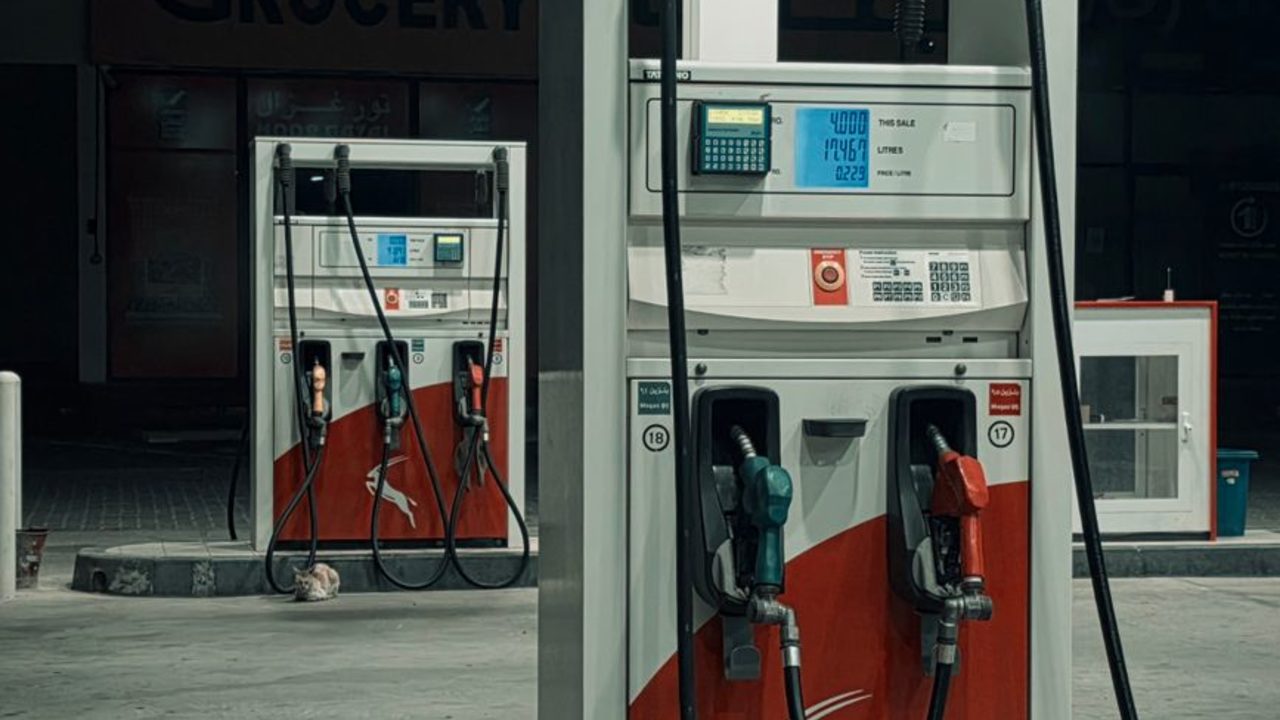
- $6.28 a gallon: the average U.S. diesel price, according to AAA. CBS reported that figure is up from $5.94 a month ago and $3.68 a year ago.
- $6.53 a gallon: the record, set on Sept. 22. Diesel had never topped $6 before shortly ahead of Labor Day weekend, CBS reported.
What is behind the price surge
NBC reported that diesel has risen almost 70% since the Iran war started. Diesel futures fell 4% Friday after the announcement but remain up more than 110% since the start of the year. Brent crude traded around $104 per barrel, down 0.3% on the day, according to NBC. The BBC put Brent above $103 and noted it was at about $73 before the war.
Russia's own supply is also constrained. Ukrainian drone strikes on Russian refineries have caused two waves of severe fuel shortages there, the BBC reported, and the International Energy Agency estimates Russian diesel production has fallen by nearly 30%. The Kremlin imposed a diesel export ban in July, since extended through the end of October, according to NBC. Russian deputy prime minister Alexander Novak told the state news agency TASS that Russia would immediately begin lifting the ban, NBC reported.
Why it matters for consumers and businesses
Diesel is widely used in trucking, agriculture and construction, so its price feeds into the cost of nearly every type of good, including groceries, CBS reported. Trump said lower prices for Americans, especially farmers, ranchers and truckers, are his top priority.
Whether the deal will lower prices is unclear. The BBC said the effect on fuel prices remains uncertain, and NBC noted that a series of 30-day sanctions waivers for Russian oil this spring largely failed to change the path of oil and gas prices, which kept rising. The BBC reported that it has asked the White House what Russia will receive in return and that how the fuel will reach the market is not clear.
The administration has pursued other steps. Earlier this week Trump signed an executive order allowing red-dyed diesel on highways, CBS reported. That fuel is exempt from the 24.4 cents a gallon federal tax that applies to regular diesel. The BBC added that Trump said he was "thinking about" suspending the federal gasoline tax and had pressed G7 nations to release 100 million barrels of oil and diesel from stockpiles.
Zelenskyy's objections and the policy reversal
Zelenskyy called the sanctions easing "an obvious weakness," according to NBC, and argued it would let Russia wage war for longer. He wrote that allowing Russia to sell petroleum products is an investment in a war that should end, according to CBS and the BBC. He also defended Ukraine's refinery strikes as a response to Russia's attacks on Ukrainian energy infrastructure. Kirill Dmitriev, an envoy for Putin, welcomed the deal on social media, the BBC reported.
The move departs from earlier policy. CBS noted that Trump imposed steep tariffs last month on the largest buyers of Russian energy, and the BBC reported that Congress recently passed, and Trump signed, legislation authorizing new sanctions and tariffs on countries that import Russian oil and gas. The BBC said other Russian assets, such as those in American banks, remain frozen.
What happens next
Ukrainian negotiators left for the United States on Friday for a new round of talks on ending the war, NBC reported. Special envoy Steve Witkoff and Jared Kushner were expected to lead the U.S. side, but it was unclear late Friday whether the talks would proceed as planned after the sanctions announcement.