What Trump’s Pledge Not to Attack Iran Before the Midterms Means
USD 21,81
Popular
President Donald Trump said Thursday that the United States will not attack Iran before the Nov. 3 midterm elections, pausing a war that has dragged on for almost eight months, according to The Guardian. Axios reported that Trump had spent several days weighing whether to resume major combat operations before the vote.
The pledge covers only the period up to the election. Trump's post did not say what the U.S. would do afterward, The Guardian noted.
What exactly did Trump say?
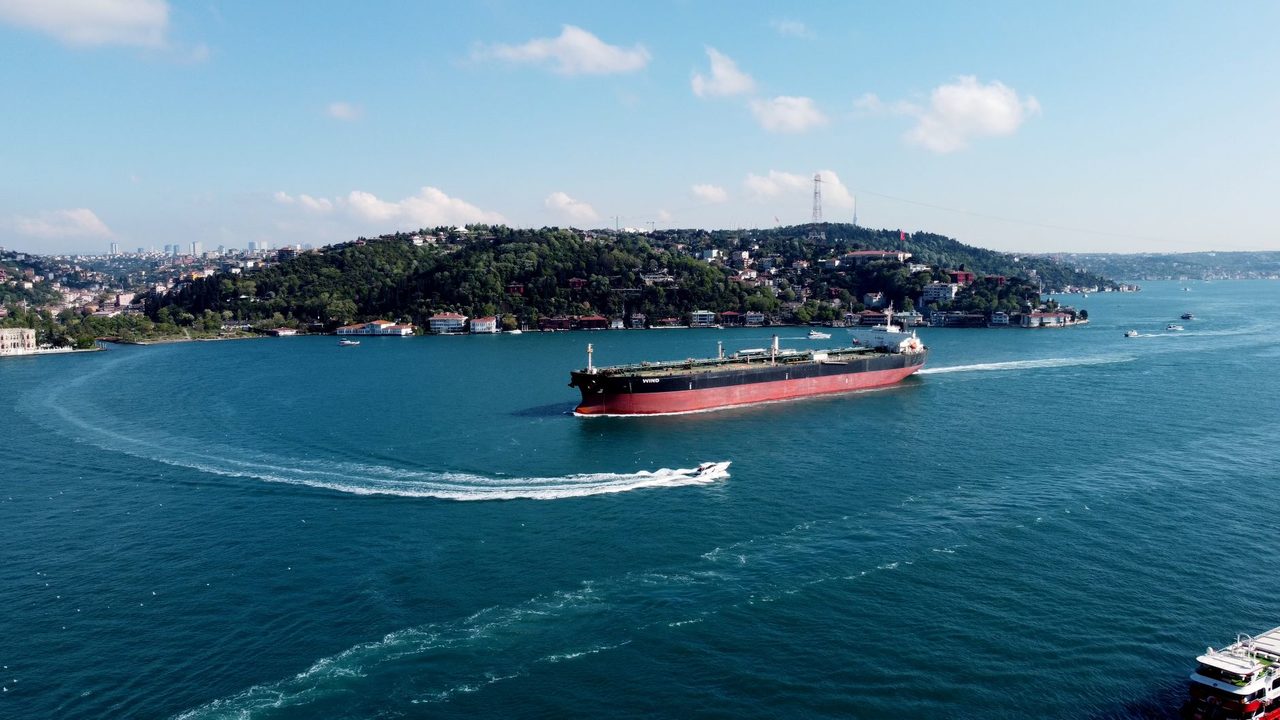
In a Truth Social post, Trump said Washington was holding productive discussions with Iran, which he described as in very bad condition economically and militarily. He said the blockade would stay in full force and that oil was flowing through the strait of Hormuz in record volumes. He claimed 22 million barrels moved through in one night, with none going to or from Iran. The Guardian said that figure could not be independently verified.
He wrote that the U.S. would not attack Iran at any time before the midterms, and repeated that Iran will not have a nuclear weapon.
Why was an attack under consideration?
Axios reported that the Pentagon told U.S. Central Command several days ago to finish preparations for resuming major combat operations. According to Axios, sources said such operations would likely include large-scale strikes on Iranian energy facilities, infrastructure and nuclear targets.
Axios also reported that on Tuesday, the Israel Defense Forces chief of staff, Lt. Gen. Eyal Zamir, was briefed by senior U.S. officials on possible action within three weeks. Sources said he warned that this could lead to postponing Israel's elections, scheduled for Oct. 27, because Iran would likely fire missiles at Israel. The IDF declined to comment.
How did the war get here?
The Guardian said the U.S. and Israel struck Iran in late February, and the strait of Hormuz, which carried roughly a fifth of the world's oil and liquefied natural gas before the war, was nearly closed. The U.S. imposed a blockade in April after talks in Islamabad collapsed and reinstated it in July after a short-lived June deal. Fighting flared again in early September, when U.S. forces struck rocket launchers on Iran's Larak Island and Tehran fired missiles at U.S. bases in Jordan and the United Arab Emirates.
Why does it matter for voters and prices?
Axios said resuming the war in the next three to four weeks could influence the midterms, partly because oil prices might rise. The Guardian reported that Trump conceded in September that U.S. oil prices were unlikely to fall before polling day.
Public opinion is a factor too. A late-September Reuters/Ipsos survey found only about a third of Americans approved of the strikes, and more than four in five expected a long conflict. Trump's approval among Republicans fell from 82% to 73% in a week, the poll found. Forecaster Nate Silver put Democrats ahead by roughly nine points on the generic congressional ballot, the widest margin of the cycle, The Guardian reported.
Trump's stance on the election's role has shifted. On Sept. 2 he said he was not affected by it. A week later he said he expected the war to end almost as soon as voting finished, and accused Tehran of waiting for a change of power in Congress.
Will Iran take the pledge at face value?
That is unclear. Axios reported that U.S. and Israeli officials say Iranian leaders are deeply suspicious of Trump's statements and want to avoid a third surprise attack. Axios also said there are no signs the major differences between the two sides have narrowed, despite Trump's reference to productive talks.
The Wall Street Journal reported in September that Vice President JD Vance and Secretary of State Marco Rubio had privately warned Trump the conflict could last through the rest of his presidency, according to The Guardian.
Sources: The Guardian, Axios