Moon Dust and Old Cardboard Could Insulate a Lunar Base, Study Finds
USD 22,31
Popular
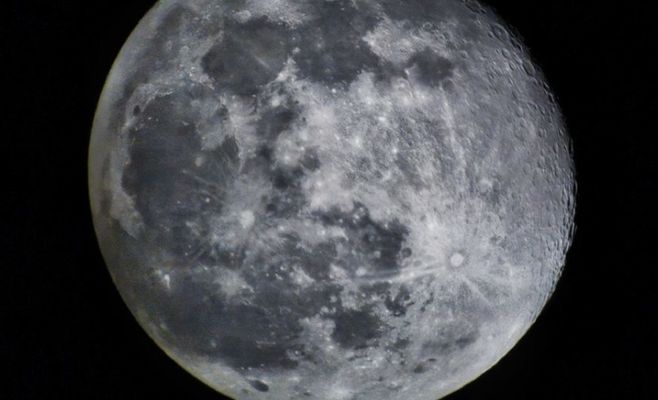
Researchers at Purdue University have developed an insulating material for future moon bases that combines simulated lunar dust with fiber from cardboard waste, Space.com reported. The material is an aerogel, and the team says it could shield people living in lunar habitats from the moon's drastic temperature swings.
The work was published in September in the journal ACS Sustainable Chemistry & Engineering. It was tested with a simulated version of regolith, the dusty material that covers the moon's surface, rather than with real lunar soil.
Why does anyone want to build with moon dust?
Shipping anything to the moon is expensive. Space.com reported that lunar shipping runs about $544,000 per pound, or $1.2 million per kilogram. Anything astronauts can make on the moon from materials already there could therefore help a great deal.
Regolith is the moon's most plentiful resource, and scientists have already proposed several uses for it. Ideas include 3D-printed bricks, solar arrays and even soil for growing potatoes.
What exactly did the Purdue team make?
The team produced an aerogel from a mix of cellulose, the fiber found in cardboard waste, and a material that simulates regolith. Jacob Staker, a graduate researcher on the study, compared an aerogel to a high-tech thermos for a lunar base, according to a Purdue statement dated Nov. 19.
Staker explained that most of an aerogel is empty space, which insulates the interior and helps it hold the temperature of whatever is inside.
Why does cardboard come into it?
The researchers are looking at waste that people living on the moon would generate themselves. Professor Wei, of Purdue's chemistry department, said the team is exploring how materials already on the moon, including waste produced by its inhabitants, could be upcycled into something essential for safe and livable habitats. The aim is to rely less on Earth for supplies.
Wei also said the goal is not to create the best aerogel possible. Instead, the team is looking for a sweet spot, where the needed properties can be reached with the limited resources available on the moon.
What does this mean for NASA's lunar plans?
NASA has said it wants a long-term, sustainable moon base running by 2032, a goal it aims to reach through its Artemis program. Habitats that must withstand sharp temperature changes will need insulation, and the Purdue work is one proposal for making that insulation from local and recycled material.
For now, this remains laboratory research using a stand-in for lunar dust. Wei said sustaining a long-term presence on the moon will require rethinking how local resources are used, and the aerogel is one example of that approach. Nothing in the reporting indicates that NASA has adopted the material for its base plans.
What happens next?
The reporting does not describe a date for testing the material on the moon. The research so far is a published study on a simulated material, and NASA's 2032 target for a sustainable base is the timeline the agency has given for its broader effort.
Read next
Moon Craters Could Shield a Lunar Base From Its Nuclear Reactor, Study Finds
Interstellar Visitor 3I/ATLAS Carries Water Ice Mixed With Dust, Webb Finds
Dust From Halley's Comet Will Streak Across the Sky Despite a Bright Moon
Around Prague, based on reporting by Space.com