Albania Protests: What We Know About the Violent Clashes in Tirana
USD 22,31
Popular
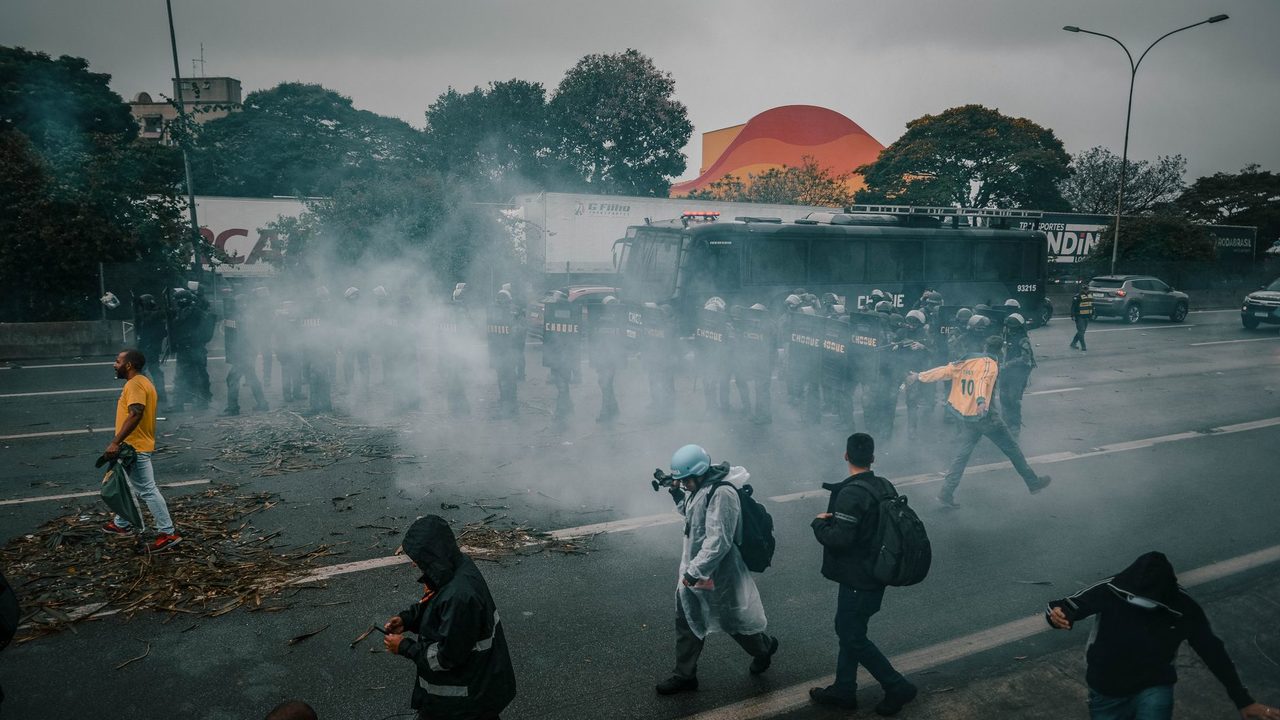
Police responded with tear gas, water cannon and rubber bullets.
The rally in Tirana drew thousands of people and renewed calls for Prime Minister Edi Rama to resign. It came after weeks of anti-government demonstrations that have repeatedly turned violent.
What happened in Tirana?
The march began peacefully on Independence Day, a date that is usually celebrated as a public holiday, according to the Associated Press. Albanians traveled to the capital from across the country to mark it.
Small groups of masked protesters then broke away and began smashing the windows of ministry buildings along the route, The Independent reported. Some pelted a government building with stones and tried to reach Rama's office. Footage showed petrol bombs exploding near a line of police holding riot shields, and fires burned near a riot police truck. Clouds of tear gas spread over several streets.
Police stationed on the main roads in and out of the capital were carrying out vehicle checks. The reports do not give figures for injuries or arrests.
Why are people protesting?
The demonstrations target what protesters see as government corruption, a lack of jobs and poor education standards. They have shaken Tirana since mid-October and have since spread to other cities, often turning violent, according to The Independent.
Engineer Eralda Baze, 45, told reporters at the rally that people had had enough of corruption, poverty and emigration. Others at the march demanded a better life and better health care. Arian Lleshi, 33, who traveled to Tirana from the United Kingdom, told the AP that Albanians who have spread across Europe and the world feel almost like citizens without a state.
Protesters gathered in Skanderbeg Square, the main square in Tirana, and chanted for Rama to step down. Student Juna Vasili said people were calling for a change to the entire system.
How did the movement grow?
The Independent traced the unrest to protests over the summer against a planned luxury development backed by Jared Kushner, the son-in-law of U.S. President Donald Trump. Those protests became known as the Flamingo movement. Student demonstrations followed from September, with students calling for better education and living standards.
The main demand has since widened to include calls for Rama's resignation. One banner at Saturday's march read “Albania is not for sale.”
Why does it matter for Rama's government?
According to The Independent, the latest protests have brought wider and more intense clashes and pose the biggest challenge yet to the prime minister. Rama has governed since 2013 and won a fourth term in office only last year.
For people in Albania, the unrest means that protests in the capital and other cities can disrupt daily life and lead to confrontations with police. For Albanians abroad, many of whom, like Lleshi, returned to join the rally, the demonstrations have become a way to voice frustration with conditions at home.
What happens next?
The reports do not describe a response from Rama or his government to Saturday's violence, and no date has been announced for further demonstrations. Protesters have shown no sign of backing down from their demand that he resign, and the movement has continued since mid-October.
Read next
Albania Protests: Clashes in Tirana as Crowds Demand Prime Minister Rama Resign
Albania Protests Enter Sixth Day as Rama Blames Foreign Hands for Unrest
Albania’s Opposition Disrupts Parliament as Protesters Demand Prime Minister Quit
Around Prague, based on reporting by The Independent