Germany keeps Russia sanctions after Trump's diesel announcement
USD 21,75
Popular
Germany said on Saturday that it is maintaining sanctions on Russia because of the war in Ukraine, Reuters reports. Berlin's statement followed remarks by Donald Trump, who said that on Friday he agreed by phone with Vladimir Putin that Russia would immediately supply more than 300,000 tonnes of diesel fuel to the American and global markets.
Berlin: our position has not changed
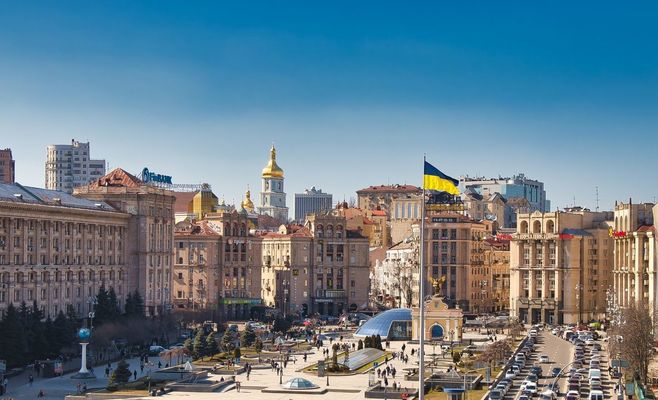
“The federal government has taken note of the US decision on supplies of Russian diesel,” said German government spokesman Steffen Kornelius. According to him, Germany's position has not changed: Berlin still supports sanctions, is working with its European partners on new ones and will continue to support Ukraine and diplomatic efforts. Chancellor Friedrich Merz, who was in Kyiv last week, has repeatedly stressed that Germany, Ukraine's largest European donor, will not cut its aid.
Alice Weidel, co-leader of the Alternative for Germany, reacted differently. “That's how it's done,” she wrote on X, accusing Merz of “destroying Germany” with sanctions.
Washington's deal with Moscow
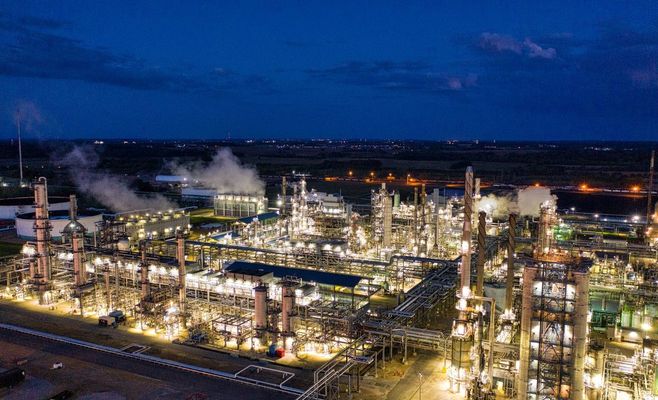
Trump said Russia had agreed to supply diesel to world markets to bring down fuel prices, and his administration has temporarily lifted US sanctions on Russian fuel. Those sanctions were meant to deprive Moscow of revenue for the war. Democrats believe fuel became more expensive because of the war with Iran started by Trump, and that he is now “trying to clean up his own mess with desperate deals with a dictator”.
Diesel is used in agriculture, for heating homes and in freight transport. It has risen in price to almost record levels, which poses a risk for Republicans ahead of the November congressional elections. For comparison, the US consumes about 3.6 million barrels of diesel a day, so even the promised 300,000 tonnes this month would amount to roughly half of one day's consumption.
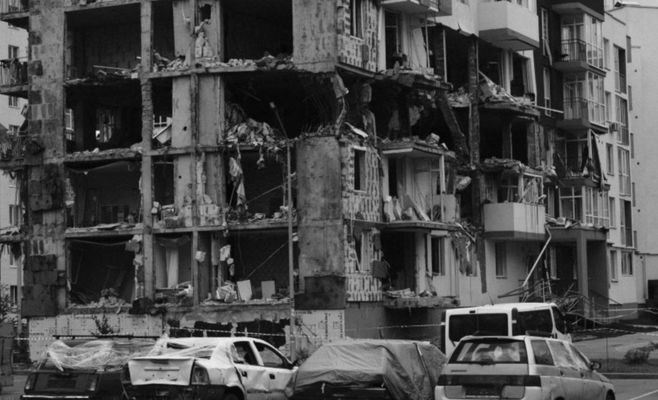
Polish Foreign Minister Radosław Sikorski doubted that Russia has any surplus fuel at all. “Our embassy reports fuel shortages even in Moscow, which is always supplied first. Besides, serious sources write that Ukraine has already damaged about 50 percent of Russia's oil refining capacity. So where would the surplus for export come from?” he wrote on X.
Source: seznamzpravy.cz