Oleshky evacuation: hundreds leave occupation, hunger and blackouts
USD 21,81
Popular
On Saturday, hundreds of people evacuated from occupied Oleshky arrived in the Chernihiv region. Their route to Kyiv-controlled territory ran through occupied Crimea, Russian territory and Belarus; the evacuation was possible thanks to a temporary truce.
A reunion after 1,711 days
Dmytro waited for his wife at the border between Ukraine and Belarus and knew exactly how many days had passed since they last met: 1,711. When Larysa stepped off the bus, the couple embraced and kissed several times, both with Ukrainian flags draped over their shoulders.
Life in the occupied city has taken a heavy toll on Larysa, 54: according to international media, she lost a third of her body weight. But in conversation she spoke not only about herself but about those still left in the same situation. “It is hard for all of us. We are waiting for it all to end, for peace and victory to come,” she said.
Other evacuees spoke first of all about hunger and exhaustion. Valera, 29, said that not even bread could be found in the city: people grew vegetables in garden plots and ate whatever they could find.
A city without power, gas or water
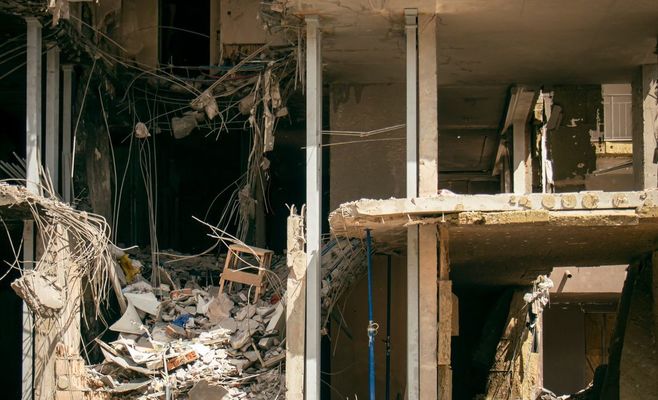
In recent months conditions in Oleshky have sharply deteriorated: electricity, gas and water disappeared, and food and medicine ran short. According to the evacuees, no food had been brought into the city for months, and people used up supplies left in abandoned apartments, ate pickled vegetables, whatever grew in their own beds and even weeds.
Zhanna Ptakhova left Oleshky with her daughters Yelyzaveta and Daria while it was still possible. Her husband stayed behind to look after the house until the family could safely return. By her account, he built a stove in the house, got chickens and planted a vegetable garden: he turned a home designed for modern life into a dwelling for the most primitive conditions. After three years the family was finally reunited. “I spotted my girls from the bus, among everyone,” said the father, Mykhailo Paliy.
Help for the most vulnerable
Some elderly residents were brought to the border on stretchers. Doctors are above all concerned about the consequences of prolonged undernourishment. Andriy Zhydenko, director of the Chernihiv regional hospital, warned that after long hunger a return to normal food that is too fast can cause serious complications, which is why the evacuees include people with injuries, stroke survivors and people with limited mobility.
An evacuee named Oleksandr said he had never felt better in his life, as if he had broken out of hell; during the occupation he hardly went outside. Liubov admitted that before boarding the buses everyone was afraid and nervous, but in the end everything went well.
How the evacuation was organized
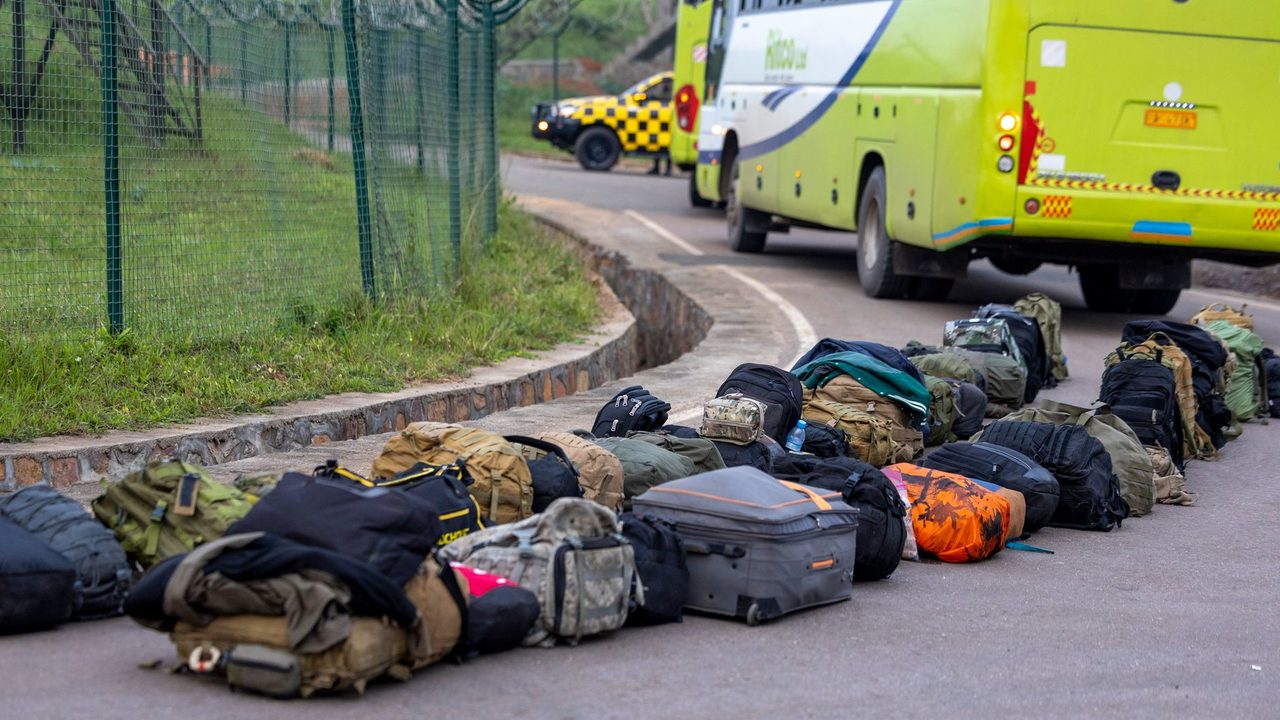
The evacuation was made possible by a temporary truce that began on Tuesday, Oct. 27, and is due to last until Sunday, Nov. 1. According to Ukrainian officials, U.S. First Lady Melania Trump also took part in negotiating it. Before departure, a safe route out of the city had to be secured and the city cleared of mines, while the threat of drone attacks remained. Residents were given a four-hour window to leave. The operation involved 25 buses with a capacity of up to 750 people, plus ambulances for people with limited mobility.
Ukrainian ombudsman Dmytro Lubinets, who helped organize the operation, said the oldest of those rescued was 94 and the youngest was one year old. He described the talks with the Russian side as extremely difficult. Ukrainian President Volodymyr Zelenskyy thanked everyone who helped bring residents out and everyone who drew attention to Oleshky and to the humanitarian catastrophe in the temporarily occupied territory.
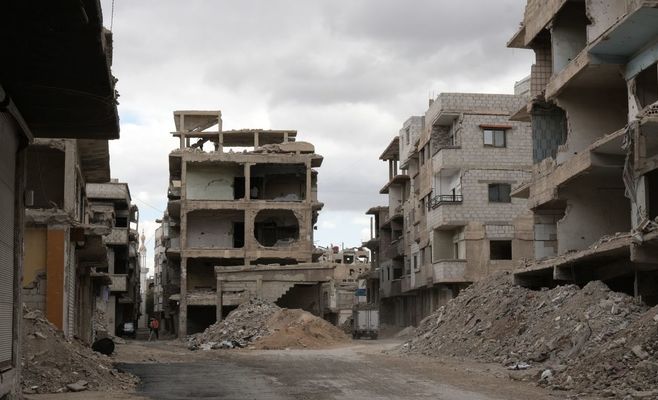
Not everyone chose to leave: some people preferred to stay in Oleshky, although the city is largely destroyed and lacks basic necessities. Ukrainian authorities promised that humanitarian aid will reach them too.
Around Prague, based on reporting by denik.cz