Arrests, Fires and Tent Camps: The Numbers Behind Europe's Autumn of Protests
USD 21,69
Popular
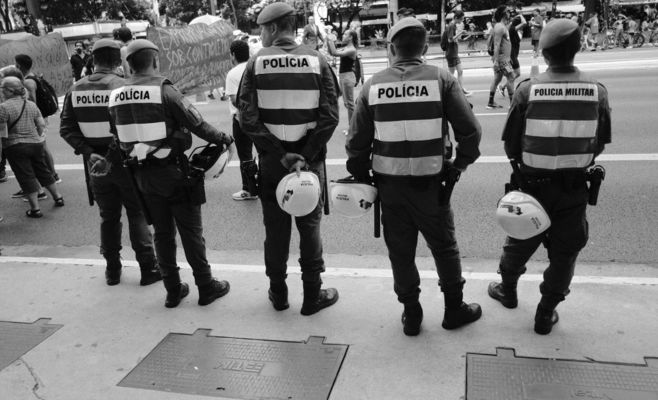
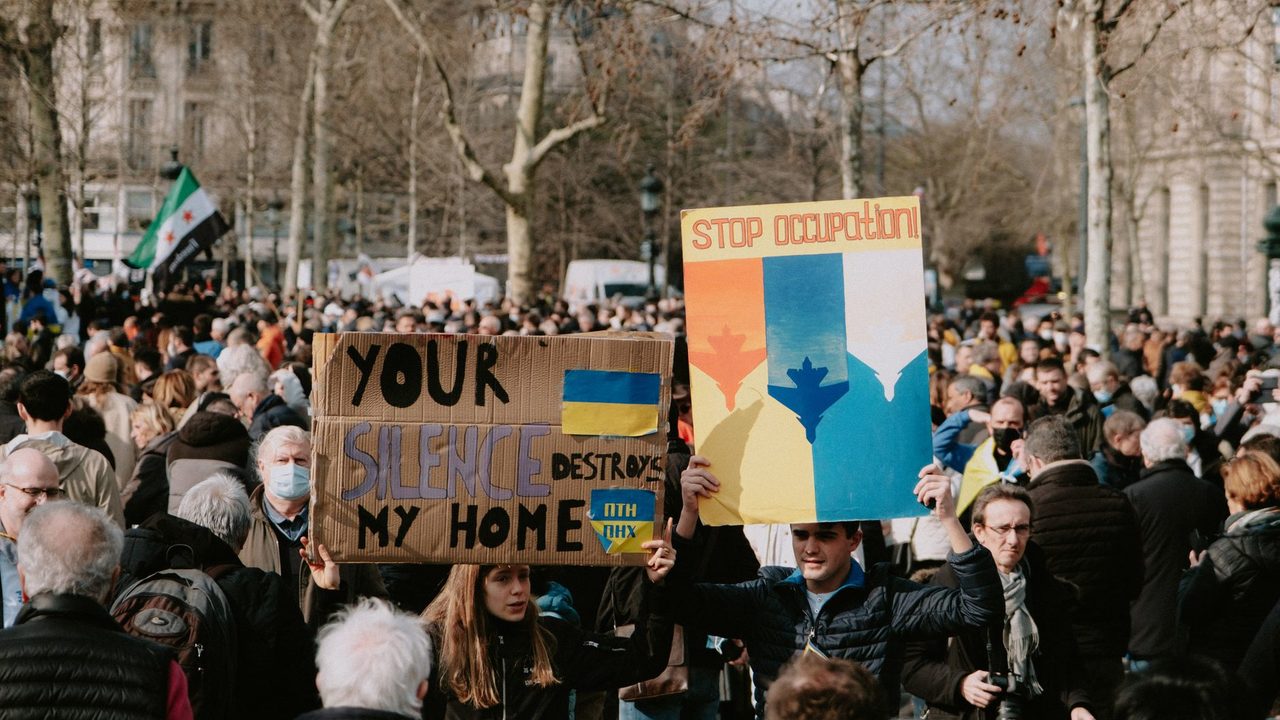
A wave of protests over school funding, living costs and housing has led to violence, looting and thousands of arrests across several European countries, The Independent and ABC News reported. In France, about 2,400 people were arrested over a single weekend, while Spain is heading toward a snap election and its first general strike in 14 years.
The unrest has been building for weeks in major cities in France, Italy and Albania, according to the reports. In Spain and Portugal, protesters have set up tent camps to object to rents and housing costs they describe as unattainable.
The key figures behind the unrest
- 2,400 arrests in France. That is the toll from last weekend's unrest, which included looting in Paris, Marseille, Lyon and Bordeaux. Hundreds of thousands of people also marched peacefully, the reports said.
- 271 arrests in Milan. Police said these came during two days of unrest, and most of those detained were minors. Fourteen members of the security forces were reportedly injured.
- 4.2% inflation in Italy. Government data showed prices rising by that rate in September, above the eurozone figure of 3.8%.
- 1,221 euros versus 1,130 euros. Spain's minimum wage is 1,221 euros ($1,370) a month. The average monthly rent for an 80-square-meter apartment is around 1,130 euros (about $1,270), according to an analysis by the business newspaper Expansión.
- 14 years. A general strike planned for November in Spain would be the first in that time.
- Sixth consecutive day. Anti-government protests in Tirana, Albania, reached that mark on Sunday, with more clashes between demonstrators and police.
What is driving the protests
In France, high school students have staged blockades and demonstrations for more than three weeks. They want more resources for schools they describe as understaffed and dilapidated, especially in lower-income neighborhoods. The France-based CGT labor union and other activists then joined while students were on fall break, and the demands now include rising living costs and public services.
The violence was serious in places. In Limoges, flames engulfed the 19th-century City Hall and nearly destroyed it, and some schools were set on fire. Students and rioters threw firebombs, police used tear gas, and hundreds of people have been injured, the reports said.
In Italy, a movement called “Italia in Piazza” has drawn thousands of demonstrators demanding better jobs, healthcare, education, housing access and higher wages. Peaceful marches turned violent over the weekend in Turin, Bologna and Milan. A new group calling itself the “Oct. 17 Movement” has announced what it calls a permanent mobilization, urging supporters to demonstrate every Saturday at 3 p.m. in cities across Italy, starting in Milan.
In Madrid, tents have filled the Puerta del Sol square for weeks. The protest was sparked by the eviction of Maricarmen, an 87-year-old woman who later died in the hospital. Diana Manzanares, a 20-year-old waitress at the encampment, said most of her paycheck goes to rent. Similar housing protests have taken place in Barcelona, Lisbon and Porto. Spanish primary and secondary teachers also began an indefinite strike in Madrid last week over pay and working conditions.
In Albania, students joined anti-corruption and anti-government protests in Tirana, and the violence escalated after high school and university students took part.
Why it matters for people in affected countries
For residents, the effects are already visible: school blockades in France, an open-ended teachers' strike in Madrid, damaged public buildings and a weekly protest schedule in Italy. María Silvestre, a sociology professor at the University of Deusto in Spain, said young people feel disappointed with the social model and a loss of control, and that specific events can spark that discontent into street action.
The cost-of-living pressures are concrete in the reported figures. Italian inflation is running above the eurozone average, and in Spain the typical rent for a mid-sized apartment is close to the monthly minimum wage.
The unrest also has political weight. France, Italy and Spain, all among the EU's largest economies, are approaching pivotal elections, and far-right parties have made gains in Germany, according to the reports. French President Emmanuel Macron blamed far-left activists for trying to sow chaos by attacking buildings and police. He said in a televised address on Sunday that “those who looted will have to pay for the damage.” The reports noted that French authorities and police have not blamed immigrants.
U.S. President Donald Trump took a different view. He wrote on Truth Social that migrants had taken over France and urged it to close its borders. The reports said protests in France have appeared broad-based, and that frustrated young people have fueled many of them, along with black-clad, masked agitators who have stoked violence.
What happens next
Spanish Prime Minister Pedro Sánchez has announced a snap election for November, after affordable housing measures approved by the Socialist-led government failed to win enough support in Parliament. The general strike is also set for November. In Italy, the Oct. 17 Movement is calling for demonstrations every Saturday afternoon. No end date has been announced for the French or Albanian protests.
Sources: The Independent, ABC News