COP31 Climate Talks in Turkey End Without a Deal: Where Each Side Stands
USD 22,36
Popular
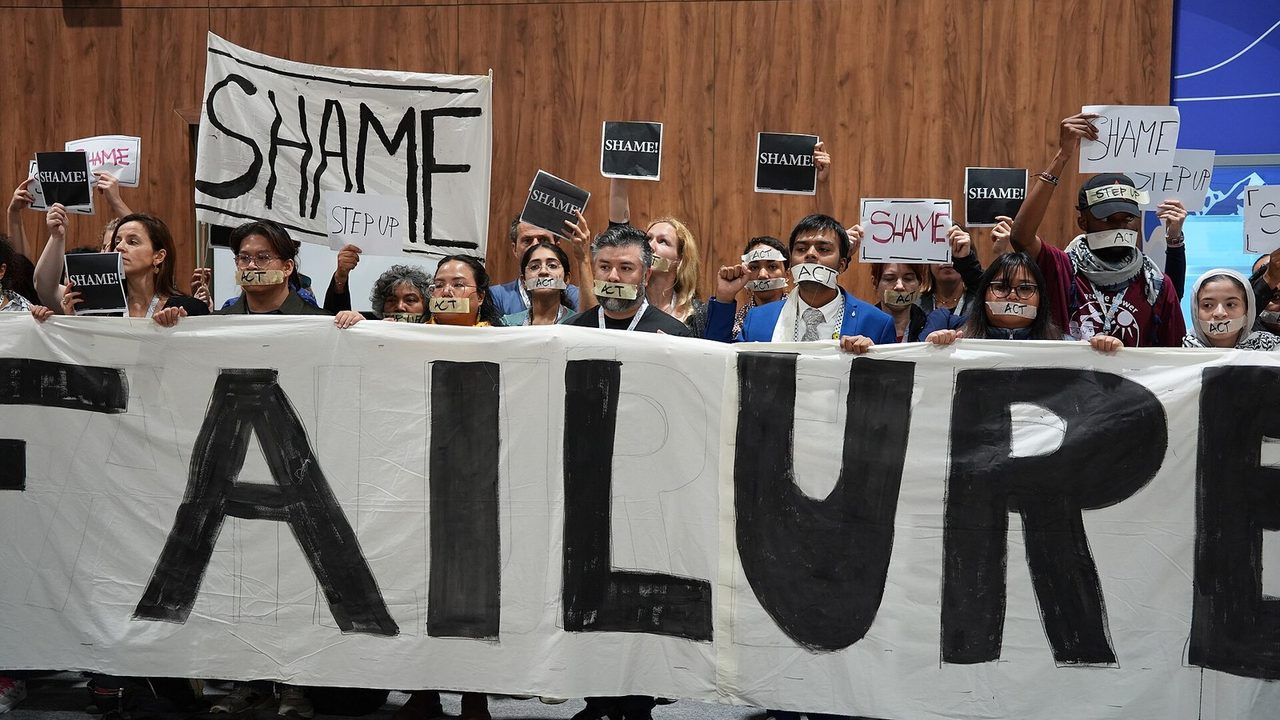
The COP31 climate summit in Antalya, Turkey, ended Sunday without its central political agreement, the Antalya Pacts, after countries split over fossil fuels and money for developing nations. Al Jazeera reported that the European Union and others rejected a final text they judged too weak. The BBC described the gathering as the longest-running climate talks in UN history.
The result leaves no new global statement on moving away from coal, oil and gas, and no figure for added climate adaptation funding, at a time when scientists expect the world to overshoot the 1.5C warming limit.
What happened on the final day
According to Al Jazeera, the talks began Nov. 9 and stalled when oil-producing states blocked any mention of phasing out fossil fuels in the proposal from the COP31 presidency, held by Turkey, with Australia as main negotiator. The BBC said countries walked out on a fractious last day over the missing fossil fuel language and over money.
A revised text appeared early Sunday. Al Jazeera said it was angrily rejected after about 130 nations sent the presidency a letter stating that any deal had to include a path away from fossil fuels. The text instead promoted carbon capture and did not mention fossil fuels at all.
The position of oil-producing states
Al Jazeera reported that Saudi Arabia and fellow members of the Organization of the Petroleum Exporting Countries opposed any reference to a fossil fuel phase-out and pushed for carbon capture instead. The outlet noted that critics call that technology costly and ineffective.
Cosima Cassel, a climate diplomacy specialist at the think tank E3G, told Al Jazeera that petrostates were trying to slow the energy transition after the disruption of the Strait of Hormuz and with their incomes projected to fall as demand for fossil fuels declines. She described the outcome as a small group of blockers overriding a large majority.
The position of the EU and vulnerable nations
The EU and several nations especially exposed to climate impacts said they could not accept a text that left out the main driver of warming. The BBC reported that EU representative Darragh O'Brien told the closing session the talks had been “hijacked by some oil states.”
The BBC also reported that Russian delegate Sergei Kononuchenko, switching from Russian to English to address the EU delegation directly, accused it of offering climate finance to developing countries only as loans. He called that an old colonial arrangement under a new banner.
Sebastien Duyck, a senior attorney at the Center for International Environmental Law, told Al Jazeera that wealthy countries showed “considerable hypocrisy.” He said they criticized fossil fuel producers while failing to pay their fair share of the transition's costs. Al Jazeera said the US-Israeli war on Iran and Russia's war on Ukraine strained national budgets and left rich nations unwilling to commit trillions of dollars.
Why it matters: what the failure leaves unresolved
The BBC said a draft had acknowledged that global temperatures are expected to exceed 1.5C above pre-industrial levels, the Paris Agreement threshold set in 2015. Without a deal, that acknowledgment was lost. The draft had also urged that any overshoot be kept small and brief, and it would have been the first COP final agreement to explicitly mention carbon dioxide removal.
On money, rich nations did not put a figure on additional adaptation funding. The BBC noted that a commitment from last year to triple funding from $40 billion by 2035 already exists, but its interpretation remains contested. The fossil fuel language also mattered because countries had made a similar pledge at COP28 in Dubai three years ago, according to the BBC.
Not everything fell apart. The BBC reported that the 164 other agenda items produced some results. Money raised from a global carbon credit system will go toward helping developing countries adapt to climate impacts, and countries agreed to advance a just transition framework meant to protect workers and communities as economies move to clean energy. Australian minister Chris Bowen, who co-led the talks, said the world faced “the most complicated and fraught geopolitical environment in living memory.”
What happens next
Unfinished items will be taken up at COP32, the BBC said, including the work programme meant to drive emissions cuts. UK Energy Secretary Miatta Fahnbulleh said the summit had sought to confront the hard truth that warming will overshoot 1.5C and that emissions must fall faster.
Al Jazeera reported that the collapse has renewed calls to reform the UN process, which requires all countries to agree. Many still see it as the one forum where every country has a voice, Cassel said. Meanwhile, the voluntary Global Climate Action Agenda, which involves cities, businesses and financial institutions, is gaining prominence. Al Jazeera also pointed to other routes: last year's International Court of Justice advisory opinion confirming a binding legal duty to combat climate change, and the Santa Marta initiative, which brought 57 countries together in April to promote non-binding cooperation on a fossil fuel phase-out.
Read next
COP31 Climate Deal in Doubt: Draft Leaves Out Fossil Fuels as Talks Run Into Overtime
Climate Talks Stall Over Fossil Fuels and Money as COP31 Runs Through the Night
COP31 Ends Without a Deal: What Happened in Antalya and What Comes Next
Around Prague, based on reporting by BBC News, Al Jazeera
Cover photo: Xuthoria / Wikimedia Commons, CC BY-SA 4.0, cropped