Chay Bowes: From Leo Varadkar Leak to EU Sanctions, a Timeline of His Career
USD 22,26
Popular
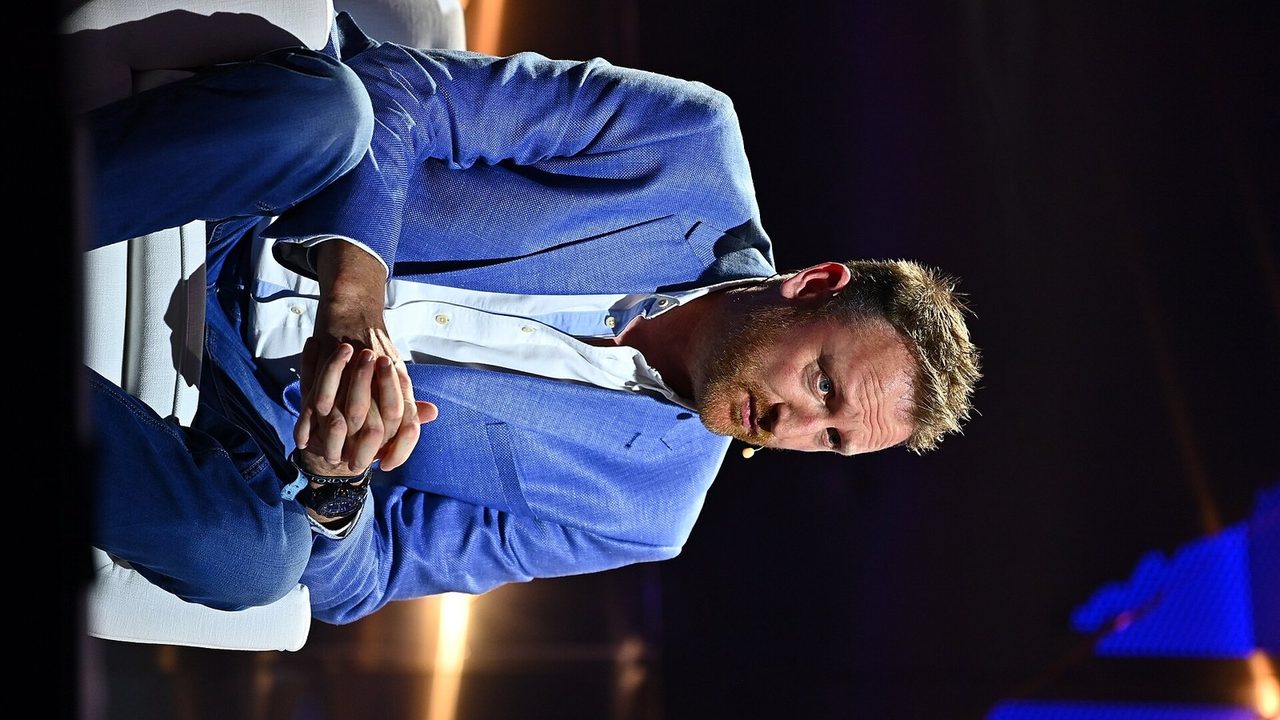
Chay Bowes, the Irish RT presenter placed under EU sanctions this week, first became known to the public as a healthcare entrepreneur who helped expose a leak involving then-Taoiseach Leo Varadkar. The Journal reported that he was among 30 individuals sanctioned, and that the Council of the EU accused him of taking part in Russian information manipulation. Bowes rejects the allegations.
The Journal's profile and a commentary on The Ditch, the website Bowes co-founded, fill in the path that led to the listing.
How Bowes got from Irish politics to the sanctions list
- 2017: Bowes co-founded Community Hospital Ireland, a private company that delivered healthcare in patients' homes, according to The Journal.
- 2019: Galway doctor Maitiú Ó Tuathail, then president of the now-defunct National Association of General Practitioners, sent Bowes a message showing he had obtained a confidential GP contract between the government and the Irish Medical Organisation.
- 2020: Village magazine published the "Leo the leak" exposé, which relied heavily on Bowes's text messages and documents. The Journal said it won him goodwill among some Irish readers.
- Summer 2022: Bowes parted ways with the other co-founders of The Ditch. A commentary on the site said they disagreed on too much, politically and strategically, to keep working together.
- 2023: Bowes appeared at the UN Security Council on Russia's behalf. The EU later cited his "anti-Western and anti-Ukraine disinformation" there, The Journal reported.
- February 2024: He began hosting the RT show "Moscow Mules."
- August 2024: A video styled to look like a BBC report claimed Reporters Without Borders had found widespread sympathy for Nazism among Ukrainian soldiers. The press-freedom group later said it never made such a finding, and that Bowes was among the first to amplify the clip, The Journal reported. Reporters Without Borders said the video was first posted by an anonymous account on X.
- This week: The EU sanctioned Bowes and three other media figures, describing them as propagandists.
What the EU's listing cites
According to The Journal, the Council pointed to his RT show and his co-founding of a network called The Islander News, which it called pro-Russian. It also cited his participation in influence operations run by the Wagner Group-founded Foundation to Battle Injustice. The Council said these activities amounted to supporting policies of the Russian government that threaten democracy, the rule of law, stability or security in the Union.
The Ditch commentary notes that the Council's announcement describes him as an RT correspondent. It also says Bowes denies the part of the listing that links him to Wagner Group-linked campaigns and a network known as Storm-1516. The commentary adds that Irish media have mostly qualified the propaganda claims with words such as "alleged." It argues that because RT is already banned in Europe, the practical target is his Twitter account.
Why it matters: how the measures work in practice
The Journal reported that Bowes's assets in the EU are frozen. EU citizens and companies may not give him funds, and he is barred from entering or transiting EU member states. That ban does not cover Ireland.
The National Law Review's overview of the EU's recent listings shows how the system is built. The EU keeps a principal Russia sanctions list and separate hybrid and cyber regimes. On Nov. 16, according to the review, the Council made 113 additions to the principal list and 32 under the hybrid and cyber regimes, 31 of them hybrid. The review says such listings extend the lists without changing the EU's general trade restrictions. It also notes that the EU and the UK keep different lists, so a person or company can be sanctioned in one jurisdiction and not the other.
The same review explains that, under Council guidance, making funds available to a company owned or controlled by a listed person is in principle treated as making them indirectly available to that person. That principle is set out in the review in the context of the principal regime, and the Journal does not say which regime applies to Bowes.
The dispute over press freedom
Bowes called the sanctions illegal and an attempt to "bully me into silence." He told The Journal he considers the allegations false. People Before Profit TD Richard Boyd-Barrett called the move a sinister development. The party warned that penalizing commentators without a trial sets a dangerous precedent for free expression, and compared it with U.S. sanctions on UN Special Rapporteur Francesca Albanese.
The EU's position, as The Journal summarized it, is that the decision follows years of fabricated stories and Kremlin-aligned disinformation about the war in Ukraine. The Ditch commentary does not accept the EU's case. Its author condemned the sanctions while noting that some people dispute whether Bowes counts as a journalist.
What happens next
The National Law Review says the Nov. 16 listings are separate from the EU's proposed 22nd sanctions package. The presidents of the European Council and the European Commission said on Nov. 12 that the Commission would present that proposal alongside the European Council meeting on Nov. 26 and 27. The sources do not say whether Bowes will challenge his listing.
Earlier on Around Prague: Chay Bowes EU Sanctions: Why Ireland's Only Sanctioned Citizen Is on the List
Read next
Chay Bowes EU Sanctions: Why Ireland's Only Sanctioned Citizen Is on the List
Irish Refinery's Alumina Exports to Russia Spark Calls for EU Sanctions
What Lagarde's Early Exit From the ECB Means for Rates and Europe's Economy
Around Prague, based on reporting by The Ditch, The Journal, The National Law Review
Cover photo: Web Summit / Wikimedia Commons, CC BY 2.0, cropped