Cyclone Murasu Hits India's Andhra Pradesh Coast Days After Deadly Cyclone Arnab

USD 21,71
Popular
Cyclone Murasu struck India's eastern coast early Tuesday, the second cyclone to hit Andhra Pradesh in a week. It uprooted trees, toppled electricity poles and flooded low-lying areas, according to Al Jazeera, while heavy rain continued through the day after thousands of people had been moved to safety.
No deaths or injuries had been reported by the time of the latest reports, Prakhar Jain, managing director of the Andhra Pradesh State Disaster Management Authority, told Reuters. The storm arrives days after Cyclone Arnab killed at least five people in the same state, ABC News reported.
Where and when Murasu came ashore
The India Meteorological Department (IMD) said the severe cyclonic storm made landfall near Ongole in Prakasam district at about 1 a.m. Tuesday, which was 19:30 GMT on Monday. ABC News, citing the IMD, reported maximum sustained winds of 100-110 kph (62-68 mph) at landfall, with the storm weakening as it moved inland and heavy rain forecast for several hours.
The IMD warned of heavy to very heavy rain across several districts through the day. It forecast that Andhra Pradesh and neighboring Tamil Nadu, to the south, would be hit hardest, and the storm was also bringing heavy rain to Puducherry and Odisha. A coastal storm surge of up to 1.5 meters (5 feet) was possible, the agency said.
Damage reported so far
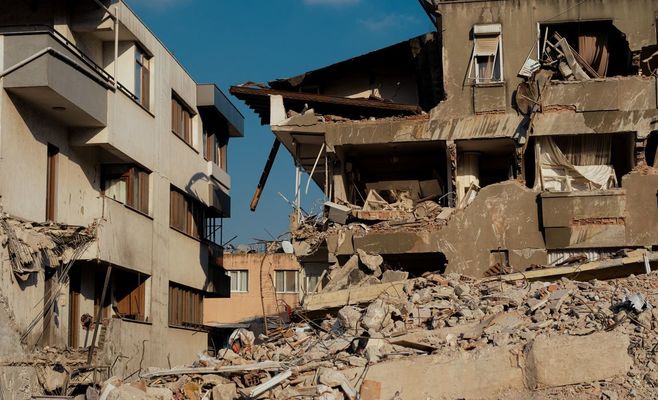
The Press Trust of India news agency reported extensive damage in Prakasam and Bapatla districts. According to its account, thousands of trees were felled, hundreds of power poles were damaged and fishing boats were wrecked. Standing crops were also hit, and many areas were underwater, the agency said.
Fisherman Krishnamma, from Kothapatnam in Prakasam district, told PTI that this was the most dangerous cyclone his community had seen in 14 years. He said about 400 families from his village were moved out before the storm struck.
Evacuations and preparations
Authorities began evacuating people on Monday and planned to move about 30,000 people to safety in Andhra Pradesh, Jain told Reuters. ABC News reported that officials also closed schools and halted train services and some flights in vulnerable areas before landfall. Authorities warned that the rain could cause flooding in low-lying areas and disrupt daily life.
Indian Home Minister Amit Shah said on X that he had spoken with Andhra Pradesh Chief Minister N Chandrababu Naidu about the cyclone's impact. Shah wrote that the central government would provide all kinds of assistance and support, and that national and state disaster response teams were already on the ground.
A second storm after Arnab
Murasu formed over the Bay of Bengal, whose warm waters have produced some of the deadliest cyclones to strike eastern India, Bangladesh and Myanmar. It follows Cyclone Arnab, which battered parts of Andhra Pradesh last week and also caused heavy damage in neighboring Odisha, according to Al Jazeera.
ABC News reported that Arnab killed at least five people, damaged homes and infrastructure, and inundated roughly 200,000 acres of cropland. Having two cyclones hit the same region in such a short span means many communities are facing a new storm while still dealing with damage from the last one.
What this means for people in the affected areas
For residents of coastal Andhra Pradesh and nearby states, the immediate effects are flooding, power outages from downed poles and trees, and disruption to travel. Train services and some flights were halted ahead of the storm, and schools were closed in vulnerable areas, so people planning to travel through the region may face delays.
For farmers and fishing communities, the damage reported by PTI is a further blow. Fishing boats were wrecked and standing crops were hit in Prakasam and Bapatla districts, only days after Arnab flooded cropland across a large area of the state.
Authorities said that evacuation of about 30,000 people was planned, and that warnings of flooding in low-lying areas remain in effect. The IMD continues to forecast heavy to very heavy rainfall through Tuesday, which means conditions may stay hazardous even after the storm has weakened. A full count of damage and any casualties is still to come, since the reports so far describe the early hours after landfall.
Around Prague, based on reporting by ABC News, Al Jazeera