Drones Spark Fires in Russia's Ryazan, Where a Major Oil Refinery Reportedly Burns
USD 21,57
Popular
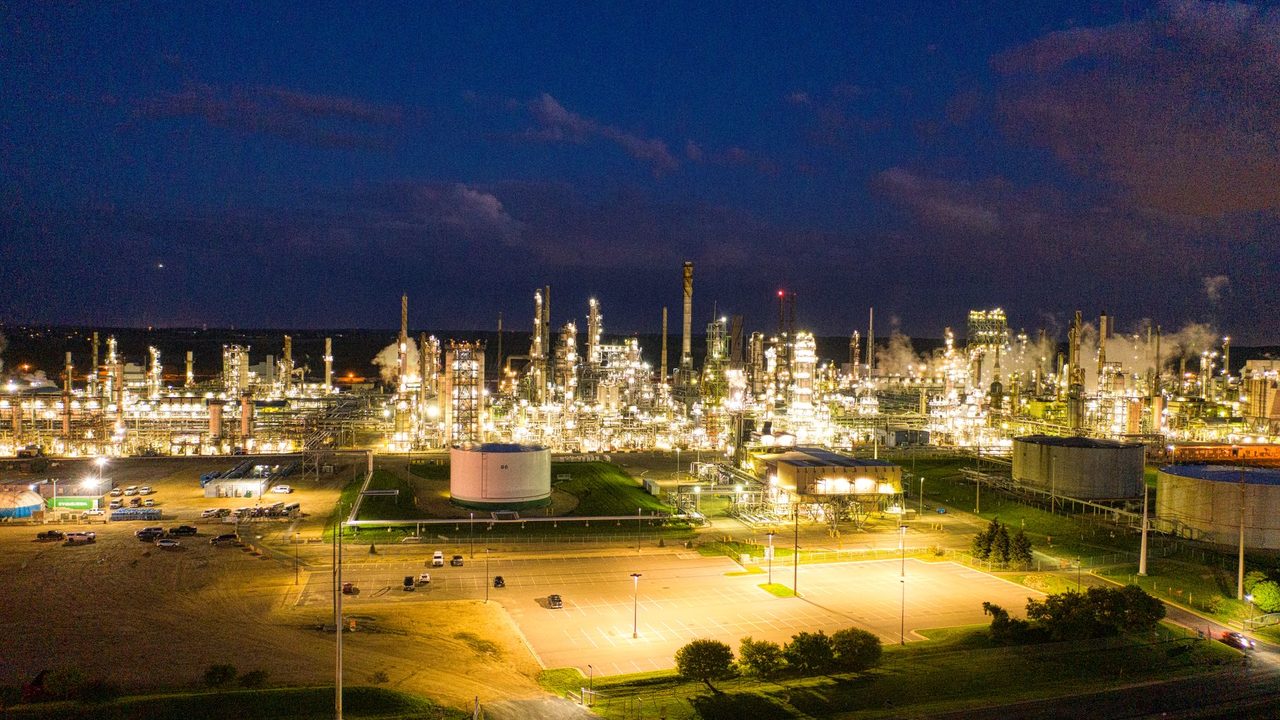
A large drone attack hit Russia's Ryazan region overnight on Nov. 5, causing fires at industrial facilities in the city of Ryazan, power outages and damage to homes and a school. Videos online suggest the Ryazan oil refinery, one of Russia's largest, was the target, though officials have not confirmed that.
Regional Gov. Pavel Malkov confirmed the attack, according to The Kyiv Independent and Nasha Niva. He did not say which facilities were affected and did not confirm damage to the refinery.
What is known about the attack and the damage
Malkov said falling drone debris caused damage across the region, The Kyiv Independent reported. Power lines were damaged, leaving parts of Ryazan without electricity. Windows were shattered at School No. 58, and authorities canceled classes for the day.
Residential buildings were damaged in the Ryazan district, and a non-residential building caught fire in the Rybnovsky district, according to the governor. One person was injured and received medical help.
The Kyiv Independent said the Exilenova+ Telegram channel reported that drones reached the refinery's industrial area. Footage shared online purportedly shows air defenses firing, then a powerful explosion and a bright glow in the night sky, followed by flames and thick smoke. The Kyiv Independent said it could not immediately verify the footage or confirm whether the refinery was damaged.
Nasha Niva reported that the outlet ASTRA, using open sources, determined the refinery was the facility on fire. RBC-Ukraine said at least six hits on the facility had been reported online, and noted there was no official confirmation of a strike on the refinery or of how badly it was damaged.
Local residents also reported a fire at a Wildberries logistics center near Ryazan. Nasha Niva said that was not yet confirmed. RBC-Ukraine said the scale of that fire and the number of drones involved were unclear.
Why the Ryazan refinery matters
The refinery is operated by Rosneft, Russia's state-controlled oil company. The Kyiv Independent and RBC-Ukraine put its annual capacity at about 17 million metric tons of crude oil, while Nasha Niva gave a range of 17 to 18 million tons. It sits roughly 500 kilometers (310 miles) from Ukraine, according to The Kyiv Independent.
The plant makes gasoline, diesel, jet fuel and other petroleum products, according to The Kyiv Independent. RBC-Ukraine added fuel oil, liquefied gases, bitumen and petrochemical feedstocks. Both RBC-Ukraine and Nasha Niva said it plays a role in supplying fuel to Moscow and other central Russian regions. Nasha Niva also said it produces fuel for the Russian army.
A repeated target
RBC-Ukraine said the refinery was attacked several times in 2026, including in May, July, September and October. After the Oct. 15 attack, Malkov reported a fire at the refinery, RBC-Ukraine said. The next day, Reuters, citing industry sources, reported that one of the main crude distillation units, CDU-6, had been shut down and that several pipelines were damaged.
The Kyiv Independent said Ukraine has continued to strike Russian oil infrastructure to disrupt fuel supplies and weaken Moscow's ability to pay for the war.
What this means for people in the region and beyond
For residents of Ryazan, the immediate effects were practical: power interruptions in parts of the city, damaged homes and a school closed for the day. Beyond the region, the main question is whether the refinery's output was affected, since sources describe it as a supplier of fuel to Moscow and central Russia. That has not been established. Neither the governor nor any other official has said whether production was disrupted, and the refinery's condition remains unverified.
Reports also differ in detail. RBC-Ukraine's account stressed the absence of official confirmation of a refinery strike, while the governor's later statements, as relayed by The Kyiv Independent and Nasha Niva, confirmed the attack and fires at industrial sites without naming them.
Around Prague, based on reporting by The Kyiv Independent, Наша Ніва, RBC-Ukraine