Hong Kong Court Jails Joshua Wong for 10 Years in Second Security Case
USD 21,57
Popular
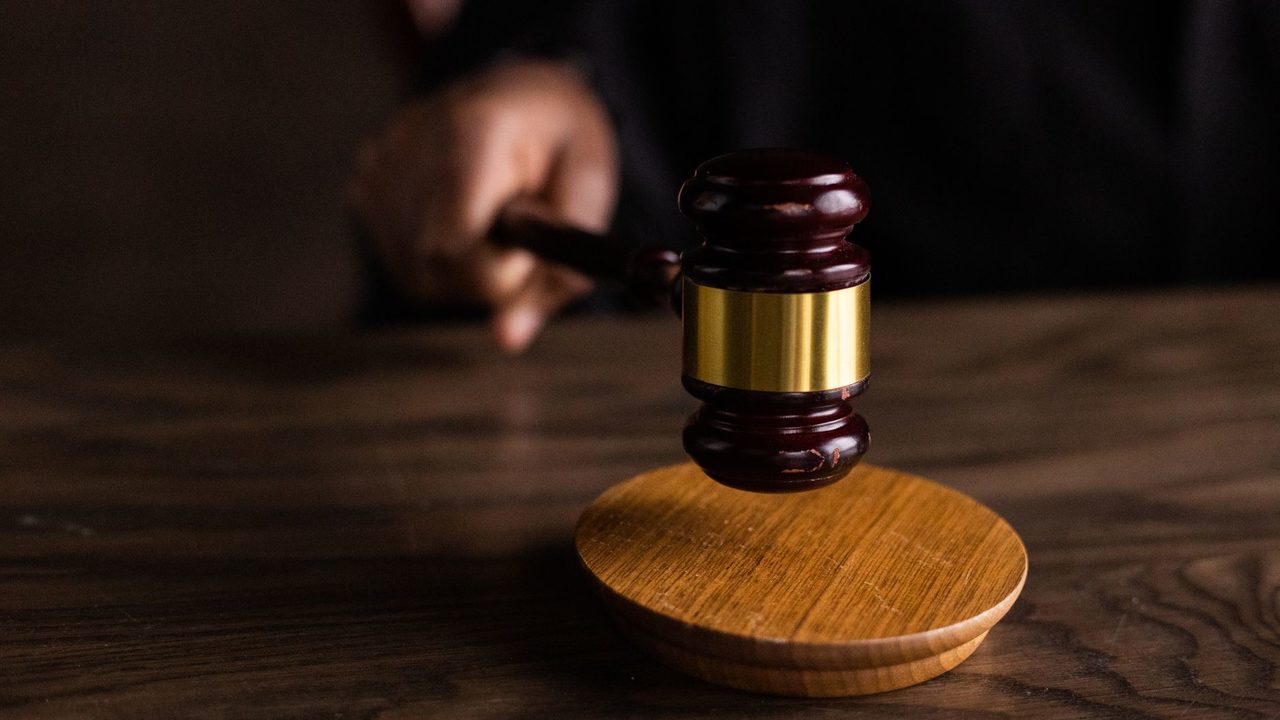
A Hong Kong court sentenced pro-democracy activist Joshua Wong to 10 years in prison on Thursday for "foreign collusion," his second conviction under the Beijing-imposed national security law, The Guardian reported. Wong, 30, had pleaded guilty in September.
The ruling means Wong will stay behind bars well beyond January 2027, when he had been due to be released from his earlier sentence. Judge William Tam ruled that the new term will run concurrently with what remains of that previous sentence, according to The Guardian.
How the case reached Thursday's sentence
- 2014: Wong became the teenage face of the Umbrella protests, which paralyzed the city's financial center. In October 2014 he appeared on the cover of Time magazine under the headline "The Face of Protest," The Guardian reported.
- Around 2016: Prosecutors say Wong and fellow activist Nathan Law agreed to lobby internationally for democratic self-determination, according to ABC News. Prosecutors pointed to Wong's meetings with U.S. politicians including Nancy Pelosi and Marco Rubio in 2016 and 2019.
- 2019: Protests erupted over a proposed extradition bill. Wong was serving a sentence for his role in the 2014 demonstrations, was released at the height of the unrest and went straight to the streets, The Guardian reported.
- 2020: Beijing introduced the national security law, which it said was needed to restore stability in the former British colony.
- November 2024: Wong received a term of four years and eight months for conspiracy to commit subversion over an unofficial primary election. He pleaded guilty in that case.
- 2025: Wong was charged with conspiracy to collude with foreign forces to endanger national security.
- September: Wong pleaded guilty. The charge carried a prison term of three years to life, and a guilty plea typically reduces the sentence, according to ABC News.
- Thursday: Tam sentenced Wong to 10 years.
What the judge and prosecutors said
Tam described Wong's actions as "grave in nature," The Guardian reported. He said Wong had visited the United States to seek foreign interference before the security law took effect in 2020. He also said Wong kept sharing social media posts by Law calling for sanctions after the law was enacted.
The judge said Wong's role was to provide underground support and to draw the attention of foreign countries to bolster the cause of exiled activists. Prosecutors alleged that Law and others advanced the work abroad by meeting foreign politicians and launching petition drives. They said Wong backed the effort from Hong Kong through foreign media and social media, seeking sanctions, blockades or other hostile measures against China and Hong Kong.
Wong's lawyer, Derek Chan, had earlier urged the court to give his client some hope. Chan said Wong wants to care for his parents after his release, according to ABC News. Wong, who has spent nearly six years in detention, wore a dark blue shirt and glasses in court and bowed to supporters who waved, The Guardian reported.
Why it matters: a signal for Hong Kong's civil society
Critics say the case shows how the security law can be used against political opposition. Eric Lai, a research fellow at the Georgetown Center for Asian Law, told ABC News that security charges can be used repeatedly to keep a particular political prisoner in jail if the government considers it necessary. Observers cited by ABC News said the sentencing reflects authorities' determination to keep prominent activists imprisoned as long as possible, which further chills civic activism.
Beijing and Hong Kong authorities see it differently. According to ABC News, Beijing views Wong as an anti-China figure who supports Hong Kong independence, a position it considers a red line. Hong Kong authorities say the law is crucial for the city's stability after the 2019 protests and that law enforcement actions have been evidence-based.
The ruling lands in a city whose civil society has changed sharply since 2019. ABC News reported that authorities have reduced public choice in elections and arrested many leading activists. Some critical news outlets have shut down, and dozens of civil society groups have dissolved. To his supporters, Wong represents a younger generation born in the final years of British colonial rule, before the 1997 handover to China.
Around Prague, based on reporting by ABC News, The Guardian