Lula Wins Fourth Term in Brazil After Trailing by 2.2 Million Votes in Round One
USD 21,78
Popular
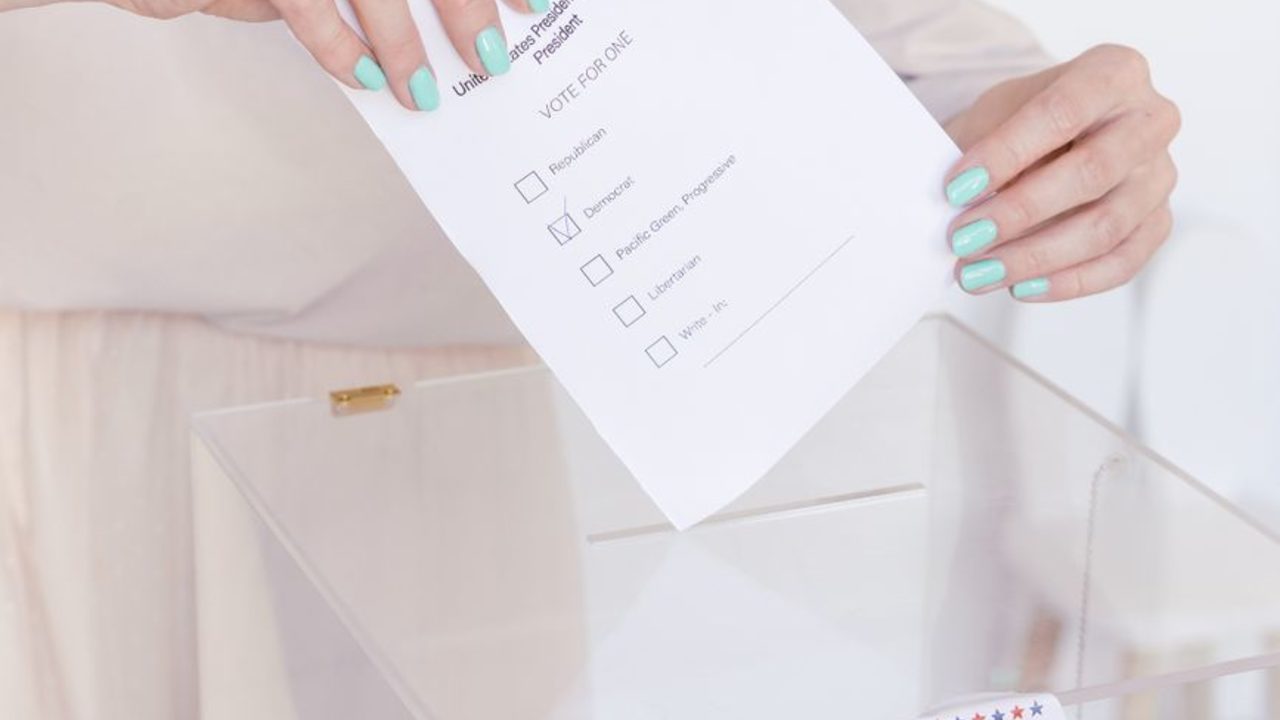
Brazilian President Luiz Inacio Lula da Silva won a fourth term in Sunday's presidential run-off, defeating far-right Sen. Flavio Bolsonaro after finishing second in the first round three weeks earlier, according to Al Jazeera and The Guardian.
Al Jazeera reported that Lula is the first candidate since Brazil returned to democracy in 1985 to win a run-off after placing second in the opening round. Bolsonaro has refused to concede, which leaves the country facing a political dispute over the result.
The numbers behind Lula's comeback
- 51.79% to 48.21%: the final share of valid votes in the run-off, with Lula ahead of Bolsonaro, according to both outlets.
- 64.26 million vs. 59.83 million: the ballots counted for Lula and Bolsonaro, respectively, in the final tally reported by Al Jazeera.
- 47.03% vs. 45.16%: the first-round result on Oct. 4, when Bolsonaro led Lula by approximately 2.2 million votes.
- 80.8%: turnout in the run-off, nearly 2 percentage points above the 78.92% recorded in the first round.
- About 21% to about 19%: the share of the electorate that abstained, falling from the first round to the run-off. An estimated 33.4 million Brazilians stayed home in the first round.
What was behind the turnaround
Analysts quoted by Al Jazeera pointed to several factors. They said Lula's campaign was revitalized by grassroots organizing, mobilization of young voters and a shift toward digital campaigning.
Al Jazeera correspondent Monica Yanakiew said young Brazilians organized themselves online after Bolsonaro's first-round win, forming what became known as “Lula's army.” She said the campaign had not been very energized before the first round.
Gustavo Ribeiro, editor-in-chief of The Brazilian Report, told Al Jazeera that Lula's team had initially acted as if the election were already won and ran a largely offline campaign. He said it then pivoted to digital and grassroots work and used the advantages of being the incumbent to good effect.
Experts also pointed to Bolsonaro's own missteps. Vinicius G. Rodrigues Vieira, a professor at the Armando Alvares Penteado Foundation, said the senator behaved like the president-elect in the first week after the opening round, including by appointing ministers. Vieira argued that Brazilian voters dislike arrogance. Ribeiro said Bolsonaro lacks his father's charisma and ran largely on the family name.
Higher turnout also appeared to help. Fernando Brancoli, a professor at the Federal University of Rio de Janeiro, said many people who skipped the first round voted in the second. He also suggested some first-round Bolsonaro voters may have switched to Lula, though detailed voting patterns remain unclear.
The dispute over the result
According to Al Jazeera, Bolsonaro called for the run-off result to be annulled after Supreme Court Justice Cristiano Zanin ordered voting to be extended by two hours. Both candidates had requested an extension, citing transport disruptions and severe weather.
The standoff recalls 2022, when Flavio Bolsonaro's father, Jair Bolsonaro, refused to accept defeat. Jair Bolsonaro was later convicted of plotting a coup and sentenced to 27 years in prison, which he is serving under house arrest, Al Jazeera reported.
Experts told the outlet that Flavio Bolsonaro faces significant obstacles. Vieira said the legal arguments are weak, particularly because Bolsonaro's own campaign had requested the extension. He added that the dispute could still help keep the far-right movement politically strong on the streets.
Why it matters
Al Jazeera described Lula's win as a significant setback for the right-wing political movement that has gained ground across Latin America, often with the backing of U.S. President Donald Trump. The Guardian said the result bucks that regional trend.
For Brazilians, Vieira called the election one of the most consequential in the country's history. He said the constitutional framework built after the 21-year dictatorship ended in 1985 has given the population more social rights than at any other time, in a country that still has high levels of inequality. He argued that keeping political participation high is crucial.
Lula, who turns 81 on Tuesday, told supporters at a victory parade in Sao Paulo that the fight continues. He said the president-elect must govern for everyone, including those who do not like him.
Around Prague, based on reporting by Al Jazeera, The Guardian