Poll Suggests Netanyahu's Right-Wing Bloc Could Fall Short in Israel's Vote
USD 21,65
Popular
A new poll suggests Prime Minister Benjamin Netanyahu's right-wing bloc is unlikely to keep its majority in Israel's election on Oct. 27, according to The Independent. The survey also finds that his opponents do not have a clear path to power, so the vote could end without a winner able to form a government.
The preliminary poll was conducted by Agam Labs together with Hebrew University and surveyed 4,000 Israelis, The Independent reported.
The numbers behind the poll
- 120: the seats in the Knesset, Israel's parliament. About three million voters will choose among parties rather than individual politicians.
- 61: the seats needed for a majority. No party has ever won that many alone, so Israel regularly relies on coalition governments.
- 3.25 per cent: the share of the national vote a party must win to enter parliament.
- 52-54: the seats the poll gives the right-wing bloc in its most likely scenario, short of a majority. Likud is projected at 19 seats and Shas at six.
- 20: the seats projected for the opposition list led by Gadi Eisenkot, the largest total in the poll.
- 15-18: the seats Arab parties could win in the alternative scenario in which neither “third bloc” party clears the threshold.
How the current government compares
The Independent said Netanyahu's coalition currently controls 60 seats, while the opposition holds 59 and one seat is unaffiliated. Likud has 32 seats, Shas has 11, Religious Zionism has seven, Otzma Yehudit has six and New Hope has four.
In the poll's most likely scenario, the right-wing bloc falls to between 52 and 54 seats. The poll also expects the party Amcha to clear the threshold and join that bloc. Eisenkot's list would win the most seats, but the liberal parties it could ally with are forecast to collect fewer votes combined than the right-wing parties.
That leaves Netanyahu short of a majority. According to the report, he might then have to turn to The Reservists and the Economic Party, a centre-right group that presents itself as a “third bloc.”
Why it matters
The result could decide whether Israel gets a stable government or another election. Dr. Nimrod Nir of Agam Labs told The Independent that neither bloc is likely to secure a governing majority. He listed three possible outcomes: a unity government that brings Netanyahu together with more liberal parties, an alternative coalition backed by Arab parties, or yet another election.
Nir described Netanyahu keeping his current coalition as the outcome that looks increasingly unlikely. He added that this does not give his opponents an easy route to power, saying that “the real political drama will begin the morning after the election.”
The poll also looked at two other scenarios. If only one “third bloc” party clears the threshold, both the right-wing and liberal blocs fall short of a majority. That would raise the number of seats Arab parties could win, which might be enough to tip the balance toward either side.
If both Amcha and The Reservists miss the threshold, the right-wing group would have 51 to 54 seats and the liberal group 50 to 54, while Arab parties would have 15 to 18. The lack of a clear coalition in that case could trigger another election, according to the report.
What happens next
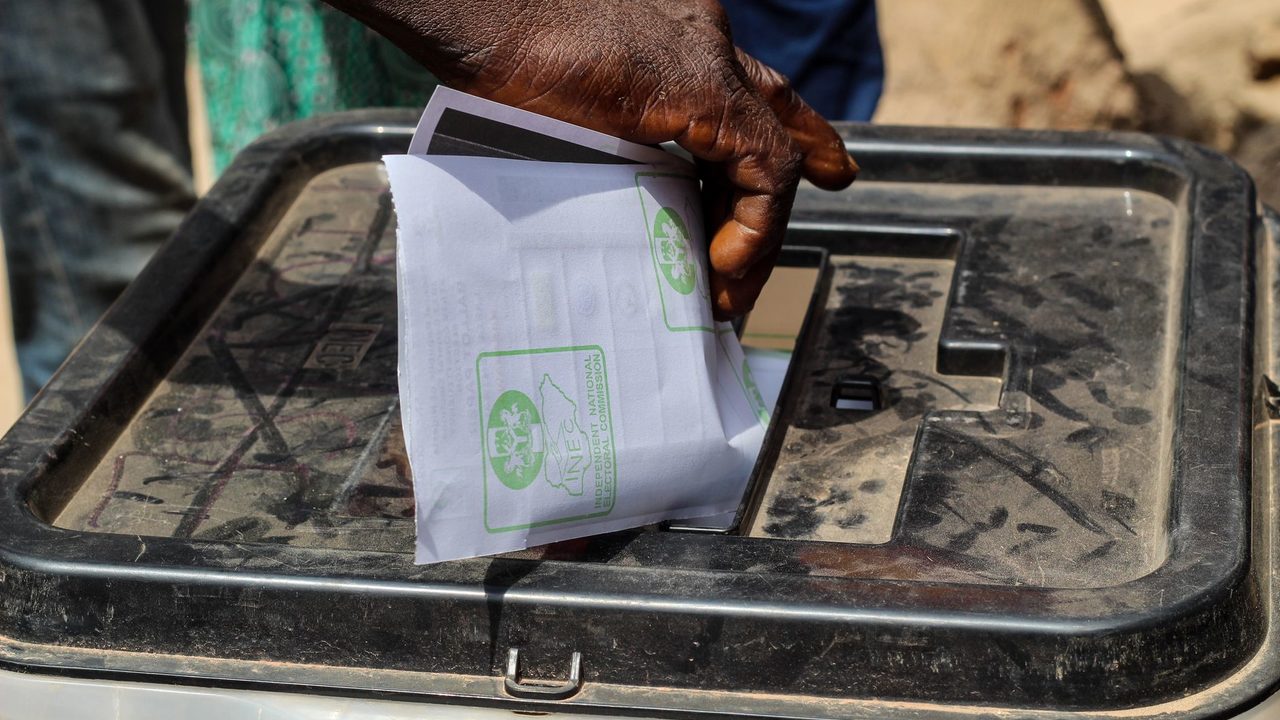
Voters go to the polls on Oct. 27. Publishing election polls becomes illegal in Israel after Friday, and the ban extends to social media and direct messages to voters, The Independent reported. After the vote, the focus shifts to coalition talks, where the numbers above will determine which combinations of parties are even possible.
Around Prague, based on reporting by The Independent