Tanzania Opposition Leader Tundu Lissu Ends Short Hunger Strike in Jail
USD 21,83
Popular
Tanzanian opposition leader Tundu Lissu ended a brief hunger strike on Tuesday after prison authorities let him meet privately with his younger brother, his lead lawyer, Rugemeleza Nshala, told The Associated Press. The protest lasted only part of a day, but it drew fresh attention to the conditions of a politically charged treason case that is nearing a verdict.
Lissu leads Chadema, Tanzania's main opposition party. A final judgment in his case is scheduled for Nov. 6, and the treason charge he faces carries a possible death sentence, according to ABC News, which carried the AP report.
What happened during the strike
According to Nshala, Lissu had planned to start refusing food on Monday to protest limits on confidential meetings with his lawyers that a court had ordered. He held off after prison authorities promised him private access. When those meetings did not happen, Nshala said, Lissu began the strike on Tuesday morning and skipped tea, breakfast and lunch. He stopped after lunch, once the meeting with his brother took place.
Accounts differ on the details. Al Jazeera reported that Chadema spokesperson Brenda Rupia wrote on X that the strike began on Monday, after his lawyers were turned away at the prison. Al Jazeera also reported that Tanzania's prisons service denied the reports, telling the Swahili-language newspaper Mwananchi that Lissu was safe and not on a hunger strike. According to ABC News, neither prison authorities nor the government had made a public statement.
Nshala said on Saturday that guards had at times blocked access to Lissu entirely. He also voiced concern about Lissu's health, since Lissu depends on medication.
How the case got here
- 2017: Lissu survived an assassination attempt in which he was shot 16 times. He later spent periods in exile, saying his life was under threat.
- 2020: Al Jazeera reported that he came second in the presidential election.
- April 9, 2025: He was arrested after speaking at a rally that called for electoral reforms ahead of the general election. He was charged with treason the next day.
- May 2025: He went on an earlier hunger strike, protesting a requirement to appear in court by video link instead of in person.
- Oct. 29, 2025: Tanzania held its general election. Presidential candidates from the two main opposition parties had been barred from running, and the vote was followed by protests and deadly violence.
- April: A government-appointed inquiry into the violence concluded that at least 518 people died.
Prosecutors say the treason charge stems from a speech urging the public to rebel and disrupt the election, Al Jazeera reported. Lissu has pleaded not guilty, and his lawyers say the case is politically motivated.
Why it matters: the stakes around the Nov. 6 judgment
The episode shows how much of the dispute now turns on basic access: whether a defendant facing a possible death sentence can speak confidentially with his lawyers before a final ruling. Lissu has been held for more than 18 months, and the confidential consultations were ordered by a court, which is why their restriction became the trigger for his protest.
The case also feeds a wider debate over the human rights record of President Samia Suluhu Hassan, who won the 2025 election, according to Al Jazeera. Her government has rejected accusations of widespread abuses and says it is committed to respecting human rights. It ordered an investigation into reports of abductions of critics in 2024, but no official findings have been made public.
The death toll from the election violence remains contested. The inquiry's chairman, Mohamed Chande Othman, said the true figure was probably higher than 518 because some families buried relatives without taking bodies to morgues. Chadema puts the toll at about 2,000, a figure the United Nations said it could not verify amid insecurity and an internet shutdown during the election period. The U.N. has also called for an investigation into the killings and into reports that police moved bodies from mortuaries to undisclosed locations.
What happens next
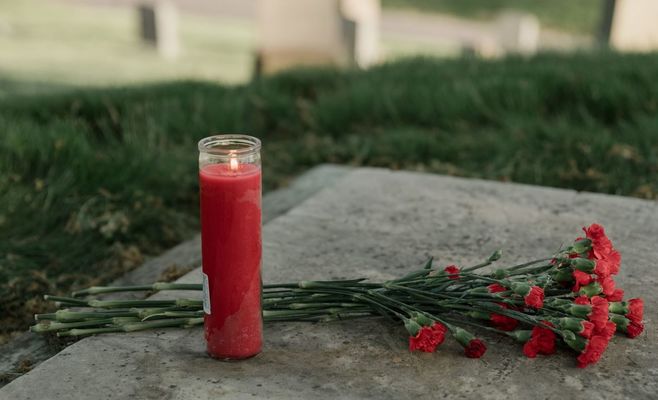
Chadema announced seven days of mourning running from Thursday through Nov. 4, ahead of the anniversary of the Oct. 29 election. Party flags will fly at half-mast, Secretary-General John Mnyika told journalists in Dar es Salaam, and he called for an independent investigation involving international bodies and independent Tanzanian stakeholders.
The mourning period ends two days before the judgment in Lissu's treason case, due Nov. 6.
Around Prague, based on reporting by ABC News, Al Jazeera