Bangladesh Garment Workers Clash With Police Over Minimum Wage Demands
USD 22,18
Popular
Police in Bangladesh clashed on Wednesday with thousands of garment workers who are demanding higher wages, as weekslong unrest continues to disrupt the country's main export industry, according to ABC News and Euronews, which cited police and media reports.
The industry earns about $40 billion a year from exports. Factory closures and street battles have become routine in recent weeks, the reports said, and a government effort to set a new wage package has not calmed the protesters.
What happened on Wednesday
Local media reported that around 20,000 workers at one garment factory took to the streets and blocked the Dhaka-Aricha Highway in Savar, outside the capital. Police used tear gas and stun grenades and charged at the crowd with batons to disperse it. It was not immediately clear how many people were hurt.
The violence spread to nearby Ashulia, the Daily Star newspaper reported. Local police chief Saiful Alam said officers acted after protesting workers blocked the highway and threw stones at them. Police said about 25 factories were closed in Ashulia because of the unrest.
Violence was also reported in Gazipur district, a major industrial zone outside Dhaka. Protesters there blocked the Dhaka-Mymensingh highway and set fire to a police vehicle, and police again fired tear gas and stun grenades.
What the workers are asking for
Workers want a minimum monthly wage of 30,000 takas ($236), up from the current 12,500 takas ($98). They say rising living costs and inflation have eroded what their pay can buy.
The government has formed a board to set a new wage package, but the reports said its efforts have failed to appease the protesters. The Bangladesh Garment Manufacturers and Exporters Association and the Bangladesh Knitwear Manufacturers and Exporters Association have demanded protection for their factories.
Why it matters for workers and the industry
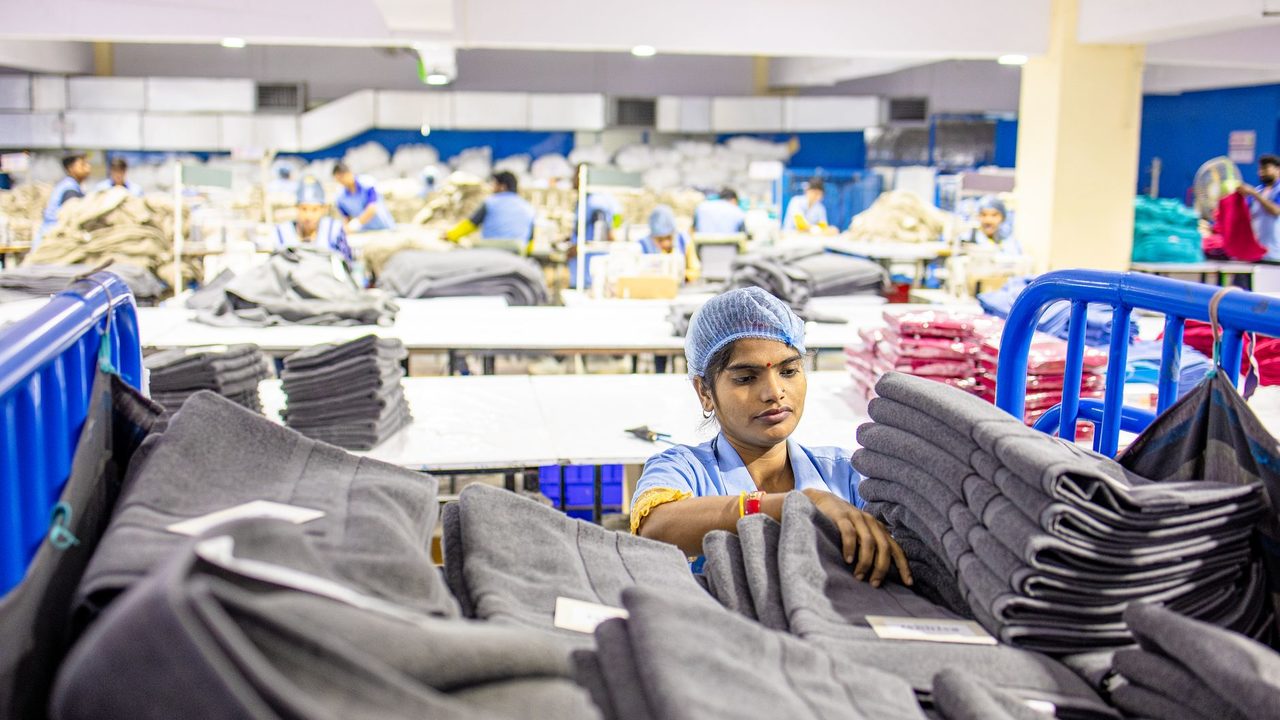
About 4 million people, mostly women from rural Bangladesh, work directly in the industry, which has around 2,500 garment factories. Its backward linkage industry, which supplies the sector, employs a few million more, according to the reports.
For workers, the closures carry a direct cost. Many factories have stayed shut under a “no work, no pay” provision in labor law, which allows owners to suspend operations during unrest. That means workers who are kept out of closed factories may not be paid for the time lost.
For the industry, the repeated shutdowns and the blocking of major highways disrupt production in a sector that is the country's main source of export earnings. The reports did not say how the disruptions have affected specific orders or buyers.
What remains unresolved
The wage board has not yet produced a package that satisfies the protesters, and the reports gave no date for a decision. The gap between the current minimum of 12,500 takas and the demanded 30,000 takas remains wide, and protests that intensified earlier this month show no sign of ending, according to the reports.