Gaza satellite images show about 82% of buildings damaged in 3 years
USD 21,81
Popular
On Wednesday, Israel marked three years since the deadliest terrorist attack in its history. Google satellite images show the scale of destruction in the Gaza Strip: according to UNRWA, the UN agency for Palestinian refugees, about 82 percent of structures have been damaged.
The Hamas attack claimed the lives of about 1,200 people, and another 251 were taken to the Gaza Strip. The military response has killed more than 74,000 people, according to the Hamas-controlled health ministry; the UN considers these figures credible.
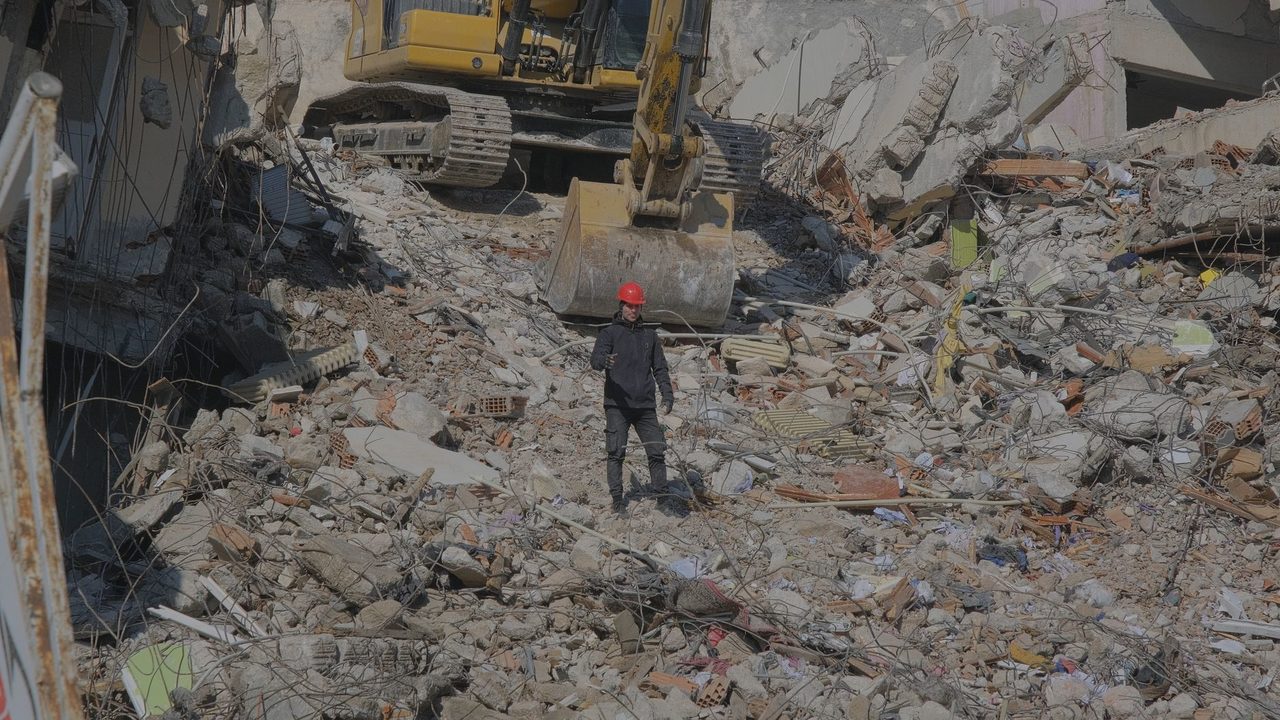
The scale of destruction
The damage affects roughly 200,000 buildings, about two thirds of them completely destroyed, according to the British press. A recent UN assessment found that the number of destroyed buildings has risen by a further nine percent since the ceasefire in October 2025. Today more than 2.1 million displaced people are living in tents and temporary shelters.
What the before-and-after images show
The centre of Gaza City is heavily destroyed, with tents and temporary shelters springing up between the surviving buildings. The Jabalia area, home to the Strip's largest refugee camp in 2023, is now uninhabitable.
The Rimal district, the city's wealthiest and usually its calmest, was home to telecommunications companies, banks and buildings of the Islamic University of Gaza. The once-bustling port with its fishing boats has become a refuge for thousands of displaced Palestinians, and large tent camps stand along the coast next to the ruins.
Al-Shifa Hospital, the Strip's largest medical centre, has suffered from repeated fighting around it. Khan Younis in the south is heavily destroyed, and the Tel al-Sultan area, where a refugee camp stood, has been wiped off the map along with an archaeological site on UNESCO's World Heritage list. The city of Rafah has been almost levelled: tents and structures now stand on the pitch of the local stadium.
Source: seznamzpravy.cz