Two Helicopters Collide Near Everest Base Camp in Nepal, Killing One Tourist
USD 21,71
Popular
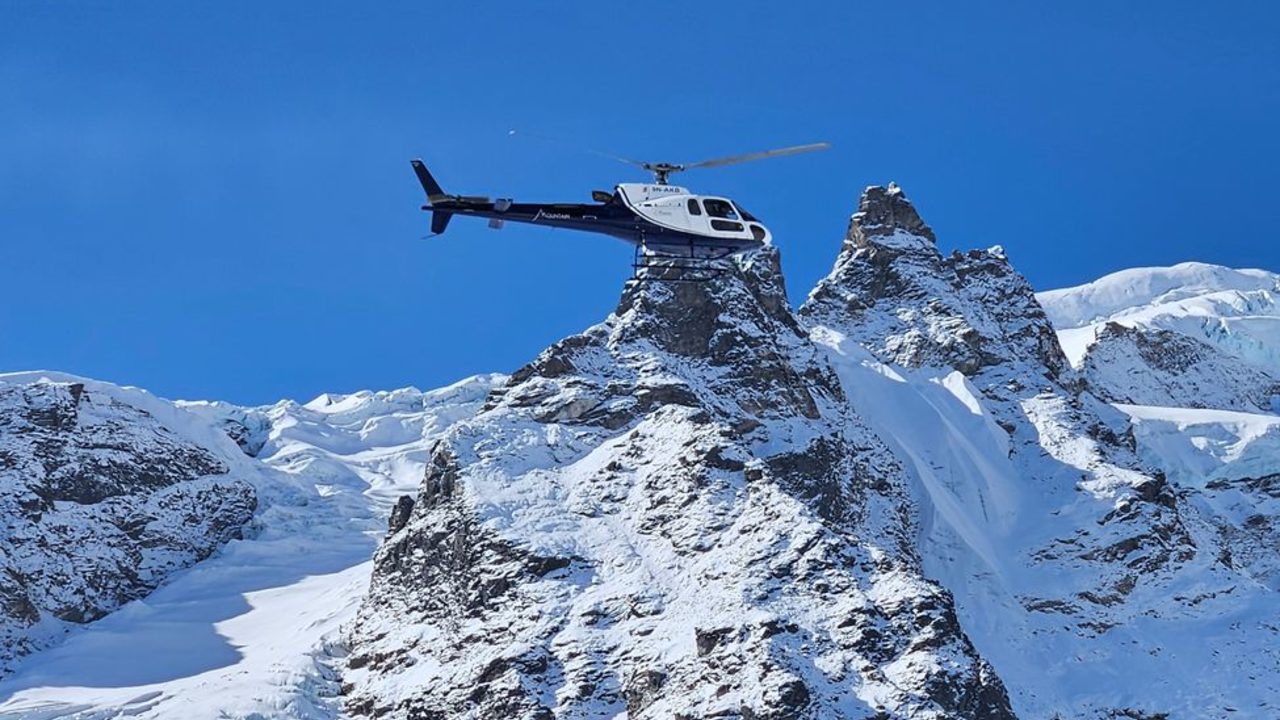
Two helicopters collided on Tuesday as they tried to land just below Mount Everest's base camp in Nepal, killing at least one person and injuring two others, according to ABC News and Al Jazeera. Both outlets cited officials in reporting the toll.
The aircraft were bringing down trekkers who had hiked toward base camp during the country's busy autumn trekking season. The dead passenger was a tourist from India, and the crash is a reminder of how much the Everest region depends on air transport.
What happened at Pheriche
The collision happened at Pheriche village, which sits at 4,200 meters (13,780 feet) above sea level, as both helicopters were attempting to land. Al Jazeera reported that footage posted online shows more than a dozen people running to safety as the aircraft hit the ground after the collision.
Bhupendra Thapa, a district administration officer in Solukhumbu, said the person killed was a 47-year-old tourist from India, according to ABC News. Al Jazeera likewise reported that authorities confirmed the victim's age and nationality.
Two people were hurt. A passenger from New Zealand was being taken to the capital, Kathmandu, for treatment, ABC News reported. A Nepali pilot was also injured but was treated locally.
It was not clear how many people were aboard the two helicopters, and the number of people on board has not been confirmed. The cause of the collision has not been disclosed, and the death toll is given as at least one.
Why helicopters are essential on Everest
There are no roads in the Everest region. According to ABC News and Al Jazeera, helicopters are therefore the only practical way to bring out trekkers and guides who fall sick or become exhausted in the cold and thin air at high altitude. Al Jazeera added that temperatures on the mountain always remain below freezing.
The Everest base camp trek can take up to two weeks, according to ABC News. It runs from Lukla, which has the only airstrip in the area, to base camp at 5,300 meters (17,380 feet). The route is especially popular in the fall, after the rainy season ends and before the harsh winter months begin.
What this means for trekkers and the region
For people planning or taking part in treks, the crash highlights a basic fact of the Everest route: when something goes wrong high on the trail, there is no road out, and aircraft are the main way to reach help.
The timing also matters. ABC News reported that heavy snow had covered the route before the weather improved on Sunday, after which thousands of trekkers were able to move around. That means the area was crowded with hikers during a period when helicopter flights were likely to be in demand. The cause of the collision was not disclosed.
What is known and what is not
- Confirmed: At least one person died and two were injured when two helicopters collided at Pheriche.
- Victims: The dead person was a 47-year-old tourist from India. A New Zealand passenger and a Nepali pilot were hurt.
- Unclear: How many people were on board both aircraft, and what caused the collision.
Both aircraft were trying to land at the same village at the same time when they collided, and the number of people on each remains unconfirmed.
Around Prague, based on reporting by ABC News, Al Jazeera, BBC News