UK Covid Inquiry Says Testing and Border Failures Let Virus Spread in 2020
USD 22,22
Popular
A public inquiry into the United Kingdom's response to Covid-19 has found that the country was left “effectively blind” to the spread of the virus in early 2020 because testing was not expanded fast enough, the Evening Standard reported. The report, written by Baroness Heather Hallett, also sharply criticized the government's decision not to bring in wide border controls at the start of the pandemic.
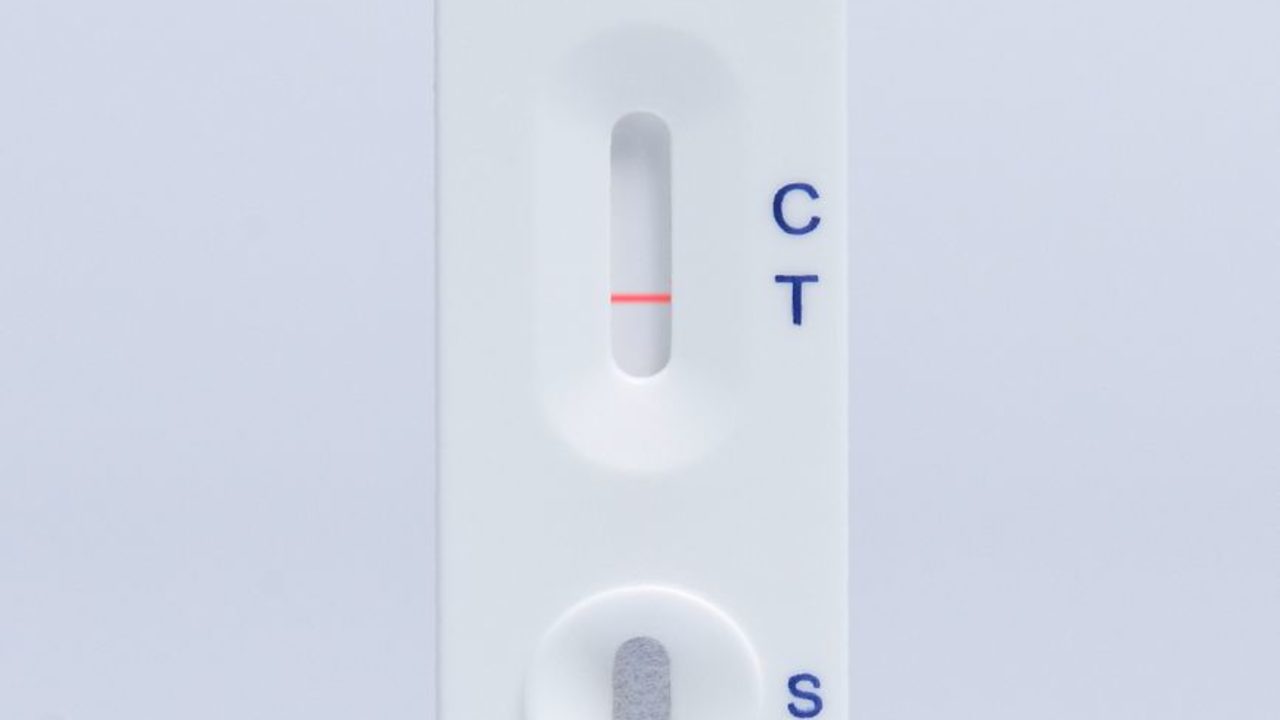
The 245-page report covers the test, trace and isolate response. It says scientists had an effective test by mid-January 2020, yet there was no widespread testing, tracing or isolation for several months, and the virus spread across the country almost unchecked.
How the early months unfolded
- Mid-January 2020: Scientists had developed an effective test, according to the report.
- January 2020: The government asked travelers from Wuhan, China, to self-isolate, but only requested it rather than ordering it.
- February 2020: Travelers from some other high-risk areas were also asked to self-isolate. A coachload of tourists from Wuhan entered the UK and traveled from England to Scotland, then to Northern Ireland and the Republic of Ireland, the report said.
- March 2020: Contact tracing and testing in the community were abandoned, which Hallett attributed to a shortage of tests and equipment and too little capacity to process them.
- April 2020: By this point 93% of countries and territories had measures such as flight suspensions, border closures or travel restrictions to control their borders.
What the report says about testing
Hallett wrote that early efforts to contain the virus were doomed to fail because the system could handle only a relatively small number of cases. As cases rose exponentially, she said, capacity for testing, tracing and isolation was soon overwhelmed. She described the UK as “woefully ill-prepared” to run effective nationwide systems.
The report says that once ministers understood the scale of the crisis, they put considerable time, effort and resources into building a larger system, and that it was extremely effective once in place. It adds that the early effort was held back by poor planning, limited knowledge of what testing capacity already existed in the private and public sectors, and a failure to work with those sectors and with local authorities that had contact tracing expertise.
The inability to test widely also made it more likely that stricter measures, such as lockdowns, would be needed later, the report said.
What the report says about borders
The report called the decision not to introduce widespread border measures from the outset a missed opportunity to slow the spread by reducing imported cases. It said countries including Singapore, South Korea, Germany, Hong Kong and Taiwan acted early to control their borders and had markedly lower death rates than the UK in the first six months of the pandemic.
Hallett said a 14-day self-isolation requirement for all arriving travelers could have had a significant impact. She also argued that suspending all flights from China to the UK in February 2020 might have bought extra time to prepare healthcare systems. According to UK government statistics cited in the report, about 6.8 million people arrived in the UK by air in February 2020 and 3.8 million in March 2020.
Why it matters for people who were told to isolate
The findings reach beyond government planning to how the rules worked for ordinary people. The report says many people who were told to isolate felt forgotten and let down by a lack of practical or financial support. Hallett said she heard distressing accounts from people who had to choose between self-isolating and losing income, or going to work and risking passing on the virus.
Many people could not access the system meant to protect them, she said, so it was unsurprising that compliance with self-isolation was low. The report calls these difficulties foreseeable and says planning for financial and practical support was inadequate.
Hallett also noted the human cost of the pandemic, saying too many lives were cut short, many people died without loved ones around them, and some people still live with the consequences. She said that with proper planning, clear communication and a unified strategy, a robust and scalable test, trace and isolate system is possible, and that such a system could slow the next deadly virus and ease pressure on healthcare services.
Around Prague, based on reporting by Evening Standard