Student protests in France: what young Parisians are demanding
USD 21,75
Popular
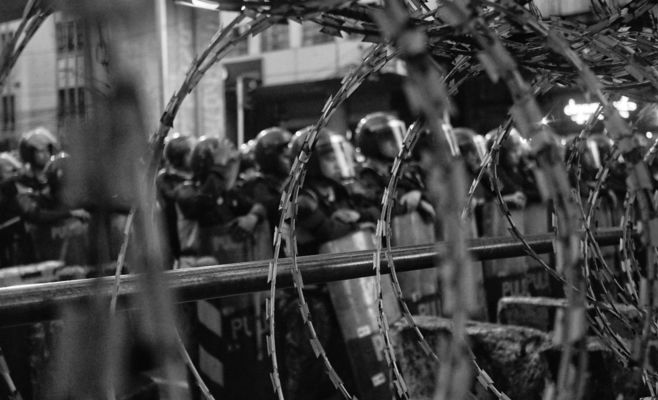
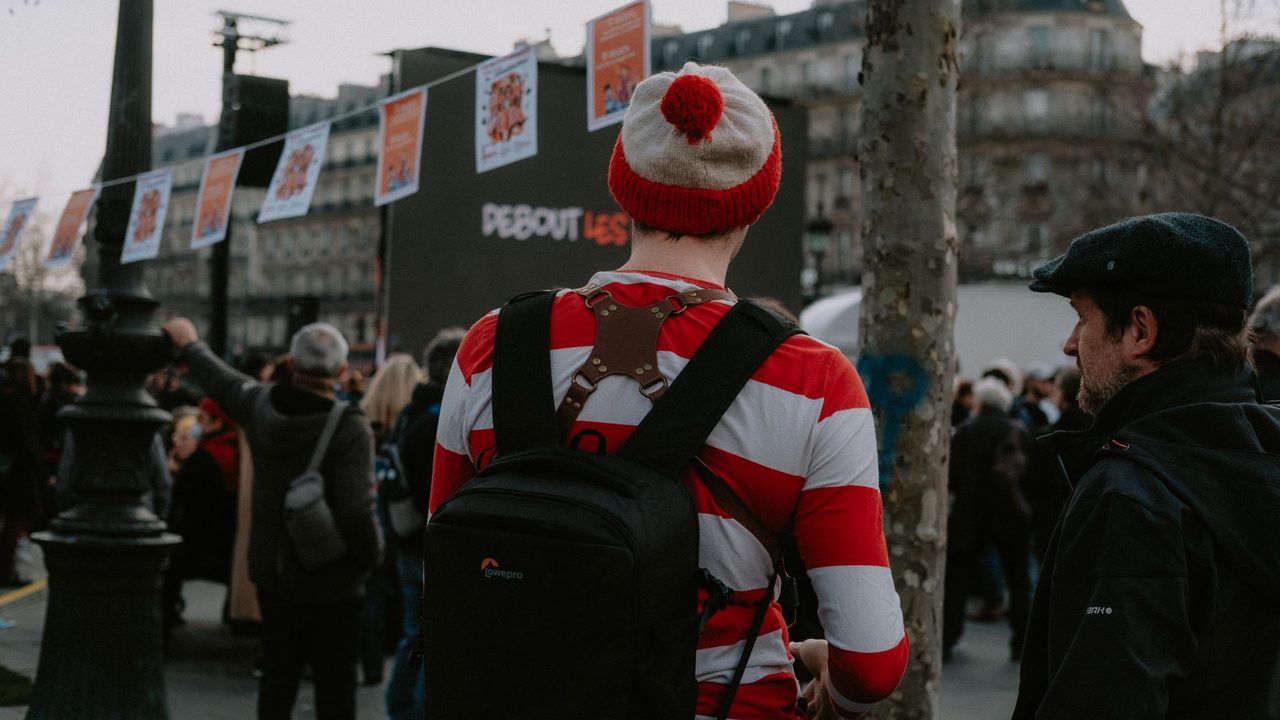
Student protests have been shaking France for several weeks, and last week large demonstrations took place in Paris. The next rally in the capital is scheduled for Tuesday. Correspondents in France spoke to young Parisians: each has their own reasons for taking to the streets, but they share one thing — a feeling that those in power are not listening to them.
Schoolchildren: chaos, rats and no teachers
“It’s total chaos in the lycées,” says a group of 15- and 16-year-olds that includes Leyna, Chelsea and Aliyah. They attend a school on the outskirts of Paris and face the very problems that set off the mass protests across the country. “There are rats and mice in our canteen. We see them all the time,” they say.
The school is short of teachers. “Some pupils went half a year without a teacher. Final-year students spent six months without a French teacher, even though they had a French exam at the end of the year. It’s completely absurd,” the teenagers say. They are also angry about the gap between schools like theirs and those in the city centre: “It’s not normal that Parisian schools get more funding than ours, where there are huge problems.”
Like many protesters, they are convinced that the government does not listen to them. Their placards carry slogans such as “The state is a piece of work” and “Macron is the opium of the people” (a nod to Karl Marx’s famous phrase). The pupils are also angry that the education ministry is busy with students’ mobile phones rather than real problems, and about how politicians handle money: people who can run for president despite a conviction for embezzling public funds are in power — a hint at the case of presidential candidate Marine Le Pen.
University students: money goes to the wrong places
Criticism of the authorities is also heard from university students, who are increasingly joining what began as a school protest. “The state takes money from the budget and diverts it to other priorities — above all the police and commercial sectors. And students pay the price,” says 18-year-old Anaël, holding a placard reading “I rebel, therefore I am” (a reference to Descartes).
He and Roxane study at a university in the Paris region, where the situation is less dramatic and the main problem is a shortage of lecturers. But, they say, this too shows a policy that is not working: “Our school functions well, others can barely function at all.” By taking part, they want to support less privileged students.
For them, the protests are inseparable from the approaching presidential election. They have already decided whom to vote for: “Only the left is left. The right isn’t interested in ordinary people at all.” In their view, the only force standing against crushing capitalism is presidential candidate Jean-Luc Mélenchon’s La France Insoumise.
Lycée pupils against Le Pen
“National Rally, you shall not pass!” reads the placard of 17-year-olds Montan and Capucine, whose school is near the Place de la Bastille. It is Gandalf’s famous line from The Lord of the Rings, but here it is aimed at Marine Le Pen’s far-right party, which has a chance of winning the presidential election in the spring.
“For us and many others, this party is a threat to democracy. You can see it in the examples of the US or Hungary,” they say, referring to Donald Trump and Viktor Orbán. They fear that Le Pen would cut social support, help the rich and reduce funding for schools and hospitals.
They themselves hardly feel the problems of pupils from the suburbs, but they are outraged by growing inequality. “Some schools in disadvantaged neighbourhoods are literally falling apart. Many pupils simply have no teachers, and lessons get cancelled. The state does nothing to help them.” They say: “We feel like we have no future on this planet. The planet is burning, and our schools are falling apart.”
Female students: an education but no job
“We’ve reached the point where everyone has really had enough. There’s a lot of accumulated frustration,” say Colin and Irène, students of literature and film. Their placards read “Sorry, which level of hell is this?” and ACAB (“all cops are bastards”).
They came to the Place de la Bastille to support the schoolchildren who have been blockading school buildings for several weeks. But they have plenty of reasons to be unhappy themselves. “It’s hard to find a job, even if you trained in a field everyone presented as the best path. Right now a third of young people are unemployed, and these are not people with insufficient qualifications. Quite the opposite.”
The young women are also outraged by politics: young people have no voice. “The left united and won the parliamentary elections, but our president still appointed people from his own camp or from the right. He says he is keeping the far right out of power, but in fact he is clearing the way for them. We feel betrayed,” they say.
They admit that many young French people do not vote, which is why they take to the streets — to show that they care about politics and that the country’s future matters to them.
Source: seznamzpravy.cz