People By

David Chmelař: turning AI's threat into revenue at Heureka
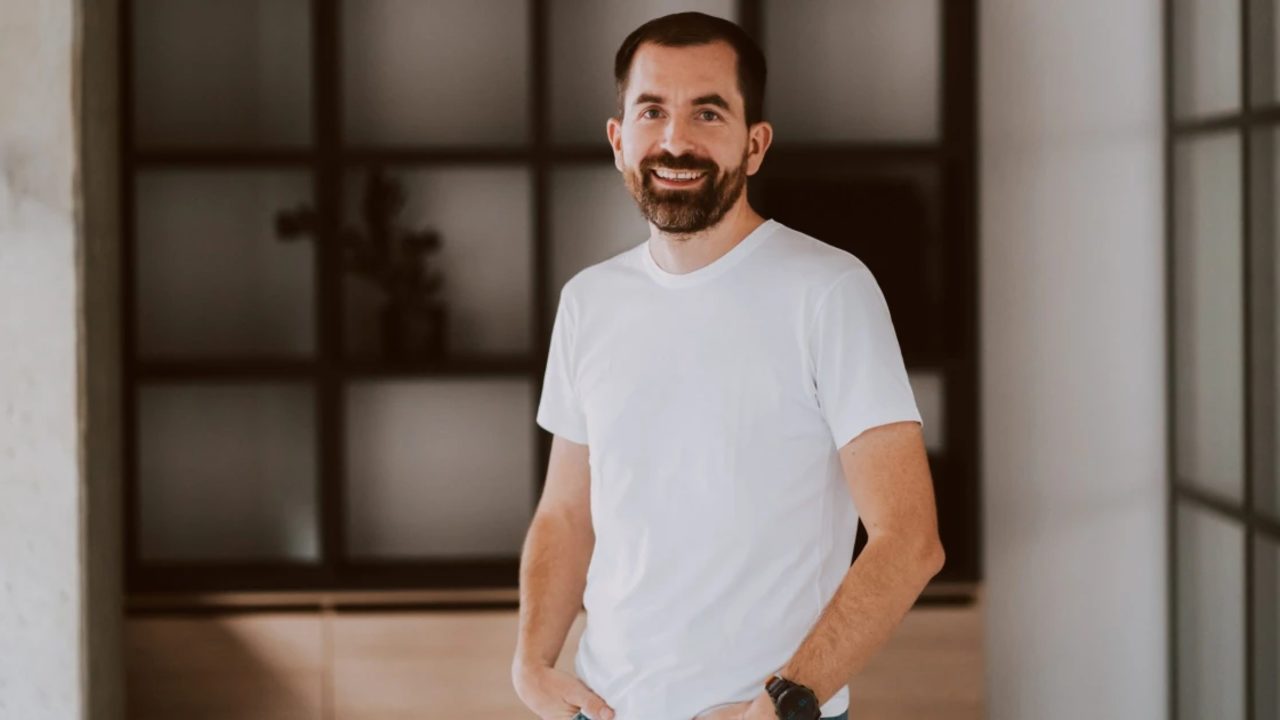
David Chmelař: how Heureka

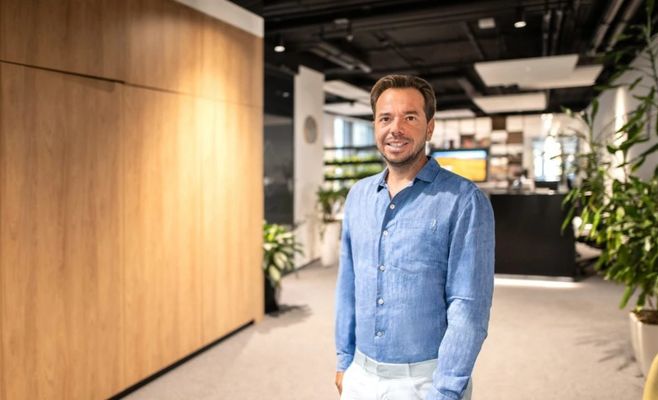
Three years ago, many were predicting a swift death for the Czech price-comparison site Heureka under the onslaught of artificial intelligence. But David Chmelař, who took over the company shortly before the boom in language models, is convinced: AI isn't a killer but an ally, one capable of bringing Heureka a “golden era.”

According to Chmelař, around half of people who shop online already use AI in some way when choosing what to buy — not at the purchase stage, but earlier, when they're looking for ideas. Users ask ChatGPT, Gemini or Perplexity, for instance, which stroller would suit them, and get detailed, context-aware recommendations.

The problem, in the view of Heureka's CEO, starts right where the shopper needs to move on to actually buying something. Language models are built first and foremost for large markets — the US and potentially China — and for universal use cases that look the same everywhere, like programming. E-commerce, by contrast, he says, is intensely local: Czechia alone has around 50,000 online stores, a unique environment that's hard for outside models to navigate.

This, Chmelař believes, is exactly where Heureka's new role comes in. According to a study of more than a million AI-model queries, the service is the fourth most frequently cited source for ChatGPT, behind only Wikipedia and Reddit, and it ranks second in Perplexity. “The models aren't confident about the Czech market, it's opaque to them. That's why we're seen as an authoritative source with a huge trove of unique data,” he explains.

What's at stake specifically are data sets that ordinary AI web-crawling can't reach — precise information, for example, about stock levels and colour availability at specific stores. It's on monetising exactly this kind of data that Chmelař is building the company's future business model. Right now, the online stores themselves pay to be listed on Heureka, but in future, he expects, big AI companies will join them, using the service as a “pass-through” source of data on the Czech market.

According to Heureka's CEO, this benefits both sides: the company monetises data that's hard to gather, while AI models get precise, up-to-date recommendations for their users. As an analogy, he points to Sportradar, which tracks the results of 80 million sporting matches a year and already has contracts worth hundreds of millions with major AI players — deals over e-commerce data, Chmelař believes, could work the same way in the future.

That said, he admits, for services like Heureka worldwide this will mean the end of their familiar shape: full-fledged shopping websites will give way to dynamic interfaces and plug-ins, where even the company's own brand may go unnoticed by the end user.

Share: Telegram WhatsApp

Related news

Ten years ago, brothers Tomáš and Marek Vaněček from Ostrava were simply filming videos on how to jump rope properly. Today their venture Švihej turns over roughly 40 million crowns a year, and they've introduced skipping to more than 150,0
Confin Development co-founders Jakub Jaroš and Lukáš Kobrle are turning an ordinary housing project in Mirotice into a pilot for a new line of business: homes for elderly people with dementia. Alongside the usual family houses, a 5,500-squa
Venture investor Jan Staněk, managing partner of the Brno-based fund Purple Ventures, shared the key lessons he has learned from working with hundreds of Czech and foreign startups. His main advice to founders: build a prototype as quickly
Bára Šimůnková and Michal Bílek, the owners of Prague restaurant Leaf, have taken a radical step: turning their establishment into the Czech Republic’s first vegetarian fine-dining restaurant by dropping meat altogether. The decision had be
The former head of the food-delivery service Dáme jídlo (later renamed Foodora), Filip Fingl, has launched a venture fund, IP Lab Ventures Fund, which has secured 656 million crowns from the European Investment Fund (EIF) with support from
The founder and owner of the Czech glass company Lasvit, Leon Jakimic, has told the story of how a small firm from Nový Bor grew into a brand with roughly 1.4 billion crowns in revenue and twelve studios around the world, working with Hermè
Domoplan, a Brno-based developer led by Tomáš Vavřík, has decided to try out the live-work concept on the Czech market — selling flats bundled with commercial space on the ground floor of the same building. An idea popular in New York and L
The Sev.en Global Investments group, owned by Czech billionaire Pavel Tykac, reported a net profit of 38 million euros (roughly 930 million crowns) for last year, reversing a loss of 52 million euros the year before.Operating profit (EBITDA
Czech startup FTMO has pulled off a deal few expected from a local company: it acquired OANDA, one of the world’s oldest and most respected brokers, regulated by eight different authorities across multiple jurisdictions. FTMO’s chief operat
David Reichon, chef at Prague’s Marriott hotel, has walked away from the usual hotel-kitchen role and turned the Artisan restaurant into a project with a character all its own — built on farm produce, fermentation and a rooftop garden. Now
Architect Jan Bek, founder of the studio BekArch, has completed 2Peaks in the Ore Mountains — a two-building complex of six apartments with views of Klínovec and Fichtelberg. Construction cost in the tens of millions of crowns, and a year i
Petr Pujman has spent 15 years running KKCG Real Estate, the development arm of Czech billionaire Karel Komárek's business empire. After a string of Prague projects, the company is now betting on expansion into London: it recently bought an