Hopi's David Piškanin: my children must prove themselves first
USD 21,65
Popular
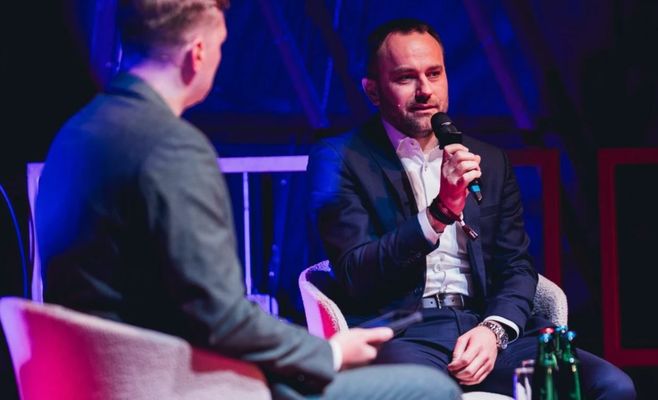
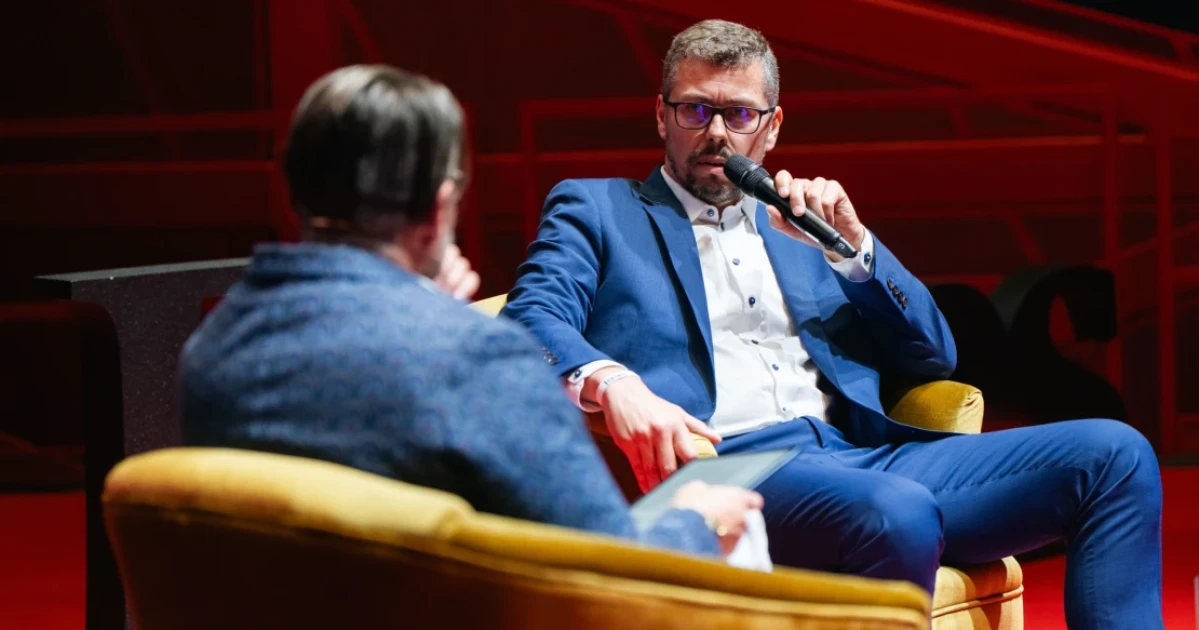
David Piškanin, who took over the family logistics group Hopi from his father, spoke at Forbes Misfits Night in Karlovy Vary about why a company should never feel “finished” — and why his own children's path into the business is closed until they've proven themselves elsewhere.
Beyond logistics and warehousing, under Piškanin's leadership the Hopi group has been actively expanding into new areas — food production (through the Holandia brand), agriculture and other ventures. According to him, all of these have a single purpose: keeping the company from ever standing still.
“We always want to stay a start-up. A start-up isn't about the size of a company, it's a mindset. The moment you start thinking you already know everything and are just managing what you've built — that's the beginning of the end,” the entrepreneur says.
Piškanin applies the same approach to investing: for him, the person behind a project matters far more than the product itself. A good idea, he says, isn't the hard part — what's far harder is carrying the risk behind it for years and seeing it through to success. “There are countless ideas, but execution is what decides. It's just as important for a person to have skin in the game — their own stake in the venture. If they risk nothing, it's hard to tell how much they truly believe in what they're doing,” he explains.
The businessman devoted a separate part of his talk to a question relevant to most successful family companies — how to keep a business running smoothly through a change of generations. At Hopi, long before it was actually needed, the family put clear rules in place: a family constitution, a division of authority, and mechanisms for resolving disputes. This, he says, is exactly what allows the company to rely on agreed-upon principles rather than emotions.
Piškanin admits he's glad his children are interested in continuing the family business, but is firmly against letting the family name smooth their way. “First they need to achieve something outside our company. I need them to gain their own experience, make their own mistakes, and build something themselves. Only then does it make sense to talk about whether they'd ever want to come back,” he stresses.
Another important theme is giving up sole leadership. Today Hopi isn't run by one person but by three — Piškanin himself, his brother, and a long-time colleague, each with different views on risk and decision-making. It's precisely the clash of differing opinions, he says, that helps avoid a situation where someone “falls in love” with a project that no longer makes economic sense.
Just as important, Piškanin says, is knowing how to set your own ego aside: “Early in a company's life cycle, a strong ego adds value — you need to make fast decisions and push the business forward. But as the company grows, management needs less ‘I’ and far more ‘we’. Otherwise you kill the potential of the people around you, and they stop wanting to work with you.”