Jakub Rochlic of eToro: success means separating fact from noise
USD 21,65
Popular
eToro analyst Jakub Rochlic believes that access to investing has grown many times over — but so has the responsibility of investors themselves, and of the platforms that open the door to capital markets for them. Today Rochlic is the most-copied Slovak investor on eToro and a member of its global team of analysts.
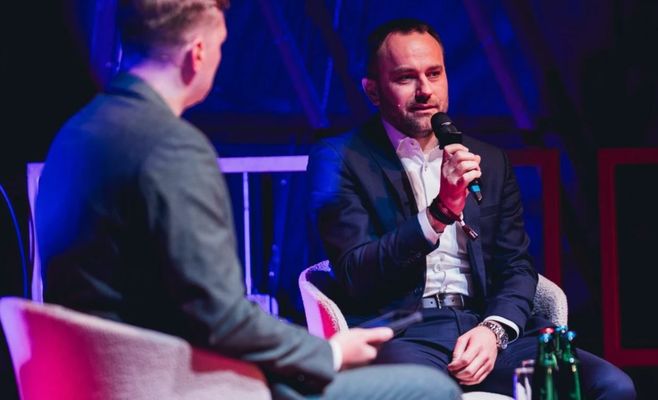
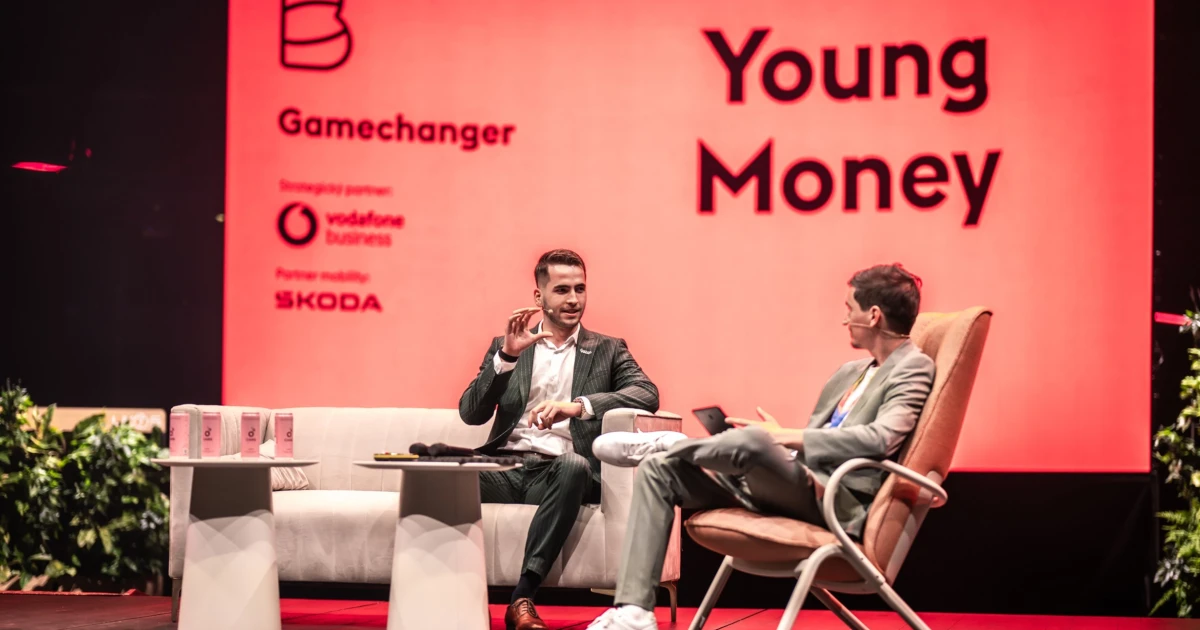
Speaking at Forbes Business Fest, Rochlic noted that eToro’s mission is to lower the barriers to entry into investing. “Retail investors are gaining more and more influence in the markets. Investing is no longer a game reserved for institutions or big Wall Street players — it is becoming democratized and accessible to all of us,” he explained.
According to him, as accessibility grows, so does responsibility — not only for investors themselves, but also for the platforms, which must help people understand the risks of specific instruments and how well a product matches their experience and goals. Analysts and the media bear a similar responsibility: social media has fundamentally changed the way people think about investing, and alongside quality analysis it also spreads oversimplified advice, speculation and get-rich-quick stories that create unrealistic expectations.
“Today we don’t have too little information — quite the opposite, we have too much of it. The ability to tell what matters from the noise is, in many ways, what separates a successful investor from an unsuccessful one,” Rochlic believes.
He does not think that even a deep market correction would stop the long-term trend of growing influence among retail investors: during crises their activity temporarily declines, but over the long run, participation by private investors has been steadily rising. The reason lies not only in easier access to investing, but also in a changing economic environment — holding assets is gradually becoming a necessity, since younger generations will not be able to rely on pension systems the way older generations did.
Through the CopyTrader feature, Rochlic manages $4.4 million in copied capital; his strategy is followed by 34,800 users and copied by 1,569 investors (as of the end of June). He started investing even before entering university, and now combines it with his studies thanks to time management and, as he admits himself, surrounding himself with productive people.
In Rochlic’s view, artificial intelligence will play an important role in the coming years — not as a replacement for analysts, but as a tool that gives ordinary investors access to information and data that used to be available only to professionals. “They say investing is half math, half art. I would say it’s half math, half psychology. AI can significantly improve the math side, but the psychology remains. When two people look at the same asset, it will have a different value for each of them. And that is something artificial intelligence cannot replace,” Rochlic concluded.