How she traded a law career for a fashion brand in Brno
USD 21,52
Popular
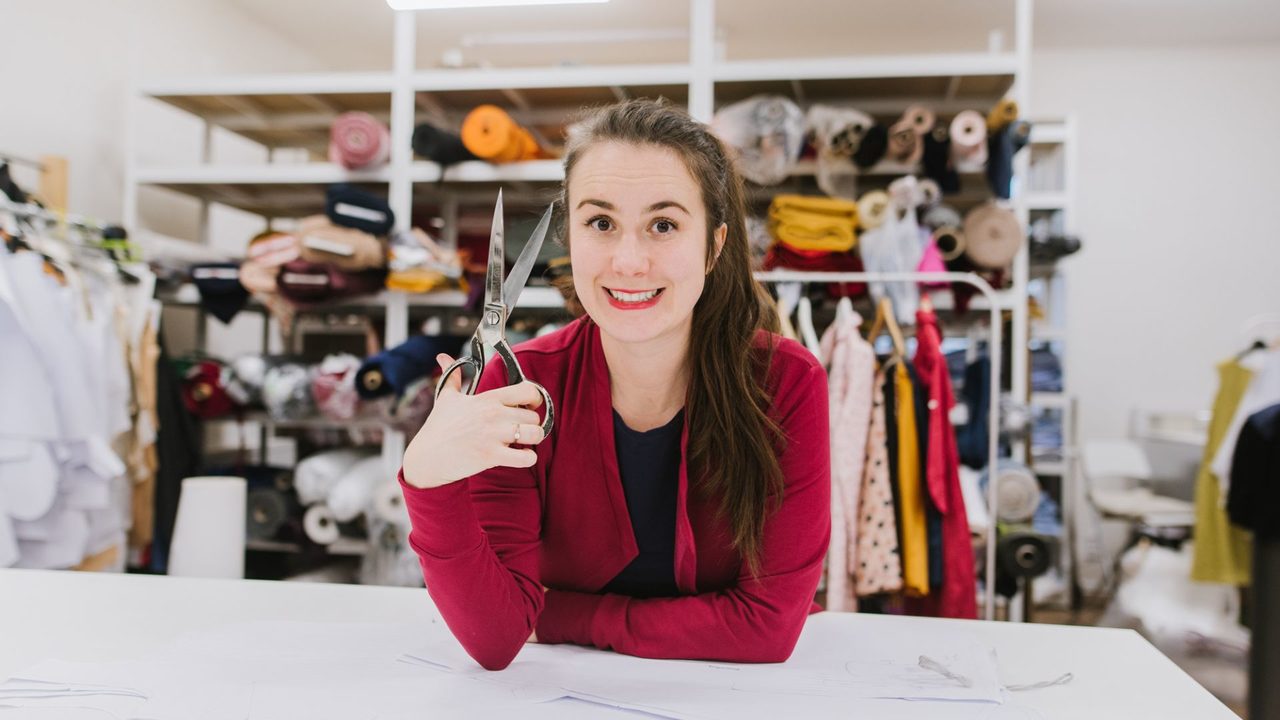
Kateřina Ržigová gave up a promising career as a lawyer for a project of her own — and it paid off: her Brno-based sustainable fashion label Reparáda sold 27,000 items of clothing last year and earned 35 million crowns.
Ržigová graduated in law with a specialisation in sociology, and a career at the bar awaited her after her studies. But before that she managed to do an internship in Spain, where she met her future husband and fell in love with the atmosphere of creative cafés and small independent shops. Back in Brno and buried in contracts and paragraphs, she realised the routine was killing her.
"I decided to change direction and take on my own project, where I could see the benefit and the result right away," she recalls of the time twelve years ago when she founded the sewing company Reparáda. Today it is a local fashion brand that not only designs clothes but sews them itself from eco-friendly materials.
It all started much more modestly. Together with a friend, Ržigová got excited about the idea of a sharing economy and opened a kind of "clothing library": customers took out a subscription and rented quality pieces. "The response was amazing, but it was exhausting and barely made any money. We were there from morning till night for a tiny profit," Ržigová says. In one corner of the shop she had set up a small nook with clothes she had sewn herself. Customers began to prefer those pieces — and so the rental business closed, and a fashion brand was born in its place.
Reparáda began as a hobby in a small rented room, but gradually grew, and Ržigová rented a more spacious workshop where professional seamstresses took over the cutting and sewing.
From the very start she focused on women's fashion — dresses, comfortable T-shirts, wrap skirts. "The first collections had a retro and vintage feel; today we make comfortable, timeless and versatile pieces. We don't chase the classic seasonal collections that later get sold off at the end of summer. Our time-tested designs stay in the permanent range — we just add new colours," the founder explains.
Today the brand is at a stage Ržigová herself wryly calls "this horribly awkward size." It is no longer a local garage project but a company with fifteen permanent staff, numerous freelancers, outside specialists and its own shop in Brno.
"We have piles of spreadsheets — everything has to add up for the processes to work. Now I know exactly what our fixed costs are and how much we need to earn every month. And sometimes that makes me really anxious," she admits. Before her eyes, the small business is turning into a medium-sized one, and with it the psychological pressure on the founder is growing too — all the more so since the project is growing organically, and she refuses on principle to bring in outside capital.
Instead, Ržigová is betting on loyal customers for whom local, eco-friendly fashion is a way of life. According to her, the very idea of sustainability at a sewing machine often clashes with the idealised expectations that shoppers bring with them from years of buying at chain clothing stores.