O'Leary explains Ryanair's one-third profit drop from Iran war
USD 21,65
Popular
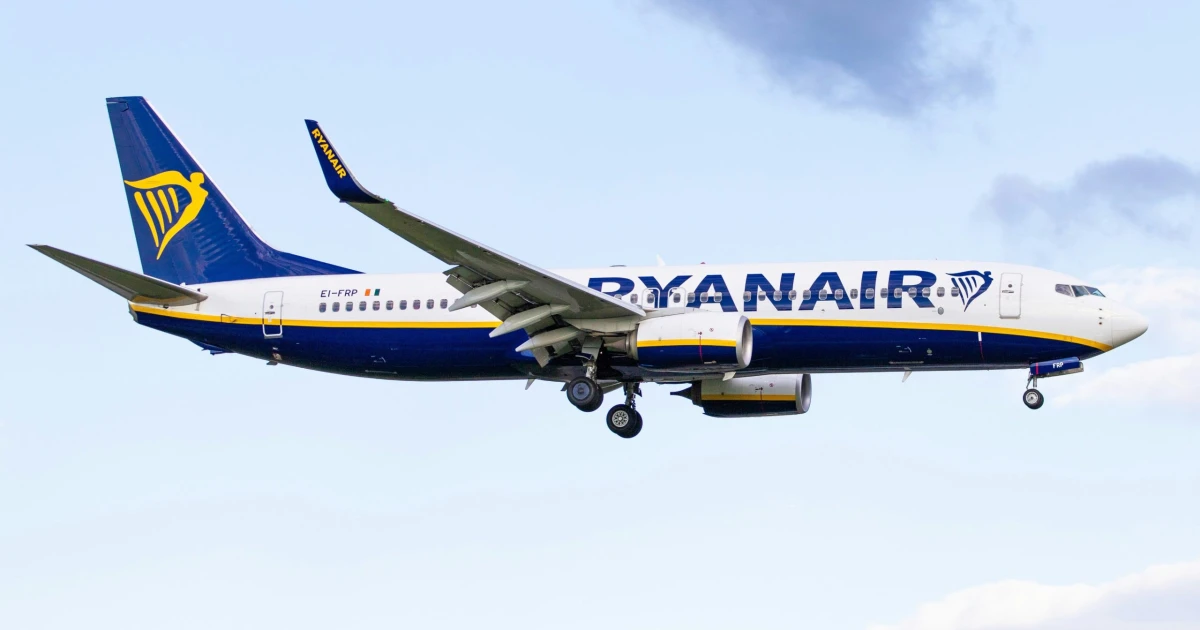
Ryanair CEO Michael O'Leary reported that the largest European carrier's net profit fell by more than a third — to roughly thirteen billion crowns for the first financial quarter. The reason: a sharp spike in fuel prices and cooling passenger demand amid the conflict in the Middle East.
Despite the profit slump, the Irish low-cost carrier kept growing operationally: in the three months to the end of June the company carried six percent more passengers — a total of 61.3 million people — while revenue edged up to €4.38 billion (nearly 106 billion crowns). The result still fell short of market forecasts, however, and Ryanair shares tumbled seven percent after the results were published.
Fuel was the main culprit behind the profit drop. The company's costs rose eleven percent, to €3.81 billion, since Ryanair was forced to buy the unhedged fifth of its jet fuel at twice the usual price — kerosene prices spiked to $150 a barrel.
“The Middle East conflict sowed uncertainty among consumers, raised fears of fuel shortages in the EU and stoked broader economic anxiety — people started putting off buying tickets,” O'Leary explained. He said the company expects air fares to be somewhat cheaper this summer than a year ago.
The conflict, which began in late February with US-Israeli strikes on Iran, among other things paralyzed shipping in the Strait of Hormuz, through which around a fifth of the world's oil supply normally passes. Ryanair became the first major European airline to publish results for this period.
At the same time, the company itself turned out to be relatively well protected from market volatility: for the current financial year Ryanair had locked in about four-fifths of its required fuel at a favorable price of $67 a barrel. Still, according to management, the final annual figures will depend heavily on external factors — how the wars in the Middle East and Ukraine develop further, and on oil prices.