Radim Svoboda challenges Czech CEOs to give back to the country
USD 22,10
Popular
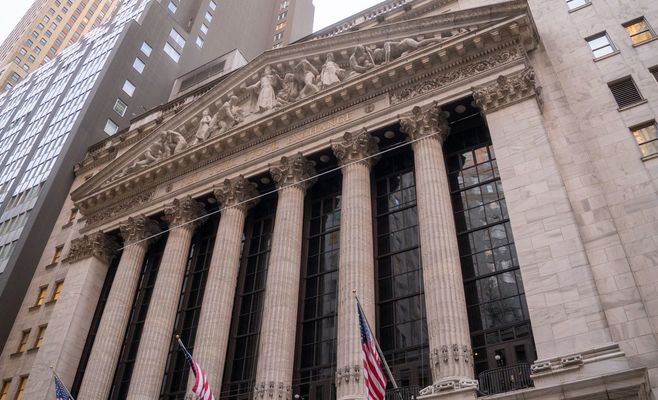
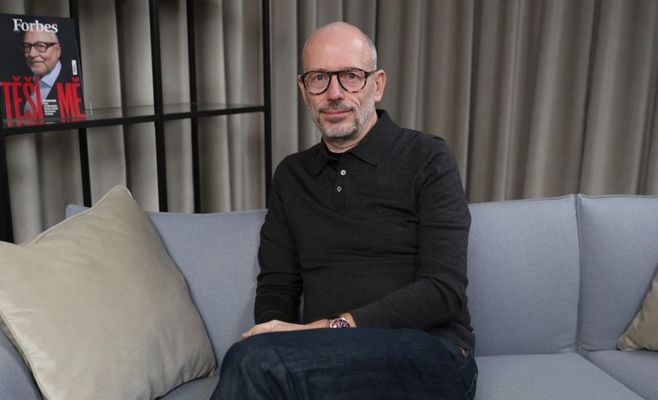
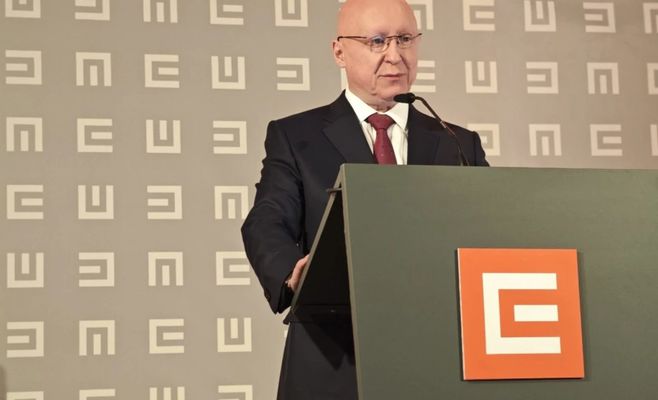
Radim Svoboda, the most successful Czech in global marketing, has urged the leaders of Czech companies to devote at least one percent of their time to the country. Speaking at the Forbes TOP CEO gala evening in Prague’s Rudolfinum, he reminded the audience that the building was put up neither by the city nor by the state, but by a bank.
Svoboda ran the McCann advertising agency as president from its New York headquarters, and for the past two years he has advised Czech and foreign companies as head of his own firm, Stratforce.one. He spent a large part of his career in the United States, where he still does business.
The story of the Rudolfinum as an argument
Svoboda said the idea came from Václav Vorovka, then director of the Czech Savings Bank: the bank decided to mark its 50th anniversary by donating part of its profit to charity — 400 thousand gulden. Nobody forced the bank’s hand, yet in the end it bought a plot on the Vltava embankment with a view of Prague Castle, chose the architects and financed a construction project that cost two million gulden. In today’s money, that is almost two billion crowns.
He suggested that executives write the word “Rudolfinum” into their December diaries as a reminder that, amid talk of margins and quarterly reports, it is easy to lose sight of one question: what do you owe the country that allowed your company to make money?
Profit flows abroad
“Profit belongs to the investors. That is fair,” Svoboda acknowledged, but he cited a figure: last year alone, 335 billion crowns left the Czech Republic for shareholders. In his words, those shareholders have no responsibility to the country, yet they should.
He believes that in the United States, executives tie additional obligations to their own names far more strongly, while in Europe the debate is mostly shaped by reporting and regulation. He judged Czech business even more harshly: “In Czechia we mostly stay silent, dodge and tick our boxes.”
As a positive example, Svoboda named the American outdoor clothing maker Patagonia. Its founder, Yvon Chouinard, decided the company would give one percent of its revenue to protecting nature on an ongoing basis. In the 2025 financial year, the firm supported a number of organizations with almost 15 million dollars.
Three hours in December
Svoboda did not ask his listeners for money. He proposed that the “one percent” be symbolic — for example, a percentage of time: write the word “Rudolfinum” in your diary, along with the question of what you can do for the country. Support education? Or retrain, before next year, people whose jobs are being changed by artificial intelligence? He said it is worth setting aside three hours in December for this and treating it not as a line in an annual report but as a higher mission.
He closed his speech with a question, returning to the history of the Rudolfinum: “A bank built this building. What will you build?” Svoboda suggested continuing the conversation at the next Forbes TOP CEO gala evening.
By the Around Prague newsroom