Petr Mudra: Czech electrician's furniture firm now fits out CERN

USD 22,10
Popular
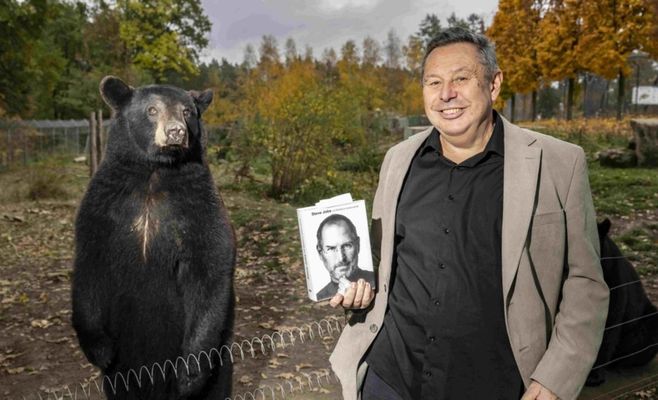
Furniture from the family firm Arbid now stands in CERN, in European hotels, in BMW showrooms and in Prague's Café Fanta. It all began with the electrician Petr Mudra making furniture for himself and his friends. A small workshop in Hotikov near Plzeň has grown into a group of companies with a combined turnover of about 600 million crowns, which is now being taken over by the founder's children.
Petr Mudra Sr. was an electrician by trade. He got a feel for furniture making after the revolution, when he went to Germany to earn money. Back home, he decided to apply his German experience and start his own production, and in 1992 he founded Arbid. The company's name comes from the words for architecture and housing (bydlení in Czech).
There was almost no money for equipment, so he made do with whatever was at hand. He designed and built the furniture himself, by hand and literally on his knee, in the family house, which doubled as a warehouse. He pressed the edges of the furniture boards with his wife Alena's iron, borrowing it every day. “In the evening he gave it back, of course,” says Lukáš Mudra, who runs Arbid together with his father, recounting the family story.
Petr sold the first pieces to friends, then rented a small display window in Plzeň. According to his second son, also named Petr Mudra, his father drew and built several wardrobes and coat-rack walls, put them on display and added his wife's phone number. While he was making furniture and driving off to install it, Alena took new orders at home.
How an order from Asko changed the firm
As orders grew, so did the team, but the real leap came after a furniture fair, where the retail chain Asko approached them with an offer of serial production. Mudra agreed, even though he had neither the necessary machines nor the capital. According to his son, his father went straight from that fair to another one and ordered machines there, so there would be something to make the furniture on.
Production then moved to a house in neighboring Ledce. At first the founder imagined a workshop downstairs and the family living upstairs. “Luckily, Mom, who was then running the shops in Plzeň and Rokycany and later took on finances, bank negotiations and hiring as well, said it wouldn't work like that,” Lukáš laughs.
At that time Arbid mainly turned out individual pieces of furniture to the founder's own designs and supplied them through Asko and other stores across the country. The turning point came with the financial crisis of 2008: the stores that bought its products disappeared one after another, and orders melted away with them. The firm had to change course, moving from serial furniture to made-to-order production for specific interiors. “Over the years we have reinvented ourselves several times, always depending on where the demand was,” says Petr.
Two brothers, two paths
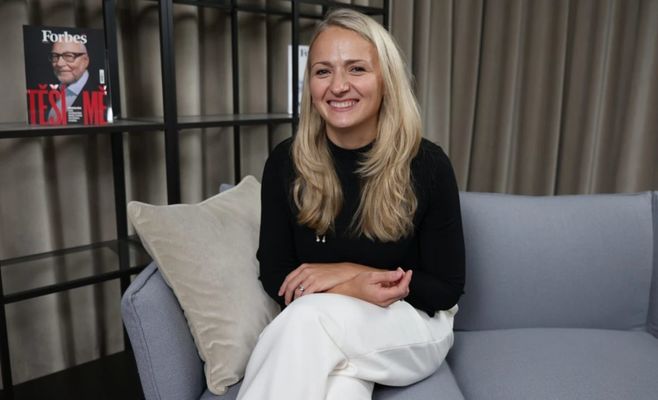
Both brothers grew up around the firm: they tried their hand at production and installation on part-time jobs. After school each spent a year in America, where they also worked out what to do next. Lukáš decided right away: he returned to the family company, handled sales and order fulfillment, and about eight years later became its managing director.
Petr went through the warehouse, cost estimates and interior design, but did not see himself at Arbid for long. He was drawn to online retail and put 200 thousand crowns, given to him for his eighteenth birthday, into his own e-shop. “I lost it in the first year: I picked the wrong partner, who was supposed to handle the technical side of the shop, so after a year I started over,” he recalls with a smile.
How it turned out
The second attempt grew into a store that sells furniture and home goods under the Momenti brand in Czechia, Slovakia and Hungary. Its annual turnover is about 280 million crowns, almost catching up with the parents' production: at Arbid it holds at around 300 million.
By the Around Prague newsroom