Vít Schubert on why startup founders should work in a corporation
USD 22,10
Popular
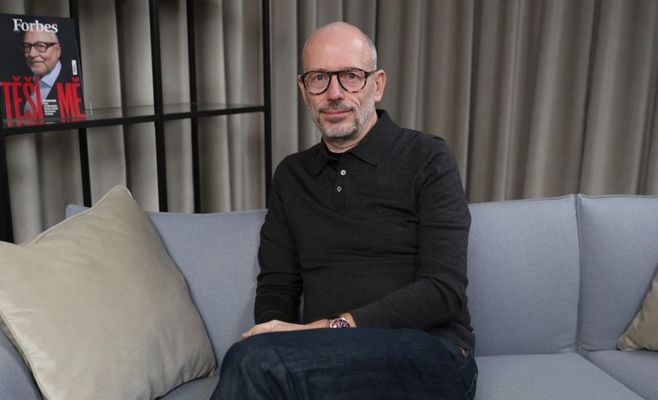
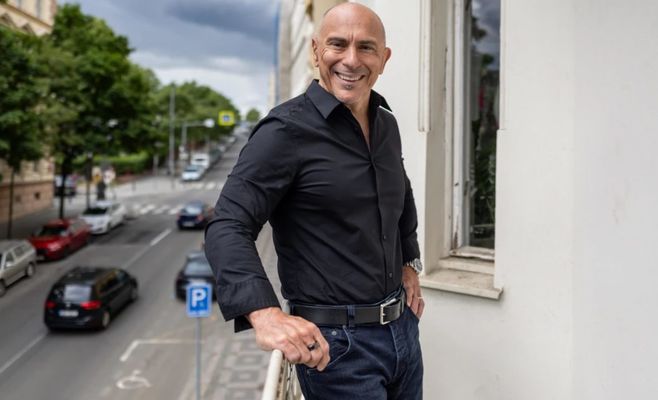
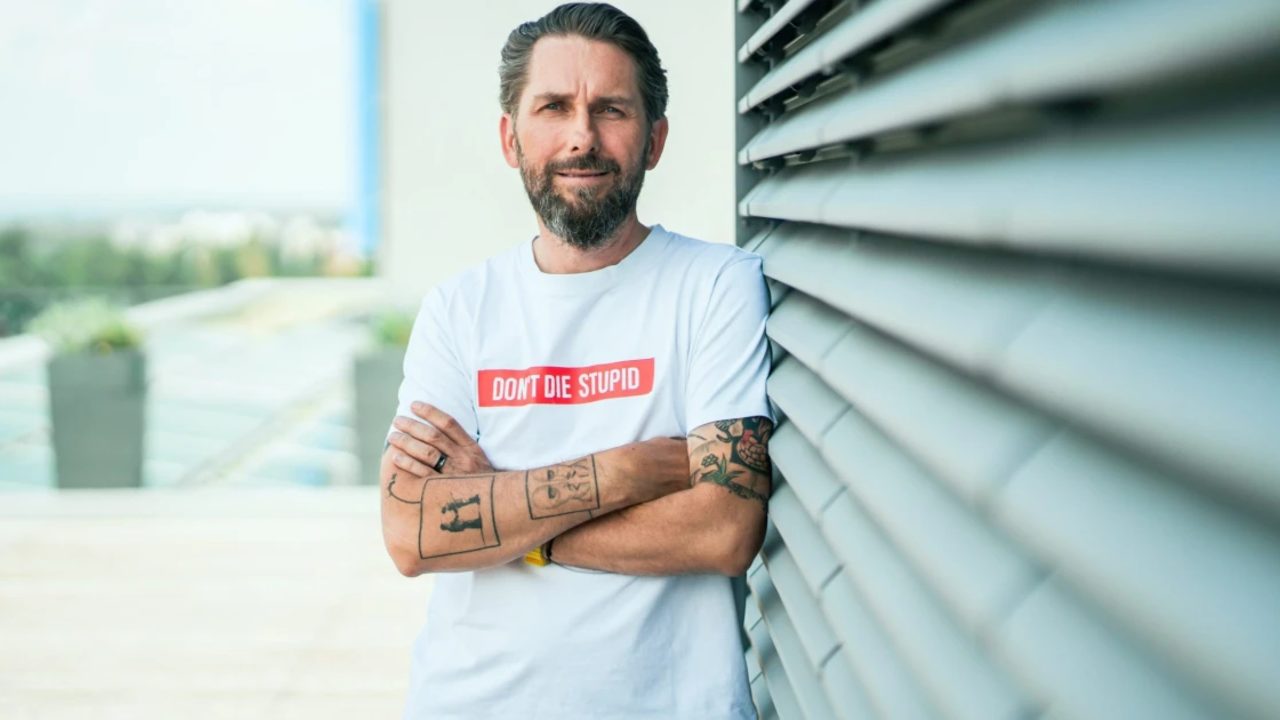
Vít Schubert, founder of the consulting firm Unicorn Attacts, helps owners and managers scale their businesses and avoid fatal mistakes. His firm's motto is “Don't die stupid.” In an interview with Forbes, he explained why corporations and startups in Czechia so rarely find a common language and what the main weaknesses of local entrepreneurs are.
Schubert has worked at the top levels of companies such as O2, Dell and LG. Today his team “refreshes” corporations so that they work more simply and quickly, supports small and medium-sized firms in moments of rapid growth or decline, and helps startups enter the Czech market and, if they wish, the United States. His clients include T-Mobile, Allwyn, Lasvit and Slovenská sporiteľňa. He also advises managers as a mentor at iLead Institute, a sister project of Forbes.
Corporations and startups: symbiosis instead of ignoring each other
According to Schubert, corporations and startups in Czechia often shamelessly ignore each other, even though an alliance between them could be very useful. That is why he advises future founders to try working in large companies first.
A good manager is not yet a leader
“Even a good manager can be a bad leader,” the entrepreneur believes. In small and medium-sized firms, he says, the situation is often disastrous: the owner wants to grow and look for strong people, but runs the company the same way as thirty years ago. No top manager aged 35 to 40 would accept that.
Entrepreneurs of the 1990s built their businesses from scratch and had no chance to learn soft skills; the business grew by itself, like a snowball. But times have changed: competition is getting tougher, capable people are scarce on the market, and they do not want to join a company with poor leadership.
In Schubert's view, management skills can largely be trained, but leadership has to be within you: personal authority and moral, organizational and visionary qualities are mostly innate. They can be developed, but if they are weak, they are hard to learn.
What to do with a micromanaging owner
In roughly half of cases, the owner turns out to be a weak leader and smothers everything with micromanagement: telling everyone what to do and constantly checking up. This scares off strong employees and creates a flat structure that is vulnerable to market shocks. Schubert's team tries to persuade such owners to hire a commercial CEO, but it is a long process: you need to spend several months in the company and have solid arguments.
In the United States, founders often step down as CEO over time, join the board and take charge of, for example, product development: a great founder is not necessarily the best manager. In Czechia, however, a considerable share of founders are almost offended to hear that, from an investment fund's point of view, they should eventually hand over management. They fear losing their aura and credibility. Schubert is convinced that this neither humiliates them nor takes away control of the company, but each person has to come to that decision on their own.
By the Around Prague newsroom