Hidden SMS subscriptions in Czechia: money charged every week
USD 21,68
Popular
Thousands of people in the Czech Republic have unknowingly signed up for paid SMS subscriptions that quietly deduct money from their account every week or month. The scheme was uncovered by journalist Rubeš, who began investigating using his own mother's phone and ultimately surveyed thousands of people across the country.
How the scheme came to light
Rubeš noticed that his own mother had a similar recurring charge — a discovery that prompted him to look for other victims. He first checked his own phone contacts: among roughly a thousand numbers, dozens turned out to have an active paid subscription. Together with acquaintances, he then compiled a large list of numbers and started calling them. According to the journalist, the problem affects at least thousands of people across the Czech Republic.
"What they all have in common is this: not one of these people knew for certain that they were confirming a subscription by SMS. They were convinced they were doing something else entirely," Rubeš said in his report.
How the Premium SMS scheme works
Premium SMS messages are not a scam in themselves — they're an ordinary way to pay for third-party services through a mobile operator, used, for example, to pay for parking or tickets. But the Czech Telecommunication Office has long warned about cases where people say they never ordered a paid service, or were not properly informed about it.
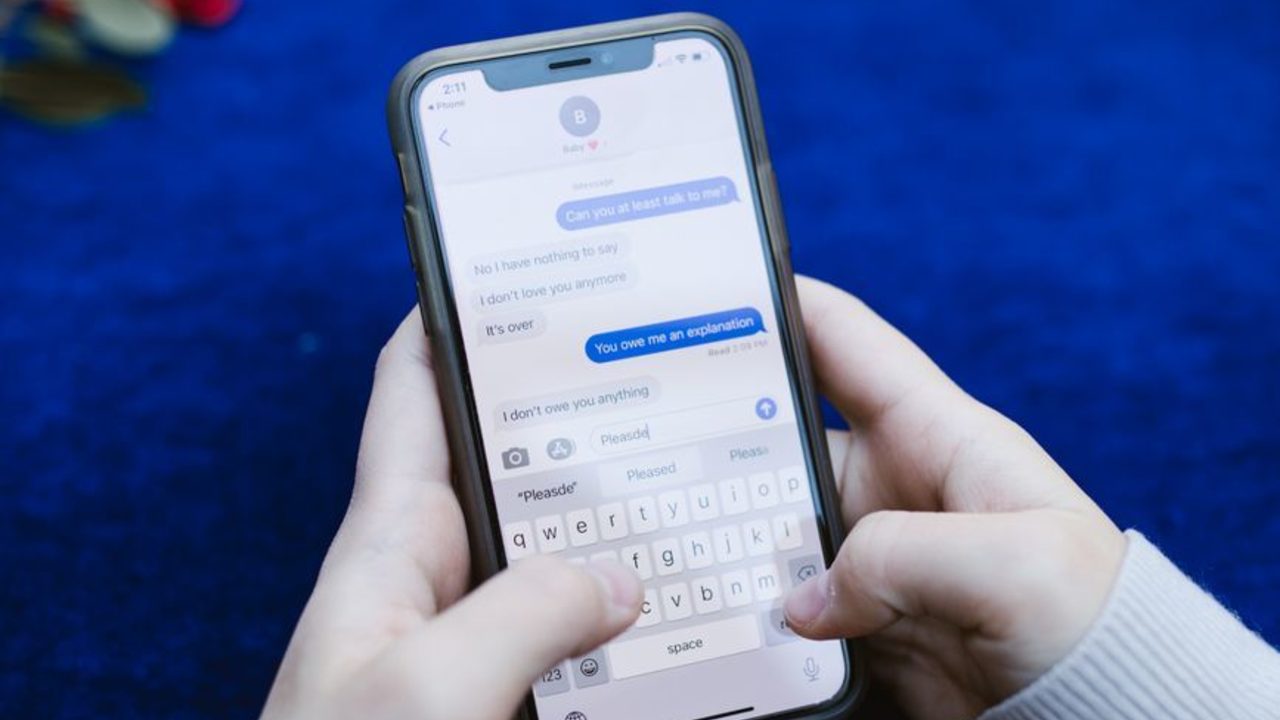
The problem usually starts online: a user is searching for something completely different — a document to download, a game, or some other service. They land on a page asking for a phone number, enter it — and receive an SMS. The real trap lies in carelessly confirming that message: it can activate a paid subscription whose price is buried somewhere in fine print, or displayed in a way the user simply doesn't notice. A single careless click is enough — after that, the charge repeats every week or month, showing up directly on the mobile operator's bill.
A similar pattern is described around the service Playtheque: users say they wanted to download a document from the internet, entered their phone number, were redirected to Playtheque, and later found a charge for an unfamiliar service on their bill.
Soundies, Playtheque and other services
In his investigation, Rubeš identified services including Soundies, Soundees Music, Playtheque, Appland, Gamistream and Carefizz. There are far more sites like these online: some look like music or video portals, others like gaming sites or app catalogues. What unites them is how they make money: rather than a one-off payment, the user pays through a recurring subscription — and it's often unclear exactly what they're paying for.
Playtheque, for example, presents itself as a digital content service for users; the same domain also operates in several other countries, with the service structured as a third-party offering through foreign mobile operators. The sheer number of such sites points to an entire ecosystem of services that can be quickly created, filled with simple content and hooked up to the premium-SMS billing system. In the age of generative artificial intelligence, building a simple site like this has become far cheaper and faster than before.
Why people don't notice
Ninety-nine crowns a week is not an amount that immediately alarms most people. Over a month it adds up to roughly four hundred crowns, and over a year, more than five thousand. And this isn't an ordinary card payment: the money appears on the mobile bill as a payment to a third-party company, which makes it easy to miss.
Read also: Choosing a mobile operator in Czechia in 2026
Source: novinky.cz