China Posts 4.5 Percent Growth as AI Demand Lifts Exports but Not Shoppers
USD 21,69
Popular
China's economy grew faster than expected in the third quarter, driven by exports tied to the global boom in artificial intelligence, according to figures released Monday by the National Bureau of Statistics. Consumer spending and investment, however, remained weak.
Gross domestic product expanded 4.5 percent from a year earlier in the July-September period, up from 4.3 percent in the second quarter and above most analysts' forecasts, Al Jazeera reported. The Guardian said the result puts the country on course to meet its 2026 growth target without extra stimulus.
The key numbers behind China's third-quarter growth
- 4.5 percent: Third-quarter GDP growth from a year earlier, compared with 4.3 percent in the second quarter.
- 4.6 percent: Growth over the first nine months of the year, according to preliminary figures. The Communist Party's 2026 target is 4.5 to 5 percent.
- 5.5 percent: Growth in industrial production in September, up from 5.2 percent in August. For the first three quarters, output growth was 5.3 percent.
- 1.1 percent: Growth in retail sales in September, a key gauge of consumer demand. That was up from 0.4 percent in August, and sales rose 2.6 percent over the first nine months.
- 7.2 percent: The fall in fixed-asset investment from January through September. Investment edged up 0.7 percent in September alone.
- 20.6 percent: The drop in property investment over the first nine months, according to the Guardian.
What is driving the numbers
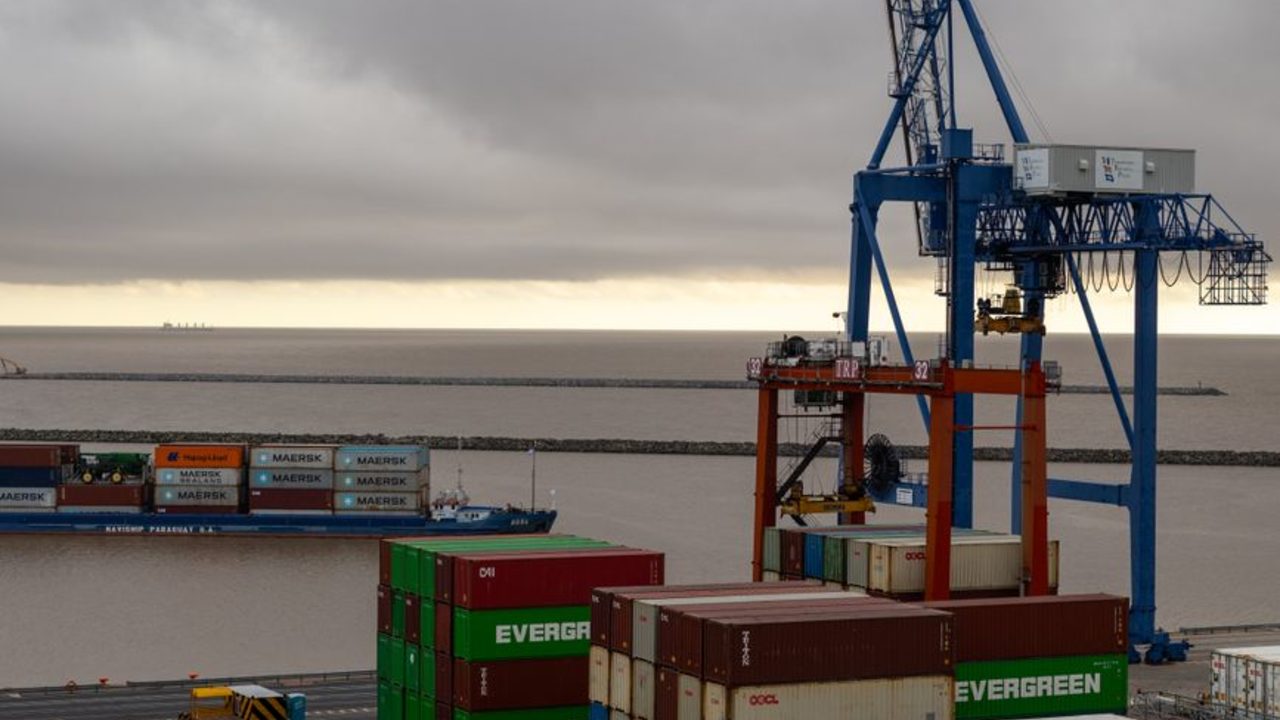
Exports are the main engine. Al Jazeera reported that Chinese exports rose by more than 16 percent in the first three quarters, largely on strong demand for semiconductors and other technology goods. The Guardian noted that data released last week showed September exports jumped by more than a third, lifted by shipments of AI-related electronics.
Duncan Wrigley, chief China economist at Pantheon Macroeconomics, said policymakers would likely judge their efforts to stabilize headline growth in the third quarter a success. He said manufacturing output rose 6.0 percent in September, helped by export demand for electronics, AI-related equipment and autos. He added that high-tech manufacturing continues to outperform traditional sectors. He also said industrial output got a lift in September as coal mines resumed operations after safety inspections that followed a major accident.
Analysts at ABN Amro said the pickup mainly reflects export strength from the global AI and tech boom. In their view, it more than offset drags from the Iran conflict and continuing weakness in domestic demand.
Why it matters: a lopsided recovery in the world's second-largest economy
The figures show a economy growing unevenly. Factories and exporters are doing well, while households are spending cautiously and the property sector keeps shrinking. Both outlets pointed to the gap between industrial output growth of 5.5 percent and retail sales growth of 1.1 percent in September.
That matters because China's growth now leans heavily on foreign demand for technology goods. Zhiguo He, a finance professor at Stanford University's Graduate School of Business who studies the Chinese economy, told Al Jazeera he expects Beijing to get the 4.5 percent growth it wants this year. He said Beijing would nonetheless be wary of the continued reliance on exports. In his words, “a managed slow slowdown is the best Beijing can hope for.”
He also said the property decline is what Beijing wanted and that Chinese households have been adjusting their expectations accordingly. Al Jazeera noted that the 2026 target range would still be among the slowest expansions in decades, excluding the COVID-19 pandemic.
Sources: Al Jazeera, The Guardian