Czech inflation rises to 2.5% in September: a rate hike ahead?

USD 21,79
Popular
Consumer prices in Czechia rose by 2.5% year on year in September, 0.6 percentage points faster than in August. According to the Czech Statistical Office, prices were unchanged from the previous month. The acceleration was driven mainly by more expensive transport and a weaker decline in food prices than before.
Fuel pushes prices up
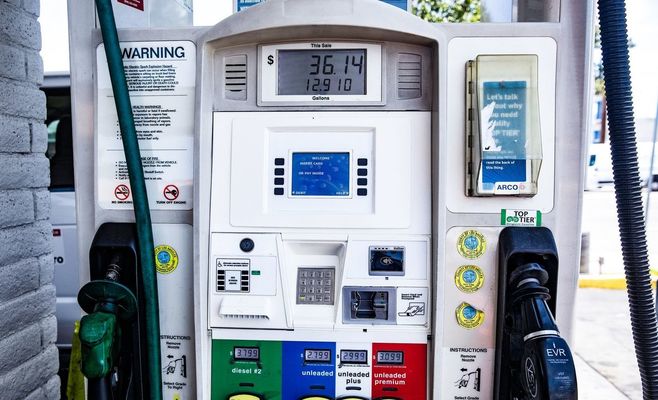
Fuels and lubricants were 37.5% more expensive than a year earlier in September, compared with 26.2% growth in August. The whole transport category rose by 13.2% and had the biggest impact on the overall price level. Food kept inflation in check: it is still cheaper than a year ago, although the gap has narrowed.
The Czech National Bank (CNB) also named fuel as the main reason for the acceleration. According to the bank, petrol and diesel prices reflect the conflict in the Middle East, high global oil prices and costly refining. “Diesel and petrol prices are now adding more than one percentage point to overall inflation. The government’s measures – a cut in excise duty and price regulation – will only show up in the October data,” said Jakub Matějů, deputy director of the CNB’s monetary department.
September’s price growth was higher than the CNB’s summer forecast, which assumed inflation of 2.2%. Fuel prices diverged especially sharply: the bank expected growth of 20.1%, but they actually rose by 37.5%.
Core inflation above 3%
Core inflation, the key indicator for central banks that strips out volatile food, fuel and regulated prices, also accelerated slightly. In September it reached 3.1%, up from 3% in August, and exceeded the CNB’s forecast of 2.9%. Services continue to get more expensive at a fast pace – up 4.5%.
Miroslav Novák, chief analyst at Citfin, points out that cheaper food makes overall inflation look lower than it is: excluding food and non-alcoholic drinks, prices rose by 3.7% in September.
Martin Kron, an analyst at Raiffeisen bank, notes that goods price growth accelerated from 0.2% to 1.2% and services from 4.5% to 4.6%. In his view, core inflation of around 3% is the reason the CNB will probably raise its main interest rate to 4% at its November meeting.
What to expect next
Matějů expects inflation to stay in the 2–3% range until the end of the year, and to very likely rise temporarily above three percent early next year. Petr Dufek, chief economist at Creditas bank, also sees further acceleration: the positive effect of the state taking over the renewable energy charge will fade, and higher electricity and gas prices will feed more strongly into consumer prices.
He adds that without cheaper food and this effect, price growth would have been even higher, so at its November meeting the CNB could raise rates by a quarter of a percentage point and then wait and see.
Source: seznamzpravy.cz