Czech Public Institutions to Be Required to Buy Czech Food — Experts Warn of Price Hikes
USD 21,73
Popular
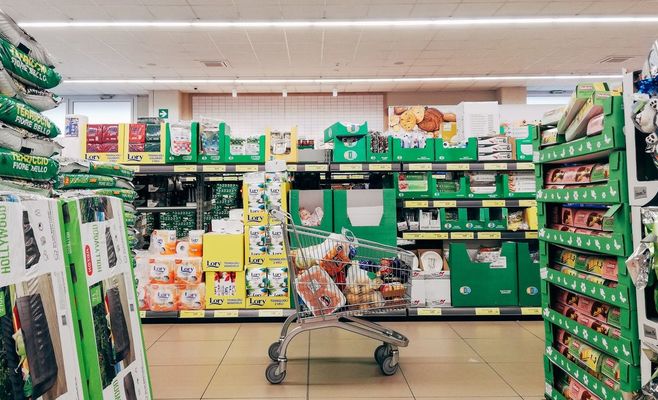
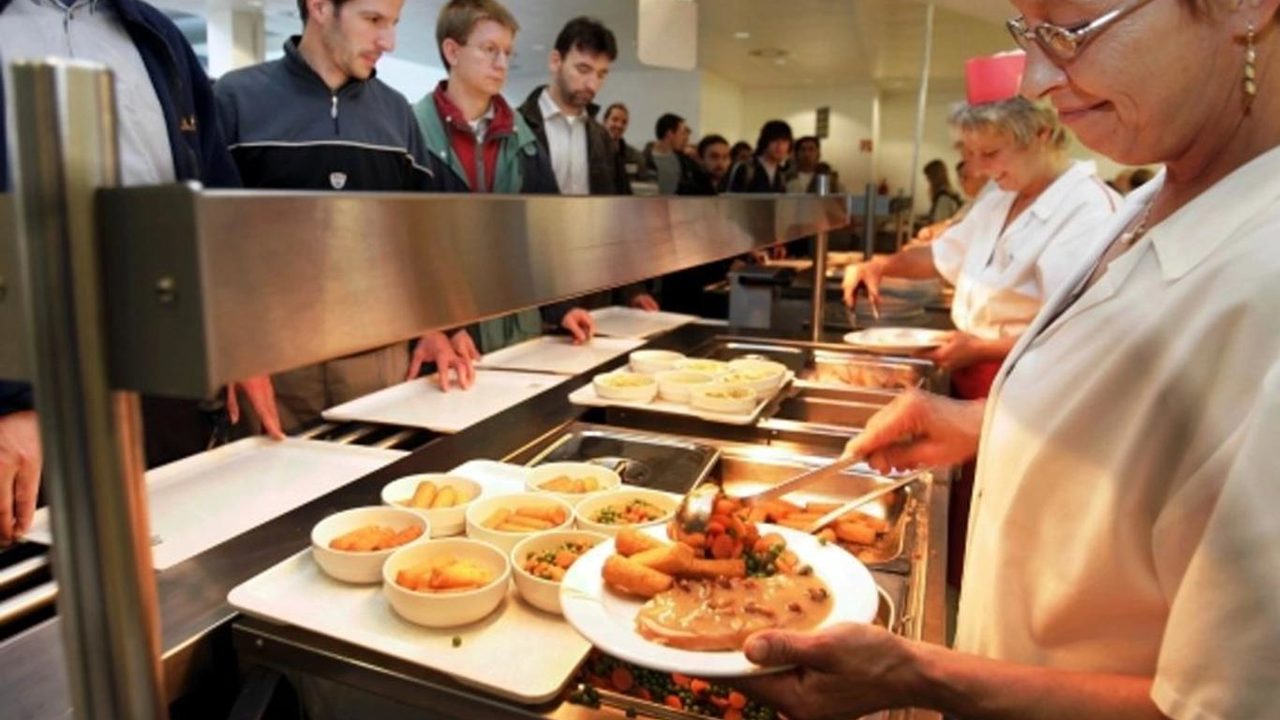
At the end of June, the Czech government approved a decree requiring that by the end of 2028, state and municipal institutions spend at least 65% of their food procurement budgets exclusively on domestic and regional products. The rule applies not only to canteens serving officials and civil servants, but also to state-funded events such as fairs, conferences and festivals.
The initiative came from Agriculture Minister Martin Šebestyán (SPD), who declared that "Czech food belongs in Czech stomachs." According to him, there is little sense in the country mass-breeding livestock for export while domestic beef consumption keeps falling.
Beef Exported, Chicken Imported
According to the minister, the export of live cattle is largely driven by low purchase prices, which make it more profitable for farmers to sell animals abroad than to fatten them for the domestic market. Statistics back up the trend: in 1987 the average Czech consumed 30.7 kilograms of beef a year, but by 2024 that figure had dropped to just 9.1 kilograms — roughly 11% of the country's total meat consumption. Meanwhile, the Czech Republic's self-sufficiency in beef has long exceeded 120%.
The situation with chicken is the opposite: demand is rising while domestic production can't keep up. Šebestyán noted that annual per-capita chicken consumption in Czechia reaches about 31 kilograms — noticeably above the EU average of 25.1 kilograms. Yet self-sufficiency has fallen to 62.5% since 2021. "Our goal is to reverse this trend and cover more of Czech consumers' demand for chicken through domestic production," the minister said.
The Ministry Leads by Example
Šebestyán noted that the Ministry of Agriculture itself has already managed to source over 90% of its own food purchases domestically. Food ombudsman Jindřich Fialka believes the new rule will benefit both consumers and local producers, arguing that it will shorten the supply chain from producer to buyer, guarantee fresher, higher-quality food, and support the local economy.
Experts Doubt the Measure Will Help
Tomáš Mayer, an analyst at the Czech University of Life Sciences, is skeptical, calling the initiative "political posturing." In his view, within the EU single market Czech companies should compete on their own merits — otherwise the policy amounts to discrimination against producers from other EU countries. "The only effect of such a measure will be higher food prices, since it restricts competition," Mayer warned.
A more sensible way to support local producers, the expert argues, would be to cut bureaucratic burdens on the agricultural sector and prioritize small farms when distributing subsidies. He pointed out that large companies such as Agrofert, Rabbit or Úsovsko benefit from lower average costs due to their scale compared to small family farms, so redirecting subsidies toward smaller producers would be a more logical step.
According to the Czech Statistical Office, the country's self-sufficiency in 2024 stood at 107.1% for beef, 59.2% for chicken, and just 38.5% for pork, while self-sufficiency in apples plunged sharply in recent years — from 67% in 2023 to 36.8% in 2024.
Source: denik.cz