Norwegian salmon farms switch to chicken feed as fishmeal costs soar
USD 21,62
Popular
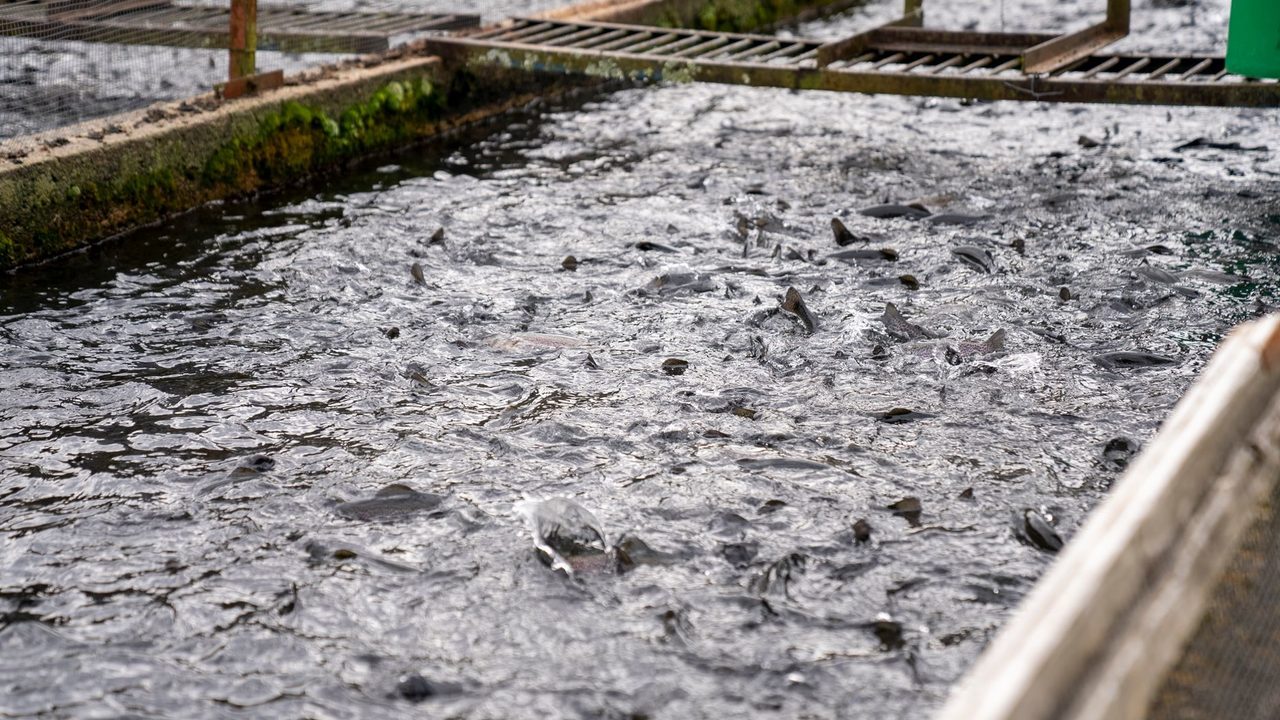
Major Norwegian salmon producers are switching to cheaper feed that includes chicken by-products — bones, liver and brains. The reason is a sharp rise in the price of fishmeal, which the industry used to rely on. The British business press reported the shift.
Lerøy Seafood Group, one of the world's largest salmon producers, already uses such feed at all of its coastal farms. Its competitor Mowi, the world's biggest salmon producer, plans to add poultry ingredients to feed at its farms in Norway and Scotland. Grieg Seafood began using them in July this year, and SalMar has been testing them since March. All four companies also sell salmon in the European Union, which remains an important market for Norwegian fish farmers.
Why fishmeal has become so expensive
Fishmeal made from wild fish has almost doubled in price over two years: fish stocks are shrinking while demand is growing, in particular in China. Chicken feed, meanwhile, costs less than half as much per tonne. The situation was made worse by this year's strong El Niño, a warming of surface waters in the tropical Pacific that returns every few years. It disrupted anchovy fishing off the coast of Peru, which supplies roughly a fifth of the world's fishmeal.
“Because of the scale of our business, we needed an alternative to fishmeal. Chicken meal turned out to be the only raw material that met all our requirements,” said Jørgen Skeide, who is in charge of feed at Lerøy.
A taboo being broken
In this way, Norwegian producers are breaking a taboo of many years. In Britain, the use of farm animal parts in fish feed was banned until 2013 because of fears of spreading diseases such as mad cow disease. Salmon producers in Chile and Canada have fed their fish chicken for many years, but European companies have so far refused.
Supermarkets in Britain and other European countries have for years refused to sell salmon raised on feed containing animal by-products. Tesco banned such feed, as did Waitrose in 2024; neither chain said whether it has changed its position. Only Sainsbury's confirmed that it prohibits chicken ingredients in feed for its own-brand salmon, but it did not say whether the ban applies to salmon of other brands.
Source: novinky.cz