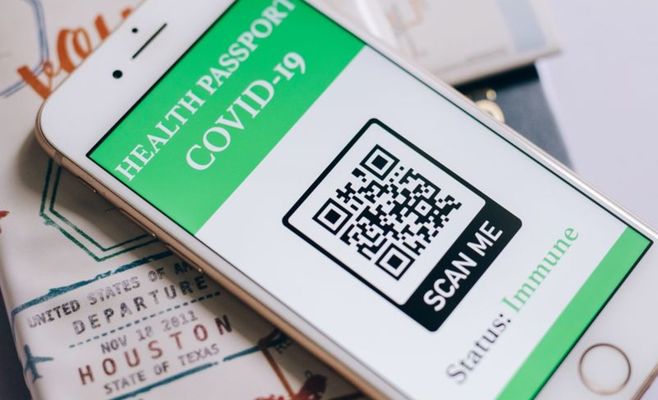
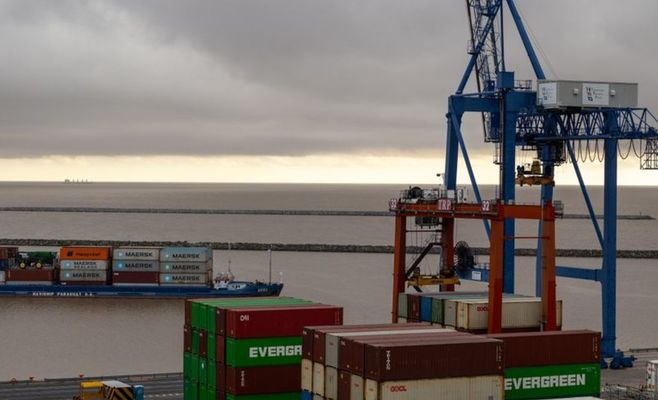
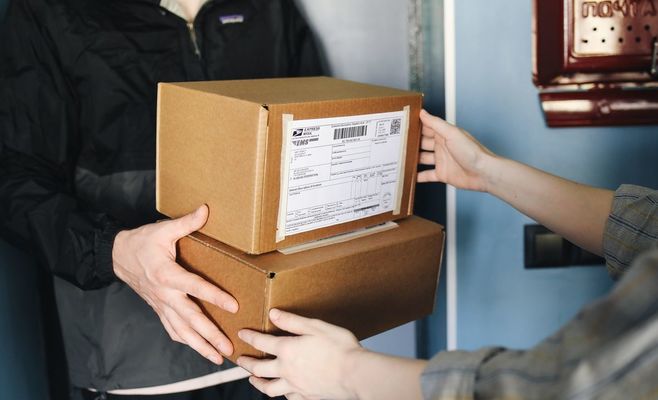
The European Commission has introduced a new fee for processing parcels from third countries of 2 euros per customs item in a shipment. The measure will primarily affect shoppers on Temu, Shein and AliExpress: according to available information, the new charge will take effect as early as November — regardless of the parcel's value.
How the new fee is calculated
The new fee does not replace the 3-euro-per-item duty introduced in July — it is added on top of it, and will almost certainly end up in the final price of the product. Like the July duty, the new fee is calculated not per parcel as a whole, but per individual item inside it. For example, if a shipment contains a phone case and three identical screen protectors, that counts as two items — the total fee would be 2 × 2 euros, or 4 euros. For low-value parcels worth up to 150 euros, the July duty is added on top of this sum as well — 3 euros per item. In our example, that is another 2 × 3 euros, bringing the whole parcel to 10 euros (about 245 crowns) — but only if the seller passes the full cost on to the buyer.
“Given the generally low prices and margins of the goods affected by these fees, sellers have no choice but to include them in the price — though probably not permanently. The new rules will clearly affect the very model of selling from China,” says Boston Consulting Group analyst David Antoš. According to him, unlike the July duty, the new fee is not included in the base for calculating VAT, so the final price increase could end up somewhat smaller. The fee will be paid by the sellers and platforms themselves, such as Temu, rather than by buyers directly.
Why the EU wants the new fee
According to Václav Lebeda, spokesperson for the European Commission in Czechia, the fee is meant to offset the growing costs customs authorities face in checking low-value parcels worth up to 150 euros — today these account for 97% of all customs declarations, but only about 2% of the value of imports, and they are also the ones most often linked to violations of product safety requirements. The Commission has already adopted the relevant act and submitted it to the European Parliament and the Council of the EU, which have a month to approve or reject the document as a whole, without the right to amend it. If there are no objections, the 2-euro fee will take effect ten days after publication in the Official Journal of the EU.
The number of cheap parcels has dropped sharply
According to the EU's Directorate-General for Taxation and Customs Union, 1.4 billion low-value items passed through the bloc's customs in 2022, while last year the figure reached almost 5.9 billion, with 93% of them coming from China. The average value of a single item was just 8.82 euros, or about 215 crowns. Consumer tests, meanwhile, showed that many marketplace sellers comply with neither product safety requirements nor the rules on packaging disposal and tax payment.
The effect is already visible: back in June, Czech customs cleared 2.23 million low-value items from third countries, while in August the figure was just 918,000 — 59% less. Year-on-year, the number of items for July-August fell from 20.3 million to 6.6 million, with a similar trend recorded in France and Belgium. “The introduction of the three-euro-per-item duty has done its job and at least partly levelled the playing field on the European market,” notes the Directorate-General for Taxation and Customs Union.
Another new fee may be on the way
The Commission is preparing yet another charge — this time for checking the safety of the goods themselves: whether toys, electronics or cosmetics meet European standards. Its size has not yet been determined, but according to a leaked draft document, it would be paid by importers from third countries.
The first effects of the July duty are already visible in companies' reports. Poland's LPP, owner of the Sinsay brand, said that since mid-August Sinsay's online sales have been growing 20-30% year-on-year, with the pace picking up further in September. “We haven't seen this kind of momentum since 2024. We're already seeing the effect of the new duties,” said LPP chief financial officer Marcin Bojko. Polish marketplace Allegro also raised its growth forecast in September, attributing it partly to the new European duties on Chinese platforms.
China's Shein, however, saw its European revenue fall 13.9% year-on-year in the second quarter, to 3.77 billion dollars, even though the quarter ended before the duty took effect. The company itself linked the drop partly to higher prices and reduced advertising ahead of the new European fees taking effect. According to David Antoš, it is still unclear how temporary this drop will prove: major sellers are already building warehouses directly within the EU, and experience from other countries shows that, absent new obstacles, supply volumes from China usually return to nearly their previous level.
A nor’easter spinning off the Atlantic coast is expected to bring coastal flooding, high surf, rip currents and gusty winds to parts of the East Coast for several days, according to The Weather Channe
Some Spotify Family plan members are being told to prove they live with the person who pays for the plan by scanning a QR code. According to 9to5Google, those who miss a 7-day window drop to the free
The Atlanta Dream beat the Golden State Valkyries in Game 2 of the WNBA Finals on Monday night in San Francisco, handing the Valkyries their first loss of this postseason, according to KQED. Angel Ree
Josh Duhamel has spoken publicly for the first time about Netflix canceling the western drama "Ransom Canyon," telling Us Weekly that he was surprised and disappointed. The interview was published Mon
Mahmoud Khalil, the former Columbia University graduate student and pro-Palestinian activist, has asked the U.S. Supreme Court to let him sue the Trump administration over claims that it violated his
President Trump has waived new sanctions on Russia that were created under a law named for Sen. Lindsey Graham, a move that Democratic Rep. Don Beyer of Virginia described to NPR as a "surrender to Pu
From 1 January, a new exemption for restaurant tips takes effect in Czechia: they will not be subject to income tax or to social and health insurance contributions. The change is part of a package linked to the return of EET, the electronic
In the third quarter of 2026, the Czech Trade Inspection Authority (ČOI) issued final fines to retail chains for unfair practices, above all for fake discounts. Kaufland will pay the most: CZK 9.6 million in four fines. The total is slightl
Employees in Czechia will be able to ask their employer once a year for pay data on colleagues doing work of equal value. The right is set out in an amendment to the Labour Code that the Chamber of Deputies has had on its agenda since last
The European Commission has announced that the European Union will support 77 projects from the Innovation Fund. They include a Czech one: a floating energy platform in Prague.The selected projects are located in 23 countries of the Europea
The Czech government has approved a new program: from January 2027, state insurance support will extend to large agricultural businesses as well. Small and medium-sized farms already receive such payments. For large companies, the state wil
China's economy grew faster than expected in the third quarter, driven by exports tied to the global boom in artificial intelligence, according to figures released Monday by the National Bureau of Statistics. Consumer spending and investmen
Elon Musk has promised to give every child in the United States a share of SpaceX. The billionaire, often called the richest person in the world, owns 38 percent of the company. It is still unclear how such a giveaway would work technically
Volkswagen's management plans to freeze the pay of more than 660,000 employees worldwide at this year's level and keep it there until 2030. This was stated by Germany's largest trade union, IG Metall. According to the union, the group has a
Turkey is joining the US-Russian deal on diesel fuel supplies. Reuters reports that the country's energy minister said on Sunday that part of the Russian diesel under this agreement will go to Turkey, calling the deal important for the coun
Next year, more money will go to salaries in the Czech public sector: according to Finance Minister Alena Schillerová (ANO), the pay budget should grow by CZK 33.9 billion. However, most public sector employees still don’t know how much the
Chinese marketplaces Temu, Shein and AliExpress are losing ground in Europe. According to the German e-commerce association BEVH, their combined sales in Germany in the third quarter dropped from €878 million to €566 million, a fall of 35.5
In early October, EU finance ministers agreed on the main points of a measure meant to link European capital markets and remove barriers to cross-border investment. Supervision of the largest exchanges and other key financial market institu