Strait of Hormuz may lose its key role in energy shipping in 5 years
USD 21,59
Popular
The Strait of Hormuz could become redundant for shipping energy within the next five years, Elhedery said, as quoted by Reuters. According to him, Gulf states will invest more in oil and gas pipelines linking production areas with ports outside the strait, in order to reduce their dependence on the narrow sea corridor.
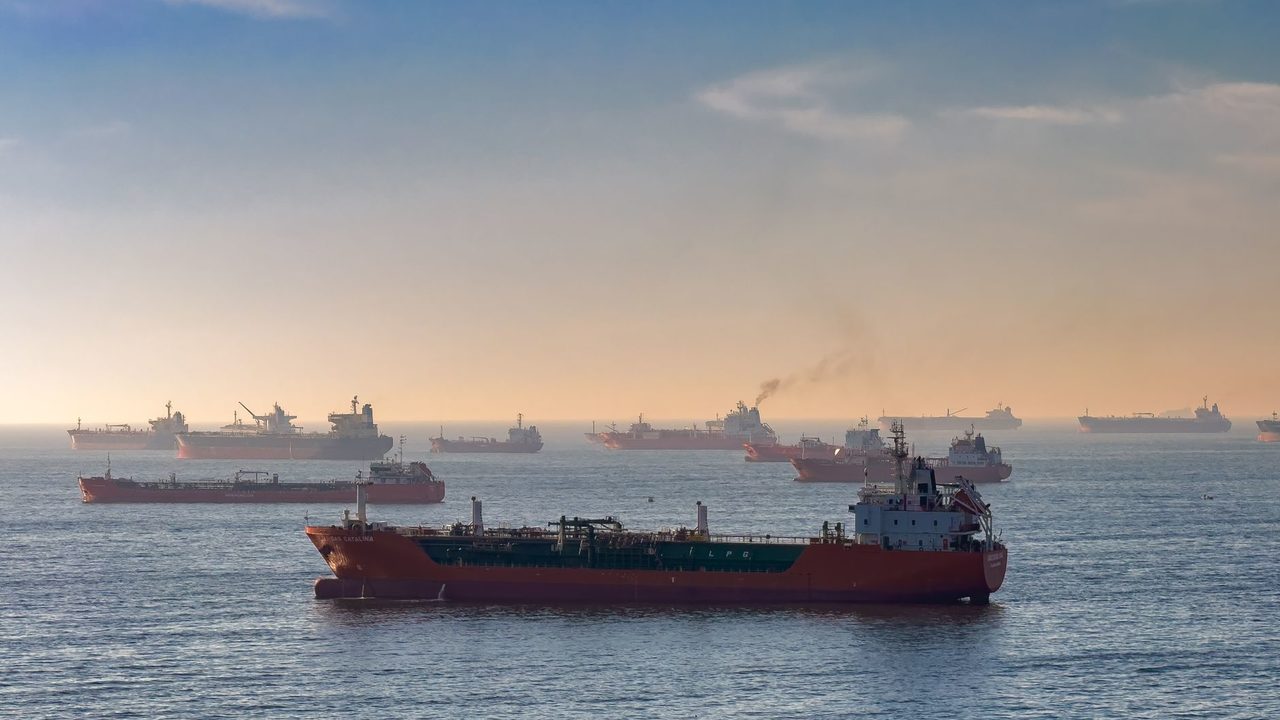
The United States and Israel attacked Iran in late February. Tehran responded, among other things, by blocking shipping in the strait, which hit the oil and gas trade. “We believe the region can recover from the current crisis and return to economic growth, but that will require massive investment. Of course, we hope the conflict will end,” Elhedery said.
Possible new routes
He did not name specific routes, but similar ideas have been floated before. In April, alternative overland corridors bypassing the Strait of Hormuz and the dangerous Bab el-Mandeb strait were discussed: new oil pipelines from Iraq through Saudi Arabia to Oman, a link between Iraq’s Basra and Turkey’s Ceyhan terminal, and a gas pipeline from Qatar through Saudi Arabia and Turkey to Europe. Oman could also play an important role: the ports of Duqm and Salalah could become new export gateways for Gulf oil.
The war is increasing uncertainty in the region. Last week the World Bank said the economy of the Middle East, North Africa and Pakistan region would shrink by 1.3 percent this year because of the conflict. Even so, financial institutions and investors believe in a subsequent recovery, which large infrastructure projects would support.
Around Prague, based on reporting by novinky.cz