Tiny house mortgage in Czechia: when banks lend for a mini home
USD 21,83
Popular
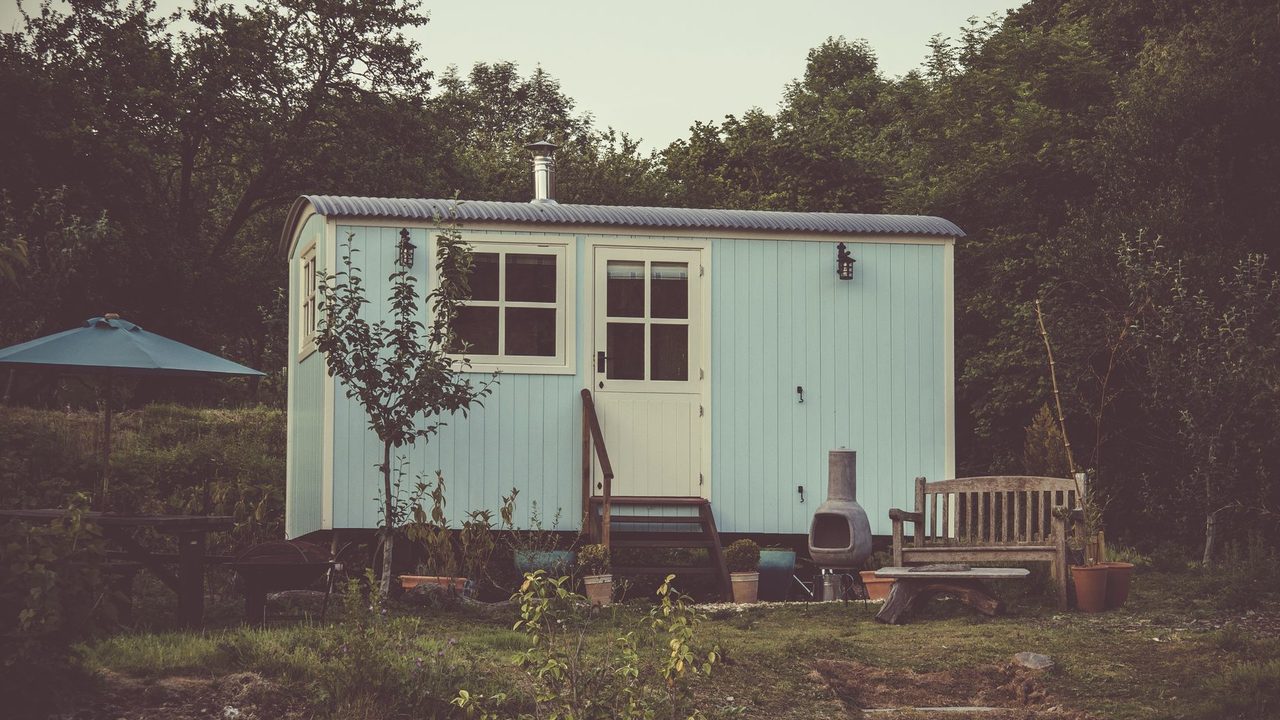
Interest in tiny houses — miniature homes with carefully planned use of space — is growing in Czechia, but buyers applying for a mortgage may run into cautious banks. According to the Realiťák roku survey, demand for alternative housing has risen over the past two years, and what decides everything is the land, the collateral and how the house is tied to the plot.
Demand is growing faster than supply
According to the Realiťák roku survey, increased demand for alternative housing — cottages, small houses and mini homes — was noticed by almost 64 percent of real estate agents, while 18 percent report a marked rise in interest. Only 47 percent of respondents see supply growing, meaning supply is lagging behind demand. Most often people look for a recreational property they can also live in.
These houses attract mainly young people, single people after a divorce or another life change, and older people. For some it is a forced step because of property prices; others choose it deliberately: they want a simple life, closeness to nature and less dependence on the city. Such properties usually cost from one to three million crowns, depending on the type of structure, its equipment and whether a plot has to be bought.
What you need for a mini-home mortgage
Libor Ostatek, a mortgage expert at Broker Trust, says banks are still approaching this young segment with caution. According to mortgage specialist Marian Drg, there are three main options: a classic mortgage secured by the property being bought, a consumer loan, or a so-called American mortgage. Some banks do not finance such houses at all, while others work quite comfortably even with container homes.
The main advantage is owning the plot. According to Michal Bajer, founder of the Půjčka.co website, the bank can accept it as collateral, and its value reduces the share of your own funds that is required. The lien is usually placed on the plot of which the structure is a part.
According to Drg, the house must be firmly attached to the ground, designed for year-round living and, once completed, registered in the land registry with a house or registration number. It is easiest when it stands on a building plot; the situation is also reasonably manageable with a recreational plot or one where a cottage is permitted. In addition, you need sufficient income, a good credit history and the ability to repay.
“With a classic mortgage you usually need about 20 percent of your own funds, and borrowers under 36 buying their own home may get by with 10 percent. But a tiny house may require more money because of its lower appraised value. With a consumer loan you may not need any own funds at all; it all depends on the client’s ability to pay,” Bajer explains.
A classic mortgage can pay for both the plot and the subsequent construction at once, provided the finished property meets the bank’s requirements, says Drg. If the house is to stand on rented land, financing it with the structure itself as collateral is, in his words, very problematic.
Houses on a wheeled chassis are a separate story. As Ostatek explains, banks do not accept a mobile tiny house as collateral — and there are many of those among these structures. In that case the plot where the house will stand, or another property, is offered as collateral. In his words, this can suit people who already have a suitable plot but lack the money for ordinary construction or do not want to pay off a multimillion-crown mortgage.
If the mortgage is turned down
When a mortgage cannot be obtained, there are other ways. Without collateral, says Ostatek, a consumer loan remains an option — it has a shorter term, and therefore a higher monthly payment. The rate is usually higher than on a mortgage, but the gap in recent years is not as large as it used to be. Such a loan lets you borrow up to 2.5–3 million crowns, which is enough for most mini homes.
An experienced financial adviser, he says, can compare bank offers, assess collateral options and put together a suitable scheme, although this does not guarantee approval. “Banks’ approaches to new types of buildings can differ greatly. Banks looked just as warily at wooden houses fifteen or twenty years ago, and today they are an ordinary part of the market,” says Ostatek.
According to Bajer, if the little house serves as a home and meets the conditions, you can take out a loan from a building society or another purpose-bound housing loan. And if the client owns other property that can be pledged, an American mortgage may be the way out — a loan secured by real estate in which the bank does not ask what the money is spent on. Its rate is usually higher than on a classic mortgage but lower than on a consumer loan.
Before signing a reservation agreement, Drg advises checking not only the financing options but also the contractor and the payment schedule: some companies demand the full amount at once, whereas the bank releases the mortgage in instalments. Missing permits, an unsuitable plot or a low appraised value can also complicate matters.
Around Prague guide on the topic: Mortgages in Czechia for foreigners: who qualifies and how much of your own money you need
Around Prague, based on reporting by seznamzpravy.cz