BepiColombo Fires Its Engine to Settle Into Orbit Around Mercury
USD 22,26
Popular
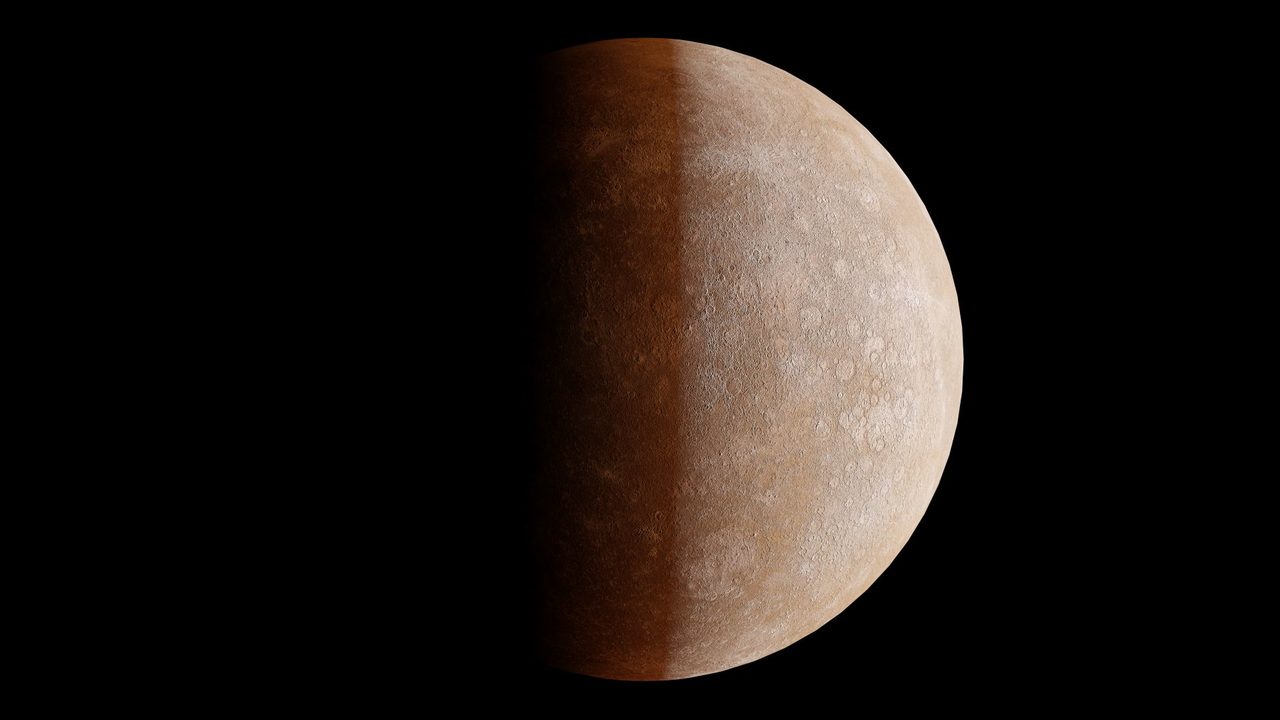
A European-Japanese spacecraft is due to enter orbit around Mercury on Nov. 21, more than eight years after it left Earth, Space.com reported. The BepiColombo mission, run jointly by the European Space Agency (ESA) and the Japanese Aerospace Exploration Agency (JAXA), will get there with an engine burn that is scheduled to start at 1:24 p.m. EST (1824 GMT) and run for 37 minutes.
The orbit insertion is not the end of the journey. Real science work at the planet is not planned to begin until April 6, 2027.
Two orbiters, one long trip
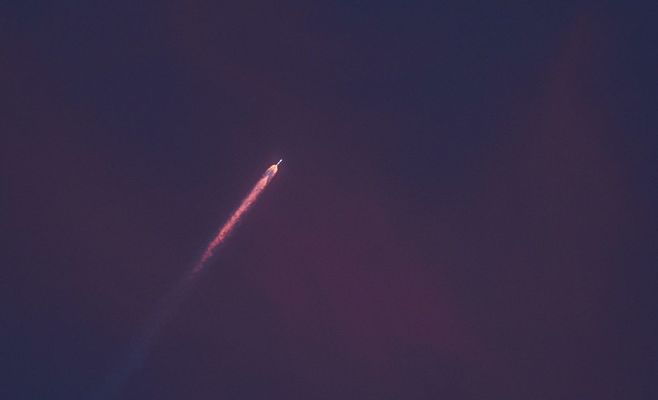
BepiColombo is made up of two main spacecraft: ESA's Mercury Planetary Orbiter (MPO) and JAXA's Mercury Magnetospheric Orbiter, also called Mio. They flew together with a power and propulsion unit known as the Mercury Transfer Module (MTM). All three launched on an Ariane 5 rocket from French Guiana in October 2018.
Mercury is hard to reach because it sits so close to the sun. According to Space.com, a probe heading there is pulled to very high speeds by the sun's gravity and has to shed a great deal of energy before Mercury's much weaker pull can capture it. To manage that, the team planned a route with one flyby of Earth, two of Venus and six of Mercury, spread over about seven years. The trip took a year longer after a problem with the solar panels cut the power available to the module's electric thrusters.
How the arrival unfolds
- October 2018: BepiColombo launches from French Guiana.
- Sept. 3: The transfer module releases the two orbiters, which starts a Mercury arrival phase expected to last about six months in total.
- Nov. 21: The orbit-insertion burn is scheduled for 37 minutes. The two orbiters are still connected at this point.
- Dec. 9, or thereabouts: The orbiters are expected to separate. Mio then settles into its final orbit, a highly elliptical path over Mercury's poles.
- March 10, 2027: MPO is due to reach its own polar orbit, a much less elliptical one, after a series of engine burns.
- April 6, 2027: Science observations are due to begin.
What the probes are there to study
The two spacecraft will observe Mercury from different vantage points and collect complementary data. ESA describes the goals as studying all aspects of the planet, including its magnetosphere and how that interacts with the solar wind, its internal structure and large iron core, and the origin of its magnetic field.
ESA officials also said the data should help scientists understand how a planet close to its parent star forms and changes over time, and give a better picture of how the solar system evolved.
Why it matters
Mercury is described by Space.com as a mysterious world, and few spacecraft have gone there because it is so difficult to reach. A pair of orbiters working together should give researchers a fuller view of the planet's magnetic environment and its interior than a single probe could. For readers, the practical takeaway is one of timing: the Nov. 21 burn is a major step, but the first results from the mission are still months away.