Brains of People With PTSD Carry a Distinct Chemical Signature, Study of 302 Brains Finds
USD 22,26
Popular
Scientists have found chemical marks on DNA in the brains of people with post-traumatic stress disorder that do not appear in people without the condition, and that also look different from the marks seen in depression, Live Science reported. The study, published Friday (Nov. 20) in the journal Cell Reports, examined 302 brains donated after death.
The work does not yet lead to a test or a treatment. Researchers say it gives them a clearer map of where to look next.
What did the researchers actually study?
The team analyzed DNA methylation, a type of epigenetic change. Epigenetic changes do not alter the underlying genetic code. Instead, chemicals attach to DNA and change how genes behave, which can affect which genes are active. Methylation can act like a “dimmer switch,” and in some cases it blocks a gene from turning on at all, according to Live Science.
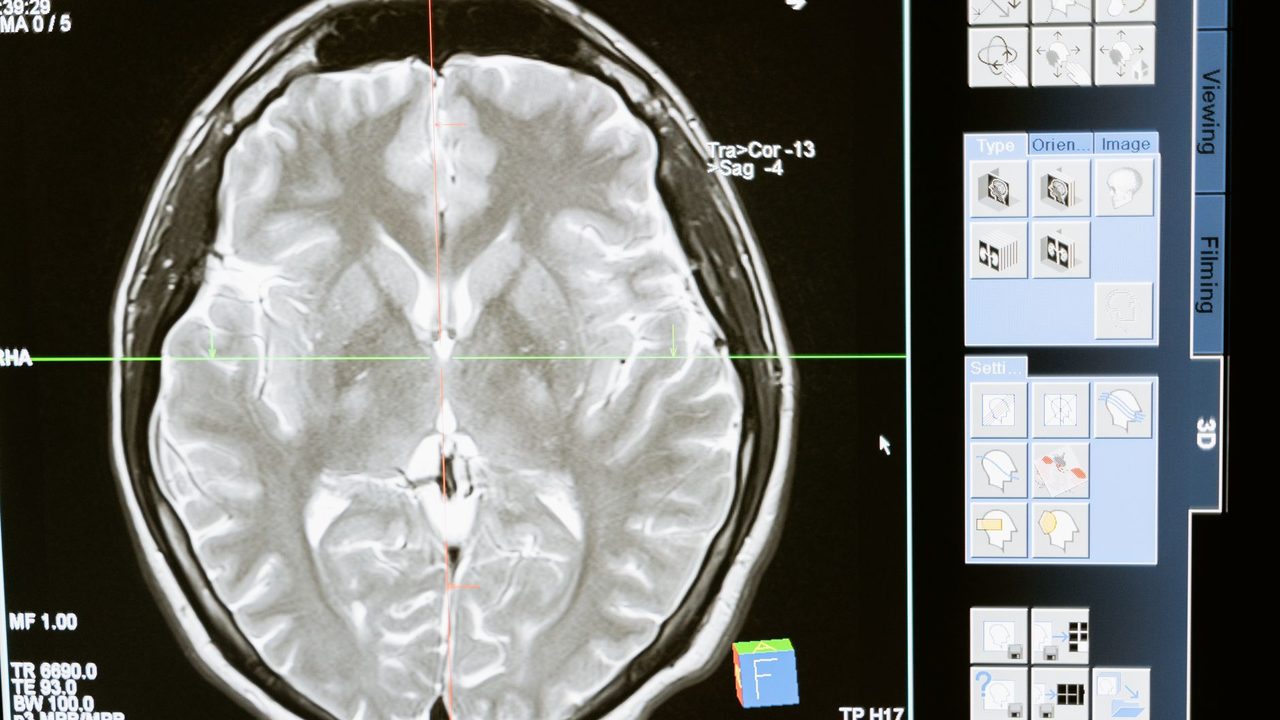
The donated brains came from three groups: 101 people diagnosed with PTSD, 101 with major depressive disorder and 100 with no diagnosed psychiatric disorder. The researchers also had the donors' medical records. They focused on three regions: the prefrontal cortex, which handles planning and decision-making; the amygdala, a major center for processing emotion; and the hippocampus, which is central to memory and learning.
What did they find?
Compared with brains from people without a disorder, those from people with PTSD showed different methylation patterns, especially in the prefrontal cortex. In major depressive disorder, the amygdala stood out instead.
The two conditions also differed in how consistent the changes were. In depression, the altered methylation tended to involve the same set of genes across different brain regions. PTSD showed less consistency in which genes were involved. The patterns in PTSD also appeared to vary with factors such as the person's sex, ethnicity and the age at which they experienced trauma.
“These epigenetic features of the brain are important for shaping the way the brain functions,” co-author Frances Champagne, a psychologist at the University of Texas at Austin, told Live Science.
Why does it matter?
For people living with PTSD and their families, the immediate impact is limited. Seyma Katrinli, an investigator in the Grady Trauma Project at the Emory University School of Medicine, who was not involved in the study, said the findings cannot be used to help diagnose PTSD yet.
She said the longer-term hope is that this line of research could help scientists link changes that can be measured in blood to changes in the brain. If that works, blood tests might one day help guide diagnosis and treatment of PTSD, she suggested. Katrinli described the results as a valuable resource for the field.
The finding that PTSD and depression leave different molecular marks may also matter because the two conditions are often discussed together. The study suggests that, at the level of the brain's chemistry, they are not the same.
What are the limits of the study?
Live Science outlined several caveats. Because the brains were examined after death, the scientists relied on medical reports and could not assess the donors directly.
Both PTSD and major depressive disorder are associated with substance use, which can itself cause DNA methylation. The study did not account for that possible confounding factor.
Perhaps most importantly, the study cannot say what caused the differences. The variations could be a result of PTSD, a risk factor for developing it, or a downstream effect of other things that tend to occur alongside it.
What happens next?
Champagne said the research should help scientists ask better questions. Her team now plans to look at factors that may drive the variation within PTSD, including sex, the timing of traumatic experiences and a history of substance use. She called the work an exciting first step into epigenetic profiling of the brain.
This article is for informational purposes only and is not medical advice.
Around Prague, based on reporting by Live Science