SpaceX Launches Secret Payload for Space Force as Falcon 9 Booster Flies an 11th Time
USD 22,26
Popular
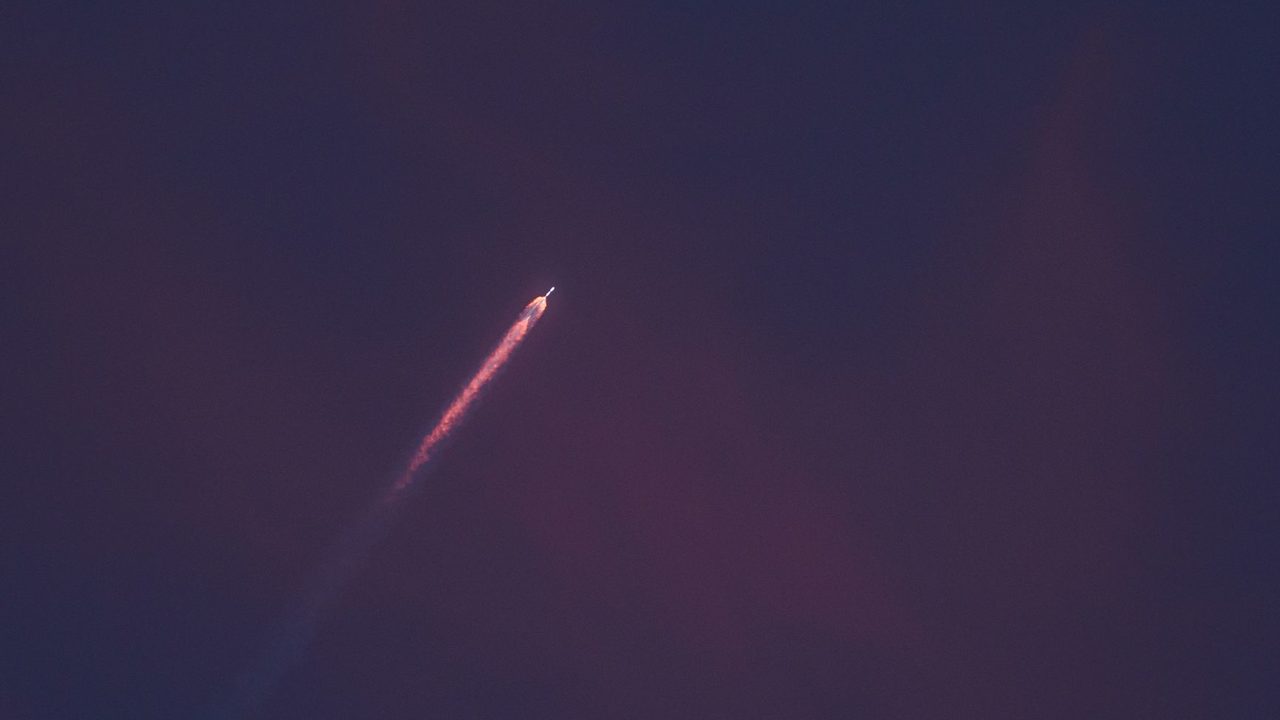
SpaceX launched a classified mission for the U.S. Space Force on Nov. 20, sending an undisclosed payload to orbit from California's central coast, Space.com reported. The rocket's first stage returned safely, but the public did not see the upper stage reach orbit, so what the mission carried remains unconfirmed.
A Falcon 9 rocket lifted off from Vandenberg Space Force Base at 11:20 p.m. EST, which was 8:20 p.m. local California time and 0420 GMT on Nov. 21. The flight was a Space Force mission called USSF-317.
What happened during the flight
According to Space.com, the Falcon 9's first stage came back to Earth about 8.5 minutes after liftoff. It touched down in the Pacific Ocean on the SpaceX drone ship Of Course I Still Love You. The booster, designated B1100, was making its 11th launch and landing.
SpaceX ended its launch webcast shortly after that touchdown. As a result, viewers did not see the rocket's upper stage fire its engines on the way to orbit, Space.com said.
What is known about the payload
Because USSF-317 is classified, the contents of the upper stage and its destination have not been disclosed. Space.com noted that some experts think the rocket may be carrying a batch of SpaceX's Starshield satellites to low Earth orbit. In that scenario, the satellites would support the Space Force's Space Based Sensing and Targeting portfolio, which Space.com described as helping the military keep track of potential targets around the world.
That is an expert guess, not an official statement. Neither the payload nor its orbit has been confirmed in the reporting.
Where the launch fits in SpaceX's year
Space.com counted USSF-317 as the 121st Falcon 9 launch of 2026. It was also the third mission SpaceX has flown for the Space Force so far in November.
Government work is only part of the picture. About 70% of this year's Falcon 9 missions have gone to building SpaceX's Starlink internet constellation in low Earth orbit, which now has more than 11,000 satellites, according to Space.com.
The Falcon 9 has flown at a rapid pace recently. Space.com noted that it launched 165 times in 2025. Even so, the outlet reported that SpaceX plans to retire both the Falcon 9 and the Falcon Heavy in favor of Starship, a fully reusable rocket. On its two most recent test flights, Starship deployed 26 of SpaceX's next-generation Starlink V3 satellites.
Why it matters
For most readers, the launch shows how much of the country's military space activity now runs on commercial rockets. A single company flew three Space Force missions in one month, while most of its own launches continued to serve its commercial internet network.
It also shows how routine reuse has become. A booster flying for the 11th time and landing on a ship at sea was a standard part of this mission, not a headline feature of it.
What the payload does will probably stay out of public view. The Space Force has not described it, and the available reporting rests on outside experts' views and on what could be seen of the launch itself. Details about USSF-317 may emerge later, but none had been disclosed as of the Space.com report.
The reporting also points to a coming change in how these missions are flown. If SpaceX follows through on its plans, the Falcon 9 that carried USSF-317 would eventually give way to Starship, which the company is still testing.
Around Prague, based on reporting by Space.com