Rare Oil Beetle Is Breeding Again in Wales After Decades Missing
USD 21,81
Popular
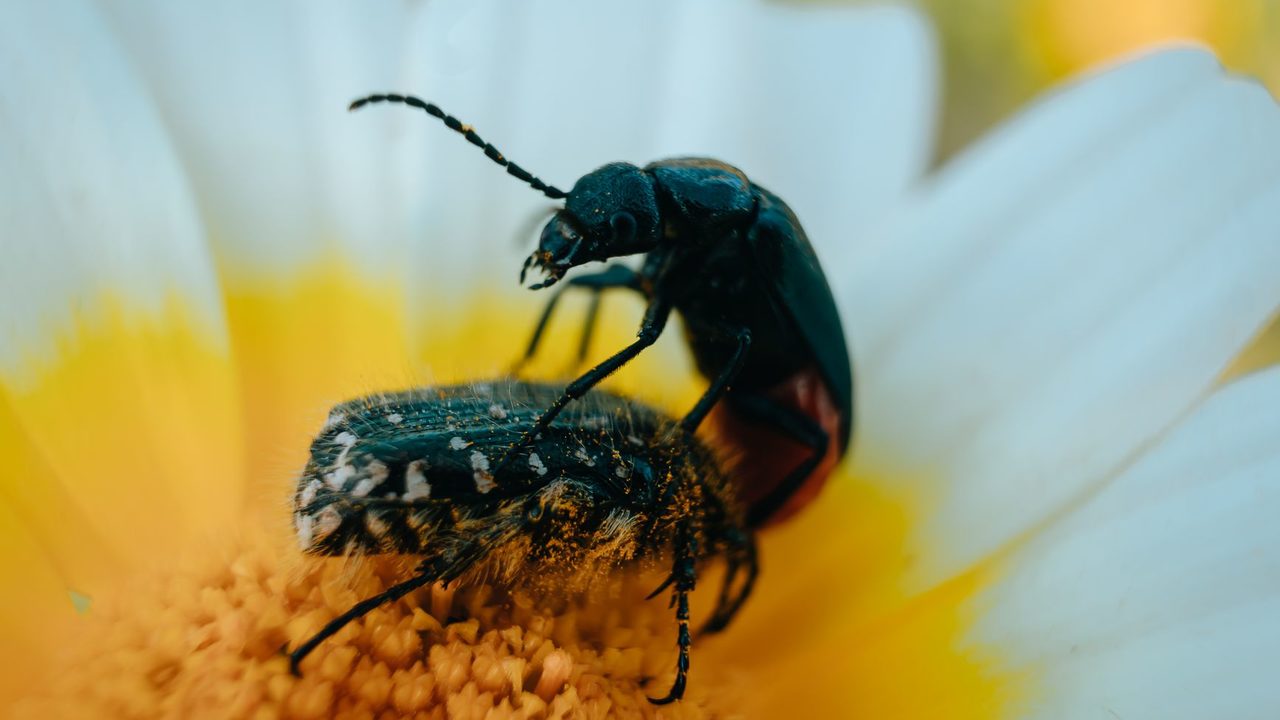
A rare insect that had vanished from Wales for 60 years appears to be breeding there again. Conservationists found larvae of the short-necked oil beetle in Pembrokeshire, the BBC reported.
The discovery came after three years of searching at Castlemartin Range, and it follows a worrying result the year before, when surveyors found only dead adults.
What exactly was found?
Experts discovered beetle larvae on a small area of the Castlemartin site this year. According to the BBC, the finding suggests surveyors located some of the hatchlings from a larger batch of immature beetles. Natural Resources Wales (NRW) said the number and distribution of the larvae supported that interpretation.
Why was the news in doubt until now?
Last year's survey at Castlemartin turned up only dead adults of this beetle, which raised concerns about the species' future on the site. Anne Hobbs of the Bumblebee Conservation Trust said the evidence now points to breeding in Wales again, calling that development “very exciting.” She also thanked partners and volunteers for their continued support despite two years without a larval sighting.
What kind of insect is it?
The short-necked oil beetle depends on solitary bees for its life cycle. It also needs a specific habitat, with thick vegetation for shelter and dense flower coverage both essential. Adults can grow up to 24mm (0.9in) long and live for about one year.
The beetles are usually seen from March to June in flower-rich coastal grassland and sand dune habitat, and they are most active on warm, sunny days. NRW said these requirements mean only a handful of suitable sites exist in the UK.
How rare is it?
The species is classed as nationally rare within Great Britain and is listed as vulnerable on the IUCN Red List. The BBC reported that it was not recorded in the UK for almost 60 years after 1948, when habitat loss brought it to the brink of extinction.
It was rediscovered in Devon in 2006 and on the Isle of Coll in Scotland in 2009. Populations have since been found on Tiree, Islay, Barra and Uist. Castlemartin Range is currently the only place in Wales where the beetle can be found, and conservationists survey it consistently.
Why does it matter?
A species that was missing from a whole country is now showing signs of reproducing there, which gives conservationists a foothold to build on. Because the beetle needs both solitary bees and flower-rich coastal habitat, protecting it also means protecting the other wildlife that shares those places.
NRW said the work is part of Wales's flagship species recovery programme, which aims to conserve the beetle along with other species living in similar habitats. Hobbs said conservation efforts need to consider the needs of several species to be effective.
What happens next?
Surveys at Castlemartin are set to continue. Hobbs said she looks forward to continued management of the site so the beetle can survive into the future.
Around Prague, based on reporting by BBC News