Dublin Zoo Spent €15,000 to Restore Sight in a Hippo's Left Eye
USD 22,26
Popular
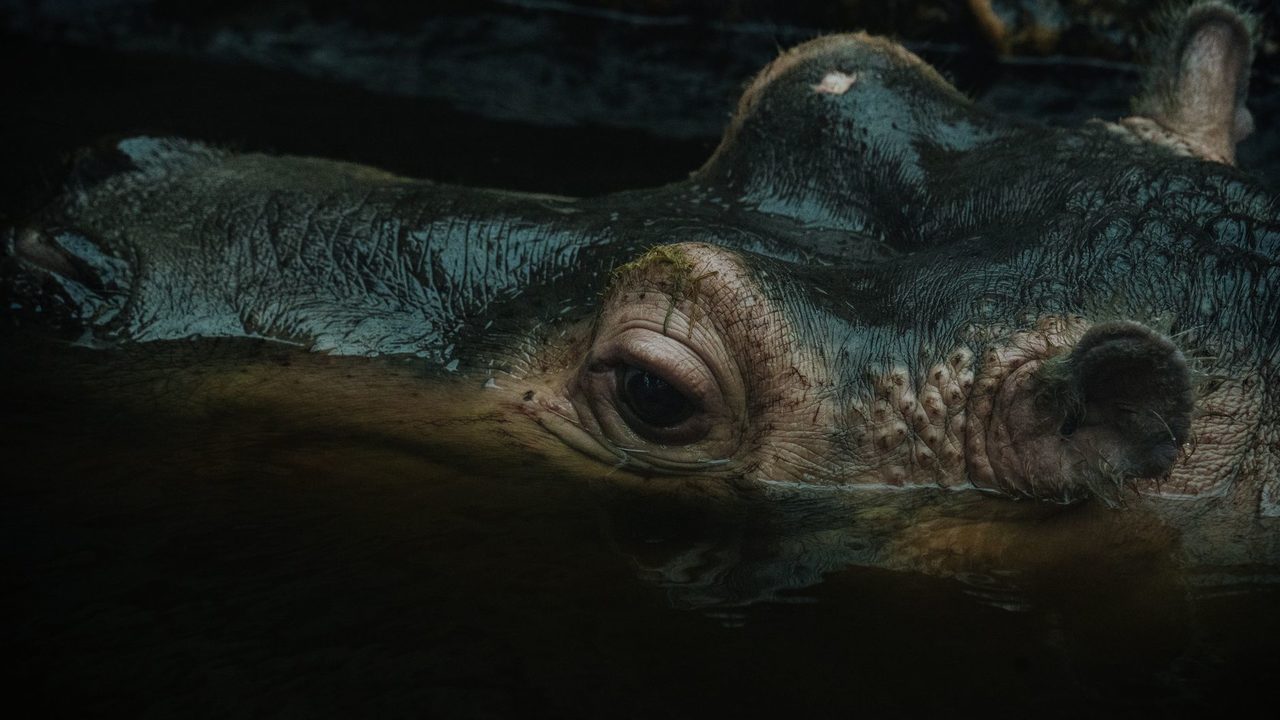
Dublin Zoo in Ireland has confirmed it spent about €15,000 on a cataract operation for Imani, its 18-year-old common hippopotamus, according to The Irish Times and TheJournal.ie. The surgery is believed to be the first recorded cataract operation on a common hippo anywhere in the world, and it restored vision in her left eye last year.
The operation could not save her right eye. A zoo spokesperson said the procedure on the left eye brought a “marked improvement in her confidence, movement and overall quality of life.”
The key numbers behind Imani's surgery
- About €15,000: what the zoo spent on the cataract procedure, as reported by The Irish Times.
- 18 years: Imani's age.
- €11.27 million: the zoo's total spending last year on specialized animal care, covering feed, veterinary care, grounds staff and depreciation of facilities.
- 31 mammal species and 14 reptile species: the animal population at the zoo at year end.
- Left eye saved, right eye not: the result of the operation.
How the zoo prepared
The procedure followed months of preparation by the zoo's animal care and veterinary teams, who worked alongside outside specialists. New weighing scales were installed so staff could measure Imani's weight exactly and prepare the right doses of anesthetic.
The zoo said the surgery and the groundwork behind it reflect its commitment to investing in innovative, world-leading animal welfare. The cataract operation was one of scores of welfare initiatives the zoo carried out, according to its annual report.
Other welfare projects in the annual report
The same report describes several other efforts. Keepers tried to pair a new female Amur tiger, Luda, with a male Amur tiger, Max. Amur tigers are also known as Siberian tigers. Luda arrived from Copenhagen Zoo and was briefly introduced to Max in November, but the two were quickly separated because of aggression from Max. The report says efforts toward a successful introduction are continuing.
The zoo also began a pilot project with L'Oceanogràfic in Valencia, in which an elephant named Aung Bo, Luda and Imani were fitted with monitoring bracelets on their front legs. The bracelets contain an accelerometer, similar to a Fitbit, so their movements and behavior can be tracked continuously. The data is meant to help the team assess activity levels and guide care decisions.
The report also notes that Chilean flamingos laid eggs for the first time in at least five years. The eggs were lost after the group was disturbed, but the report treats the egg-laying as a positive step toward future breeding success.
Why it matters
The figures put the cost of the operation in context: €15,000 was a small fraction of the €11.27 million the zoo spent on animal care in a year. For visitors and for the public that supports zoos, the story shows what a zoo's care budget can cover beyond food and routine veterinary work, including one-off procedures for individual animals.
It also shows how the zoo is using technology and outside expertise, from specialist surgeons to wearable trackers, to monitor and improve the health of animals in its care. Imani's case is reported as a first for her species.
Around Prague, based on reporting by The Irish Times, TheJournal.ie