Scientists hope AI can bring lost birdsong back to wild birds
USD 21,73
Popular
Researchers are studying how artificial intelligence could help birds recover songs they have lost. Where populations have shrunk sharply, there is no one left to teach chicks to sing, and scientists hope that synthetic recordings can stand in for living tutors.
Why birds sing
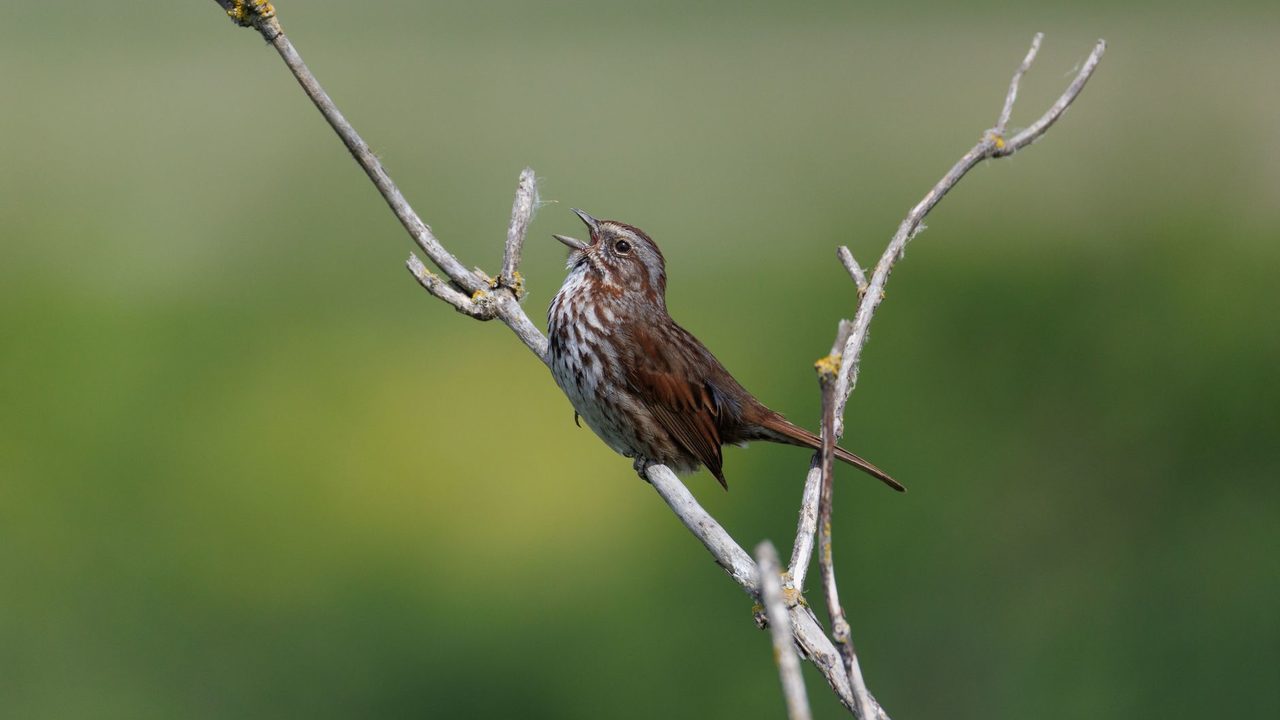
Song is used not only to communicate but also to defend territory and attract a mate. Males with higher-quality songs gain an advantage during courtship: a good performance is generally a complex song that a male delivers consistently and cleanly. According to specialists, this shows that he is in excellent physical condition.
When a population declines, young birds have fewer chances to hear adults. They may start to sing unusually or pick up the melodies of other species. There are roughly 10,000 bird species in the world, and about 4,000 of them are songbirds. Their singing is mostly passed on through learning, and individual populations develop their own local variants and dialects, which matter when choosing a partner.
What field examples show
Conservationists moved cirl buntings from Devon in England to Cornwall. At first the birds sang more slowly, in thinner and less varied tones than the original population, but after eight years their song had returned to normal. Some of the chicks listened to recordings of their own species' song, others did not.
Another example comes from Australia, where scientists helped critically endangered regent honeyeaters. Only about 250 birds are left in the wild. Birds raised in zoos learned the natural song through contact with two males born in the wild. The males who mastered the original song then passed it on to the next generation.
Why AI is needed
Experts say that playing recordings alone is not always enough: some species also need live interaction in order to learn. Moving wild birds into captivity to teach their chicks can stress the animals and raise the risk of spreading disease. Artificial intelligence could one day offer an alternative and teach young birds to sing without such contact.
Researchers also stress the importance of systematically recording birdsong. Recordings made by scientists and nature watchers can preserve information about local dialects that would otherwise vanish for good as populations decline.
Source: ekolist.cz