Rosebank oil field: why nearly 100 Labour MPs oppose approval
USD 22,28
Popular
Nearly 100 Labour MPs, among them ministerial aides, have written to the prime minister, Andy Burnham, urging the government not to approve the Rosebank oil field off Shetland. The BBC reported that the letter carries 92 signatures and that junior resignations are possible if the project goes ahead, which makes it the clearest sign yet of a split inside the party.
The decision rests formally with Energy Secretary Miatta Fahnbulleh, and the government has not said when she will make it. The BBC said some opposition figures expect it in mid-December, while one of the companies with a stake in the project has said it expects a decision by the end of the year.
What the Labour MPs are saying
According to the Guardian, as cited by the Independent, the signatories are 92 backbenchers and at least four frontbenchers. Their letter says approval would “permanently damage” the party’s climate credentials, and argues that it could alienate voters Labour needs to win parliamentary majorities. The MPs also pointed to the collapse of the Cop31 climate talks in Turkey last week, saying the UK should be careful about the signal it sends to other countries about moving away from fossil fuels.
They cast doubt on the financial case as well, calling Rosebank “not a serious revenue raising measure” and saying it would provide less than 0.1 per cent of annual UK tax revenue. Catherine Fookes, the MP who organised the letter, said the oil belongs to private companies and would be sold abroad to the highest bidder, so it would not lower her constituents’ energy bills.
The BBC spoke to several ministerial aides before the letter was sent. Some said they were weighing their positions, while others said they opposed the field but would stay in post if it were approved.
What backers of Rosebank argue
Supporters say approval would give the economy a boost, with the Independent noting the importance of jobs, particularly in the north east of Scotland. The Conservatives say it would strengthen energy security, and the BBC reported that trade union sources have suggested rejection could put existing investment in the North Sea at risk.
The government has said oil and gas will remain part of the energy mix for many years. According to the BBC, the chancellor, John Healey, has let it be known that he would like to see the project approved, and the prime minister has repeatedly said he wants a pragmatic approach to North Sea oil and gas. The Guardian, as cited by the Independent, reported that Ms Fahnbulleh is believed to be leaning towards rejection.
A spokesperson for the Department for Energy Security and Net Zero said any decision would be made through a quasi-judicial process that takes account of all relevant evidence, including environmental assessments and public representations.
Why it matters for bills and politics
The question of energy bills sits at the centre of the argument. The BBC reported that the energy secretary has said approval would not ease immediate cost of living pressures, because oil is traded internationally. Polling reported by the Independent last week found that 52 per cent of people support approving Rosebank and 19 per cent oppose it. Among the 35 per cent who believe approval would lower their bills, 73 per cent back it and 10 per cent are opposed. Among everyone else, support falls to 41 per cent and opposition rises to 23 per cent.
Rosebank would also be more polluting than Jackdaw, the gas field approved last month, according to the BBC. Labour’s 2024 manifesto pledged not to issue new licences to explore new fields, but also promised to honour existing ones. The Rosebank licence was granted by the Conservative government in 2023, and the Court of Session in Edinburgh ruled last year that the approval was unlawful, leaving the current government to take a fresh decision.
What happens next
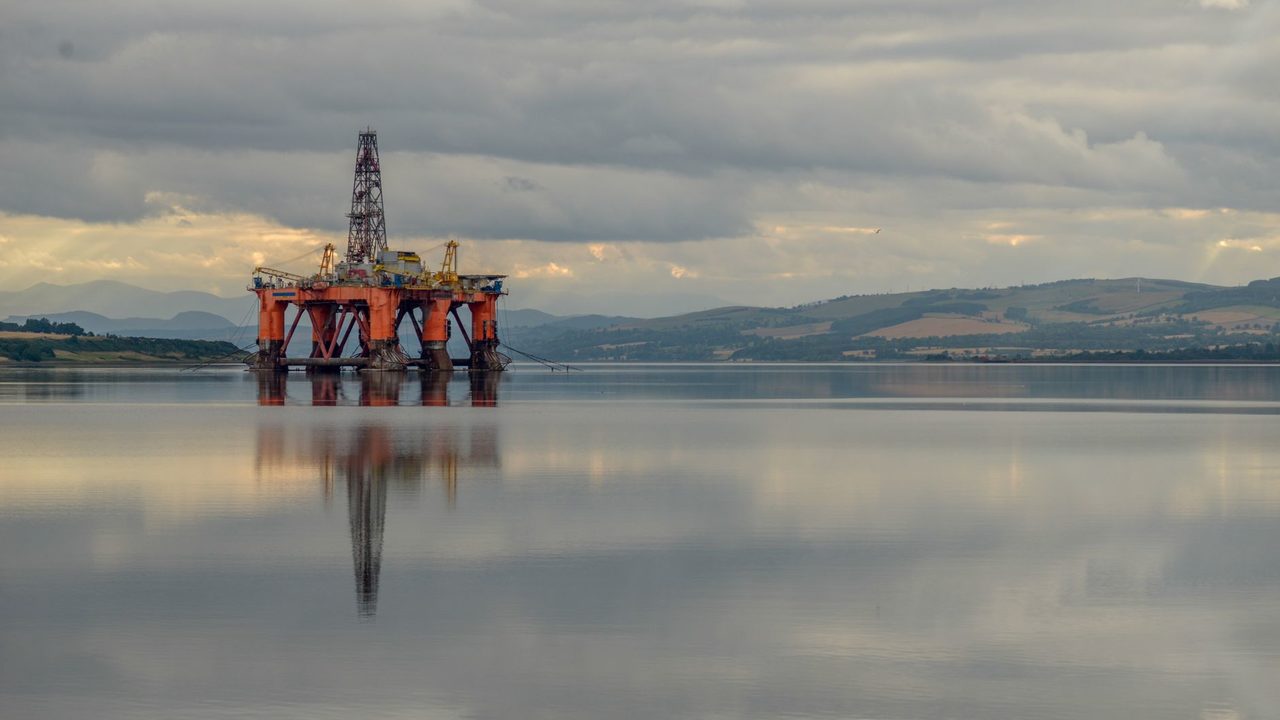
No date has been set. The BBC said the outcome is hard to read, with MPs hearing conflicting predictions, and that senior ministers appear to have toned down public support as the decision nears, partly to avoid giving grounds for a legal challenge. The Independent reported that the field is 80 miles north west of Shetland and that the divisions in the ministerial team are said to run deeper than the letter suggests. The BBC added that a decision either way is likely to be controversial.
Read next
Why the UK Now Blames Iran’s Revolutionary Guard for the RAF Fairford Incident
UK Budget Day: The Numbers Behind a Modest Plan on Bills, Defense and Taxes
Barnham Referendum: Why Villagers Are Voting to 'Leave the UK' Over a Migrant Camp
Around Prague, based on reporting by BBC News, The Independent