UK Budget Day: The Numbers Behind a Modest Plan on Bills, Defense and Taxes
USD 21,83
Popular
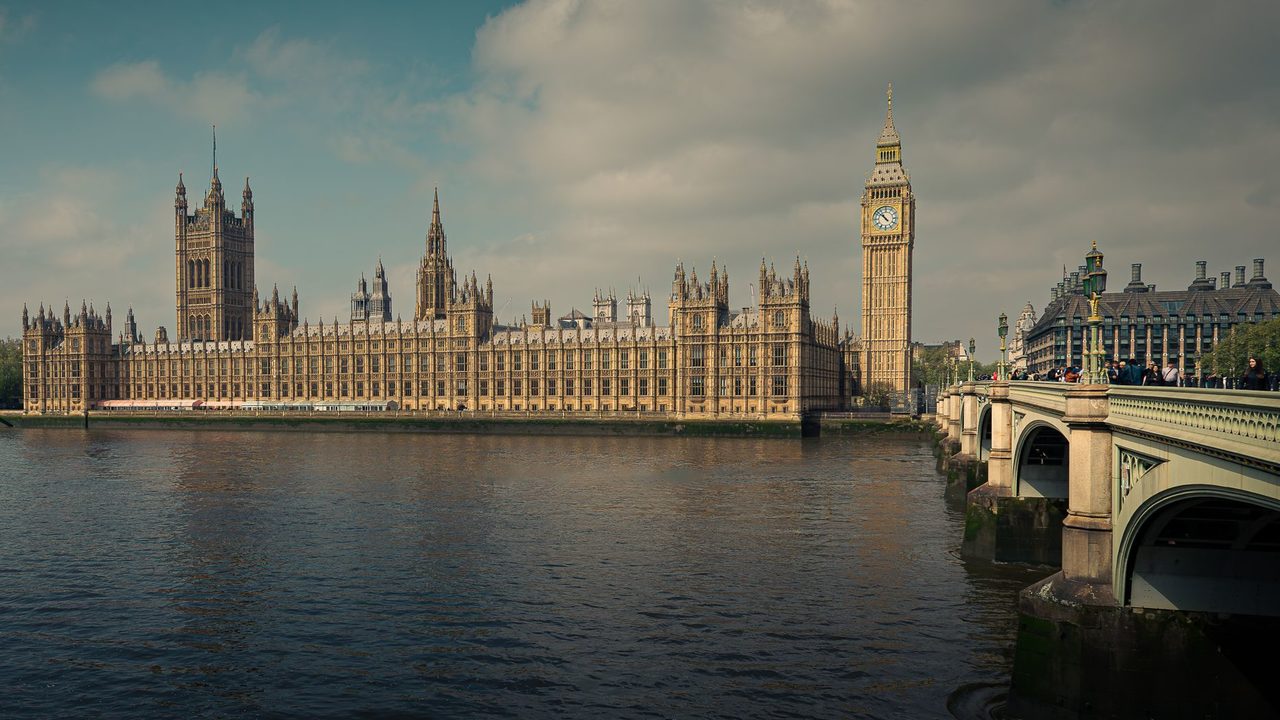
British Chancellor John Healey is set to present the first budget of Prime Minister Andy Burnham's government to Parliament on Wednesday at 12:30 p.m. GMT. The Guardian reported that the Treasury has been at pains to describe it as low-key, with relief for low- and middle-income households at its center.
Healey has billed the plan, according to the Guardian, as “breathing space for today, fresh hope for the future.” Al Jazeera reported that the budget comes amid a rising cost-of-living crisis, with energy bills expected to see their biggest rise in four years in January because of the conflict in the Middle East.
The central numbers
- £3 trillion: total UK borrowing passed this level for the first time in September, according to Al Jazeera.
- £100 billion: what the country already spends each year just to service that debt.
- £298 billion: the investment behind the defense plan announced in June. The Guardian reported that Healey aims to close a £4.7 billion funding gap in it, with cuts to other departments likely to pay for it.
- 2.6 percent: the share of GDP Britain spends on defense, against NATO commitments of 3 percent by 2030 and 3.5 percent by 2035 that Burnham said are included in the plan.
- £2 billion and £1 billion: the BBC reported that changing a 2023 surcharge on banks would raise about £2 billion, and Al Jazeera said a crackdown on foreign online sellers who avoid VAT could raise as much as £1 billion.
- £2,833 to £4,345: the rise in average household arrears debt among clients of the debt charity StepChange between 2022 and 2025.
What is behind them
The figures explain why expectations are modest. Al Jazeera reported that UK inflation and government borrowing both hit their highest levels in a year last week. According to the Office for National Statistics, borrowing was nearly £25 billion in September alone, higher than the Office for Budget Responsibility forecast for the financial year to date.
The Guardian said Healey has rejected calls to raise capital gains tax or lower the mansion tax and has promised to stick to Labour's fiscal rules. Gregory Thwaites, interim chief economist at the Resolution Foundation, told Al Jazeera he expects a relatively small budget, with some action on living costs and most big decisions postponed to next year. Helen Miller, director of the Institute for Fiscal Studies, said in a media release that staying the course with inherited plans would let inflation blow departments' spending plans off course.
On taxes, the budget is also expected to bring new levies on banks and on online marketplaces such as Amazon, Temu and eBay, plus more funding for mayoralties and local authorities. Al Jazeera noted that the four biggest banks made about £15 billion in profits in the first six months of this year, and that trade unions are calling for higher taxes on those earnings, the BBC reported.
Why it matters for households
The Guardian reported that the package is expected to include support for poorer families with energy bills this winter and a pledge of energy market reforms aimed at lowering bills for all households over the longer term. Healey has also been considering making the warm homes discount, a £150 annual cut to electricity bills for people receiving benefits, more generous. It would not reach households that do not receive benefits, even if they are struggling.
StepChange told the Guardian that one in two of its clients now has energy debt, a pressure it described as completely new. The government is also expected to abolish a rule that has pushed unpaid carers into debt. At the same time, it was criticized for pausing the process of bringing the lower minimum wage for workers under 21 in line with the national living wage paid to older workers.
Healey has said the budget will move “money and power out of Westminster and into every postcode around Britain,” according to Al Jazeera.
Around Prague, based on reporting by The Guardian, Al Jazeera